7 Words That Can Restore Trust in Philanthropy
The language nonprofits use can push people away. Here’s how to invite them in and build connection.

By Matt Watkins
Contributor
September 24, 2025 | Read Time: 5 minutes
This week, the Chronicle of Philanthropy launches a new monthly opinion column — “Watch Your Language” — that aims to help nonprofit professionals reduce jargon and communicate in ways that build trust and understanding of the sector.
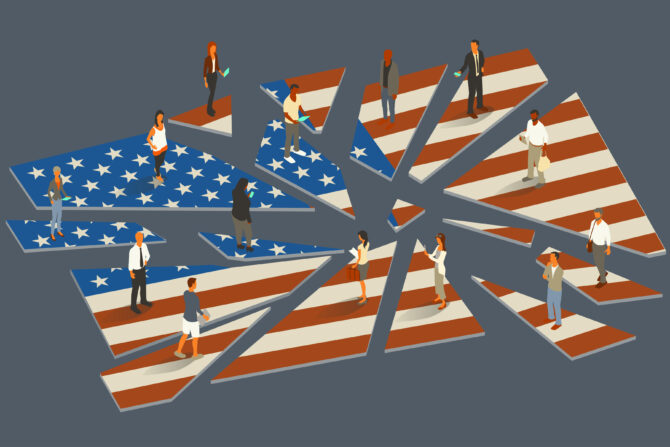
People don’t trust what they don’t understand. And in a country where trust is unraveling, too much nonprofit language feels like being stuck in a conversation in which everyone but you know the code.
Related Content

Nonprofits help people put food on the table, keep a roof over their heads, care for their families, and find support when no one else shows up. They step in when systems fail and build trust by standing with communities through crisis and change. But for too long, nonprofit and philanthropic work has sounded distant and exclusionary.
If you’ve read my previous op-eds in the Chronicle of Philanthropy, you know that addressing the disconnect between language and intent is a passion for me. That passion stems from an unconventional childhood spent moving through very different worlds — across race, class, and community lines. Words carried different meanings in each and could determine who belonged, who was respected, and who was ignored. As an adult, I’ve devoted my career to changing conditions in the kinds of places where I grew up. Understanding the language and codes that make sense to people in those communities is crucial to that work.
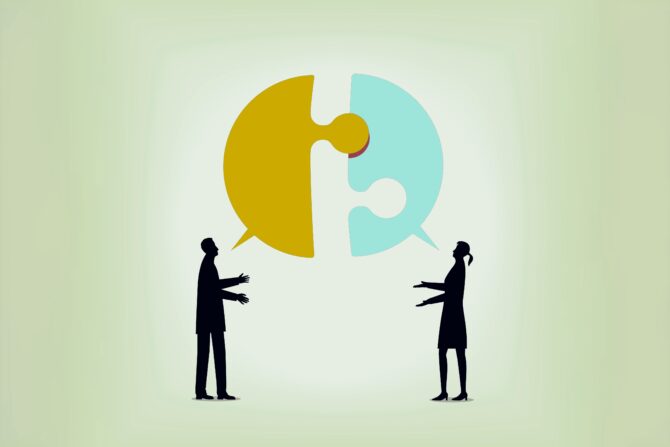
With the launch today of my new column — “Watch Your Language” — I hope to help erase the barriers caused by the words we use. My goal is to bring the nonprofit sector’s language in line with its real-world actions and impact. I’ll regularly highlight words that turn clear and simple ideas into what I call distortion triggers: language that signals professionalism but severs connection.
Words That Work
To start off, I’m devoting this first column to seven words that do work — that invite people in, rather than push them away. Adopting these words widely is one important step toward restoring trust in the nonprofit sector and the nation’s civic institutions.
Family. Regardless of how people define the word in their own lives, “family” evokes feelings of belonging, responsibility, and emotional urgency across different backgrounds and beliefs. It carries meaning without explanation. When nonprofits frame their work around supporting families, they translate policy into something personal. It tells people the work is about real lives, not abstract goals, making the mission legible and immediate.

Community. Embodying the notion of connection and shared responsibility, “community” resonates for most people whether it describes a neighborhood, faith circle, or group chat check-in after a destructive storm. Unlike terms such as “target population” or “program participants,” community provides beneficiaries a place inside the work. It names them not as subjects but as participants and co-owners. It conveys that the outcome belongs to all of us.
Fairness. One of the most universally understood moral concepts, “fairness” signals balance, decency, and the expectation that people should be treated with respect and given a real chance. It speaks to instincts shaped early in life: Follow the rules, do your part, and don’t game the system. Even when people disagree on what fairness looks like, they rarely reject the idea itself. Fairness allows us to talk about justice in ways that invite dialogue rather than defensiveness. It connects across difference because it feels both familiar and right.
Dignity. While people define “dignity” differently — in terms of faith, work, or care — they recognize its fundamental meaning: being seen as fully human. Dignity is felt when people are listened to — and its absence is equally felt when they are ignored. When nonprofits put dignity at the center, they move the conversation from what people lack to what they deserve. It reframes the work not as charity but as justice.
Safety. Rather than an abstract value, “safety” is a felt condition. It’s knowing your child will make it home, that the water is clean, that no one is coming through the door with bad intent. People may name different threats — violence, poverty, illness, instability — but the need for safety is constant. It crosses politics, geography, and experience. When organizations lead with safety, they create space for dialogue before debate and engender trust. It allows people to stay in the conversation because they understand what’s at stake.
Respect. Across communities and cultures, “respect” signals that someone’s presence matters, that their voice carries weight. In public meetings, neighborhood coalitions, and cross-racial dialogues, it’s often the unspoken requirement beneath every conversation. People know when respect is missing. When it’s present, they respond. Respect is not about agreement — it’s about recognition.
Service. In a sector that often reaches for the language of innovation and scale, “service” brings the work back to its purpose. By conveying concepts of humility, commitment, and care, service reminds us that being useful is enough. Service happens when someone feeds families, organizes tenants, or helps a neighbor navigate a system not built for them. Framing the work as service does not minimize its complexity. It honors its intent. It tells the truth about who this is for and why it matters.
These seven words aren’t magic. They’re simply honest. If nonprofits want to rebuild trust in their work and the causes they champion, they need to speak to the public — not just to funders or each other. Words decide who feels welcome and who walks away. The question isn’t whether our language sounds smart. It’s whether people believe us. Say what you mean. Say it so people know it’s for them. That’s how trust begins.