

3 Charity Groups Chosen for Grants to Spur Collaboration
Each group of charities—in Buffalo, N.Y., San Diego, Calif., and Puerto Rico—will receive $1.9-million from the Open Society Foundations to focus on addiction treatment, criminal justice, and other problems.

By Doug Donovan
Contributor
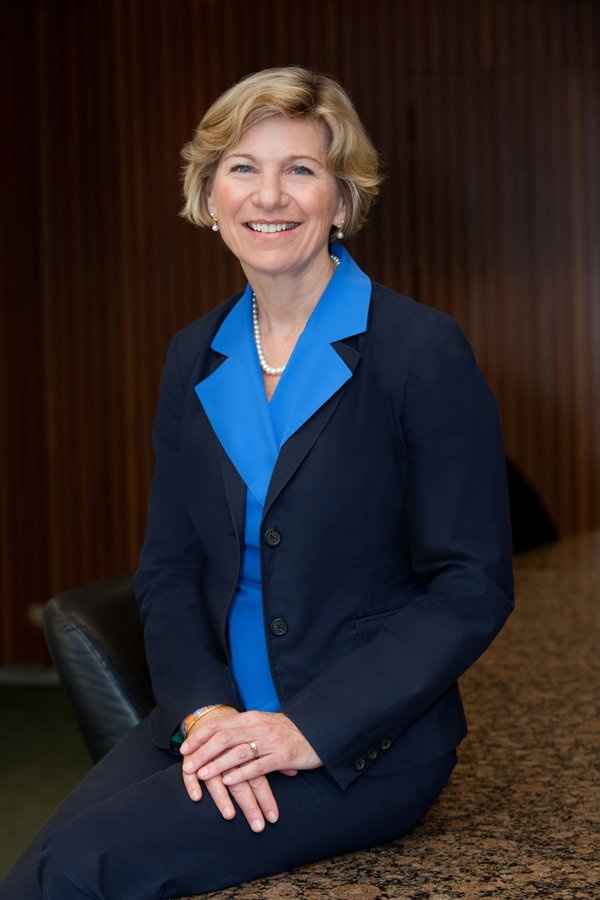
Gates Picks an Oncologist as Its New Leader, the First Chief Executive Not From Microsoft
Susan Desmond-Hellmann, who is leaving the University of California at San Francisco to join the world’s richest philanthropy, helped lead development of two early gene-targeted therapies for cancer.
By Doug Donovan
Contributor
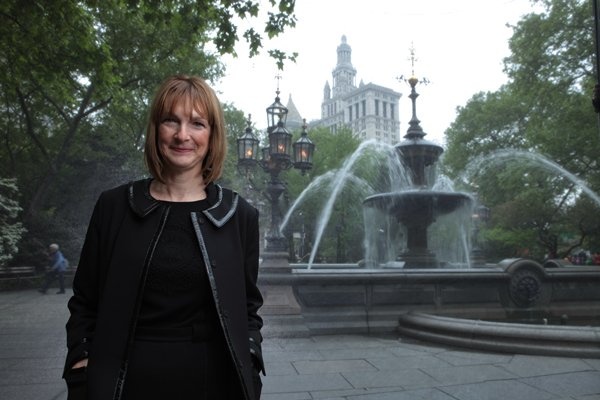
New Breed of CEOs Is Poised to Reshape Philanthropy in 2014
Compared to the leaders of America’s wealthiest foundations a decade ago, today’s new hires are much more likely to be gay, black, or female and to come from modest backgrounds.
By Doug Donovan
Contributor
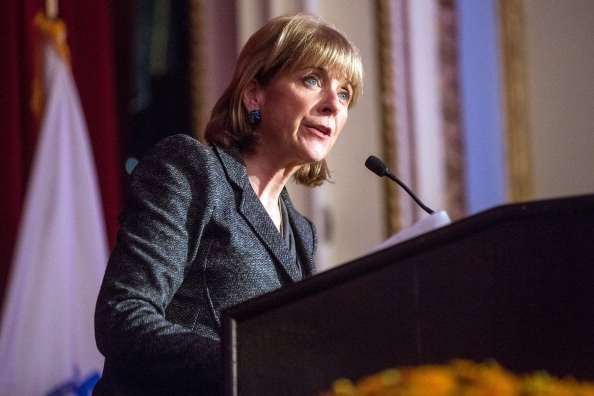
Mass. Attorney General Calls for More Data on CEO Pay
State Attorney General Martha Coakley wants groups to make information available much more quickly than they do now.
By Doug Donovan
Contributor
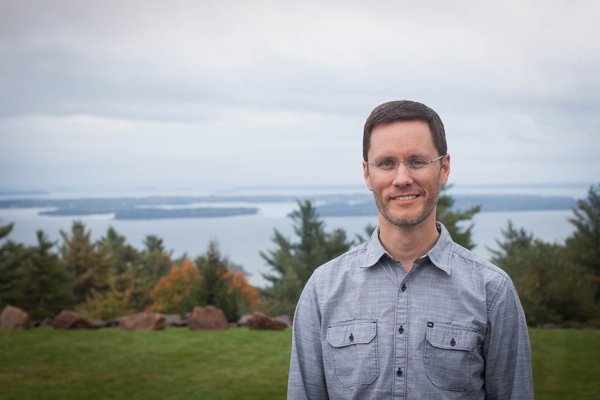
These eight nonprofit leaders are poised to make strides in tackling the gender gap in technology jobs, spreading better ways to evaluate charity work and use data, and more.
By CODY SWITZER, NICOLE WALLACE and Doug Donovan

5 Groups With Big Challenges in the Year Ahead
Scandals and divisive social issues threaten the vitality of several of the nation’s most prominent nonprofits.
By Doug Donovan
Contributor
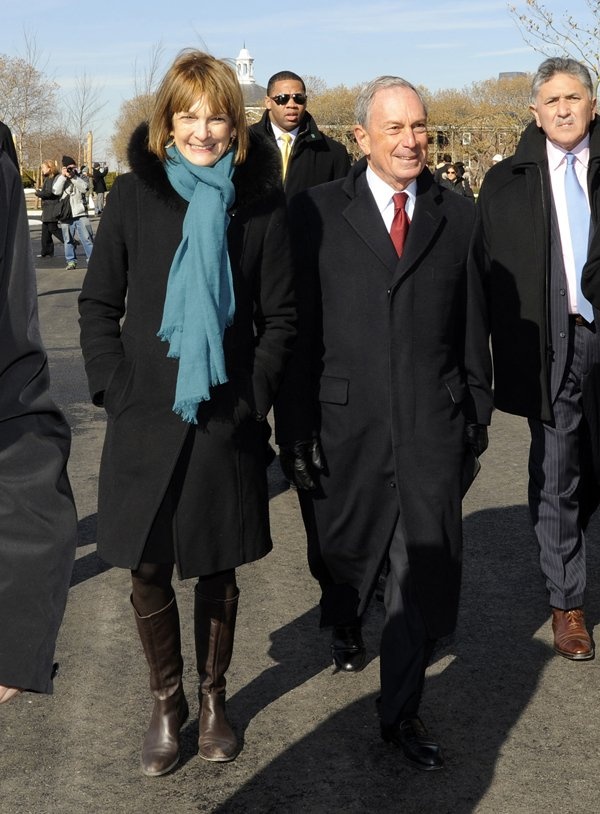
The Gates, Ford, and Bloomberg foundations are among major philanthropic organizations likely to show shifts in direction in 2014.
By Doug Donovan
Contributor
New Gates Leader Brings Science and Education Background to Job
Susan Desmond-Hellmann, who is leaving the University of California at San Francisco, was instrumental in developing two of the first gene-targeted therapies for cancer.
By Doug Donovan
Contributor
Gates Foundation Names Calif. University Official as CEO
Susan Desmond-Hellmann, an oncologist at the University of California at San Francisco, is the first chief executive the foundation has hired from outside the company founded by Bill Gates.
By Doug Donovan
Contributor
Government Gridlock and Spending Cuts Prevent Social Progress, Say Grant Makers
Researchers said they were surprised at how much foundation leaders saw external factors as the greatest barriers to their effectiveness in solving social problems.
By Doug Donovan
Contributor