A Chance to Play and Build Ties in a Refugee Camp

By Emily Haynes
Senior Editor, Nonprofit Intelligence
March 31, 2020 | Read Time: 2 minutes
The Kalobeyei Refugee Settlement in northern Kenya is an ad hoc community of 35,000 refugees who have fled 35 countries, worship 61 religious denominations, and speak a slew of languages. “There’s so many young people there, and there is nothing to do,” says Charlotte Jongejan, a board member and marketer at the Klabu Foundation.
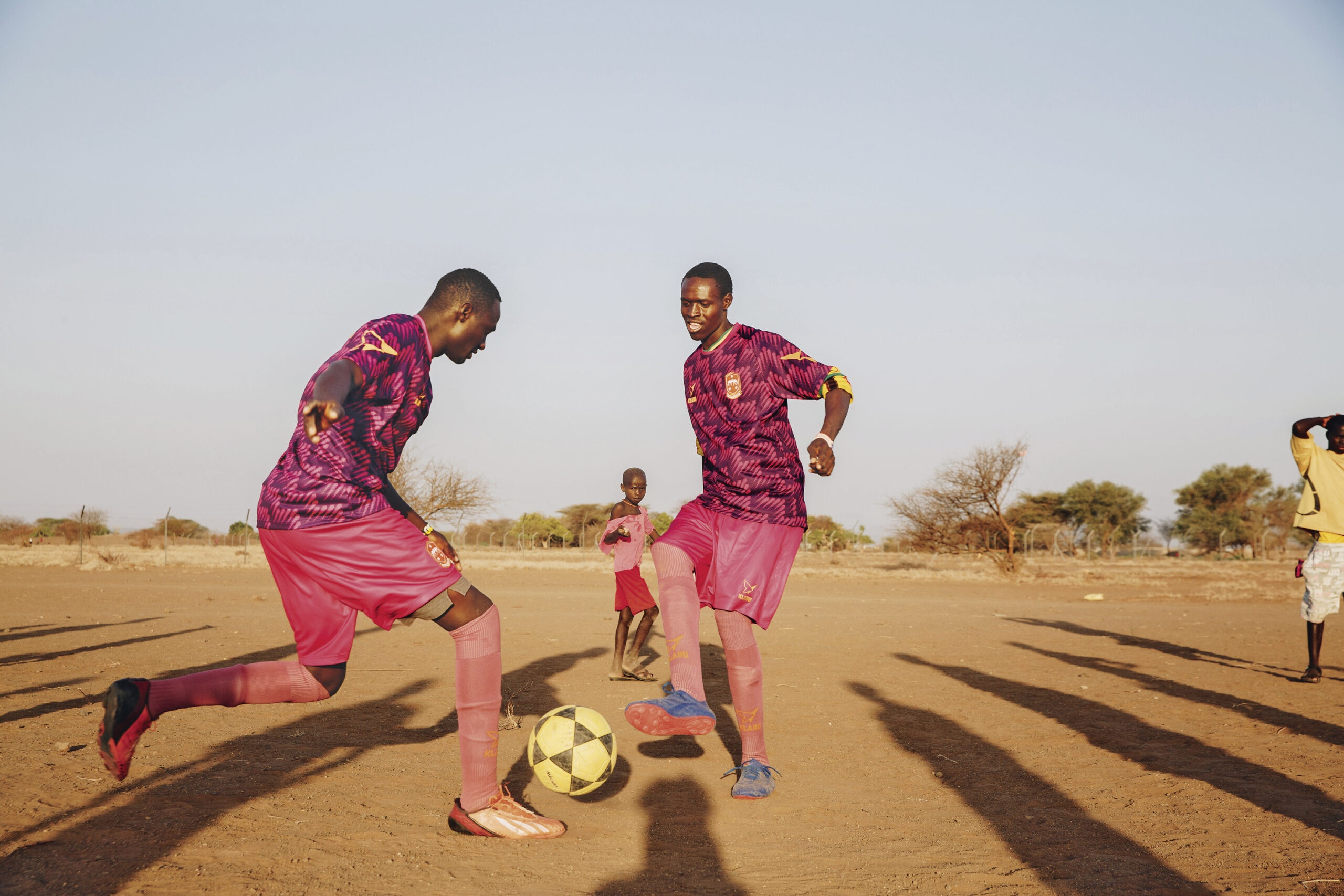
Last May, the Amsterdam nonprofit opened its first sports clubhouse in Kalobeyei to help refugees form bonds, find purpose, and learn leadership skills. “Lethargy and restlessness are two of the main drivers of unrest, violence, and really a downward spiral that we saw when we were in these camps across the African continent,” Jongejan says.
The foundation spent three years building relationships with nonprofits in the region to get access to the camps and surveyed refugees about their favorite sports, athletic-equipment needs, and how a sports club could endure both the harsh conditions and sometimes-fractious environment of Kalobeyei.
A typical refugee spends 17 years in a camp, so Klabu wanted to make programs that would not only last but also sustain themselves. “The refugees themselves came up with a system of the sports library,” says Jongejan. Each clubhouse now has a limited quantity of equipment like soccer balls, volleyballs, and basketballs that athletes can rent for a modest fee.
Klabu also employs community members as guards to make sure no one steals the equipment overnight. It also funds tournaments for the local teams, which are composed entirely of refugees and coached by refugees.
Athletics offer a special opportunity for women in the camp, who often shoulder weighty expectations, like marriage or assisting their families in child care, Jongejan says. “Sport is a way for them to really just focus on themselves and to stay fit and to make new friends, to become a leader, in a way, and to really build that sense of confidence and independence.”