Charity Navigator Founder Hands Control to Tech-Savvy Successor

By Eden Stiffman
Senior Editor
June 23, 2016 | Read Time: 3 minutes
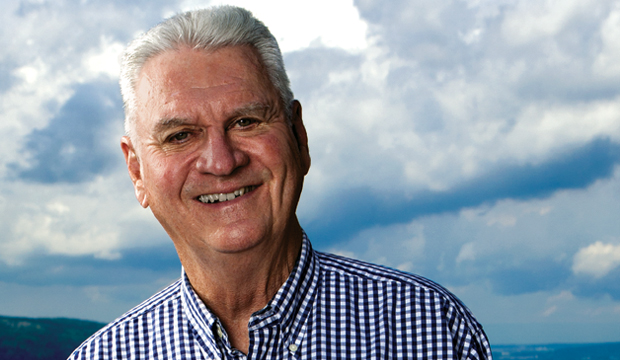
John (Pat) Dugan came into wealth abruptly in 1998 when his pharmaceutical-sales company, PDI, went public. He had always been interested in philanthropy, and almost overnight he was flush with millions of dollars burning a hole in his pocket. But charity scandals at places like United Way and Covenant House made him cautious.
“I really didn’t want to throw money down the rat hole,” he said.
Setting out to research groups on his own, he was disheartened. “Nothing really existed that met my needs to reassure me that the money was going to be well taken care of,” he said.
To fill that void, he founded Charity Navigator, today the most prominent — and controversial — charity watchdog.
This week Mr. Dugan retired from his role as board chairman. He believes the nonprofit field is a better place for donors than when he founded the organization in 2001 with the intent of providing objective charity data to help guide giving decisions.
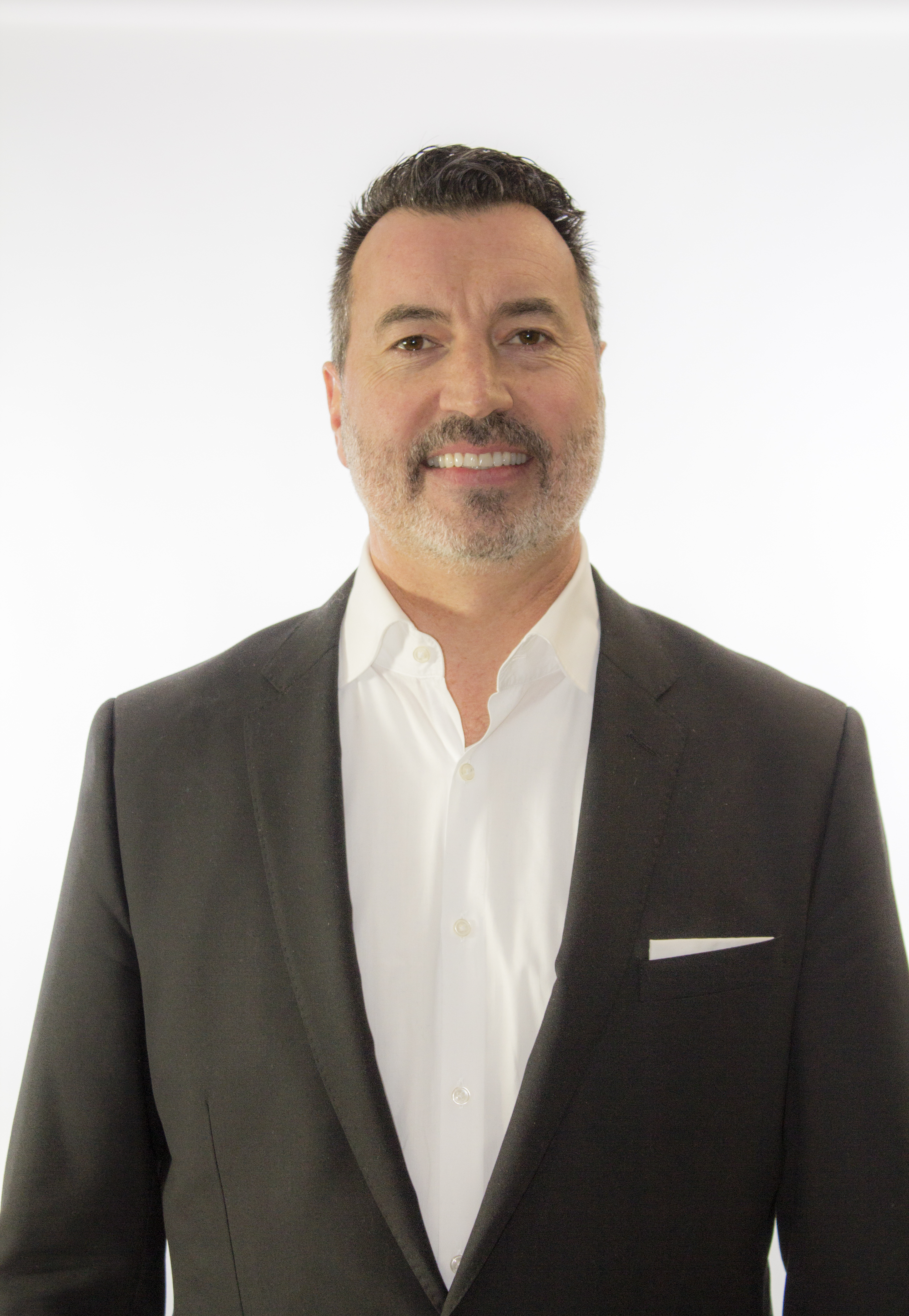
“Pat’s a real innovative, iconoclastic guy who’s not bound by fear or accepting the world the way it is. He wants to change it, and he did,” said Matt Giegerich, the newly elected board chair, who calls Mr. Dugan a long-term mentor and friend. Mr. Giegerich, the CEO of Ogilvy CommonHealth Worldwide, a health-care marketing and advertising firm, has served on the Charity Navigator board from the start.
A Bumpy Road
Mr. Dugan and his wife, Marion, gave $1.5 million to found the organization and provided the bulk of Charity Navigator’s funding through 2007. Today, 81 percent of revenue comes from users of the site, 6 percent from board members, 4 percent from foundations, and a small amount from other sources like advertising and data sales. Charity Navigator has gone from 150,000 visits when it went live in 2002 to 9 million visits in 2015.
The road has been bumpy.
“We’re trying to give guidance to donors so that donors can maximize their gifts,” said Mr. Dugan. “Obviously you’re stepping on some people’s toes by doing that. We knew right from the get-go that [charities] were not going to like it.”
Some say the group has done more harm than good, that it “dumbs down the conversation” about charity impact, relying on “meaningless statistics” that perpetuate the “overhead myth.”Others, like Daniel Borochoff, founder of ratings group CharityWatch, say the group ignores nuance, favoring quantity over quality of ratings.
Mr. Dugan grew used to confronting the critics, and he believes his group is achieving its mission. “We don’t want to make any enemies out there, and we want to be absolutely fair,” he said.
Charity Navigator continues to evolve incrementally. Its effort to evaluate charities based on program effectiveness, which Mr. Dugan has called “the holy grail,” has yet to come to fruition. While acknowledging the difficulty of meaningfully rating everything from soup kitchens to museums, he remains steadfast that Charity Navigator will find a way.
But Mr. Dugan, who celebrated his 80th birthday in October, felt it was time for the next, more tech-savvy generation of the organization to take the reins. His son, Peter Dugan, remains on the board.
Michael Thatcher, the organization’s president and a former Microsoft official, said that Mr. Dugan has done a lot to move the organization in the right direction.
Said Mr. Thatcher, “You can love or hate Charity Navigator, but what it’s done and what it’s intended to do is really a good thing for the sector.”