Council on Foundations’ New CEO Is Advocate for Giving Nonprofits More Power

By Alex Daniels
Senior Editor, Foundations
October 11, 2018 | Read Time: 4 minutes
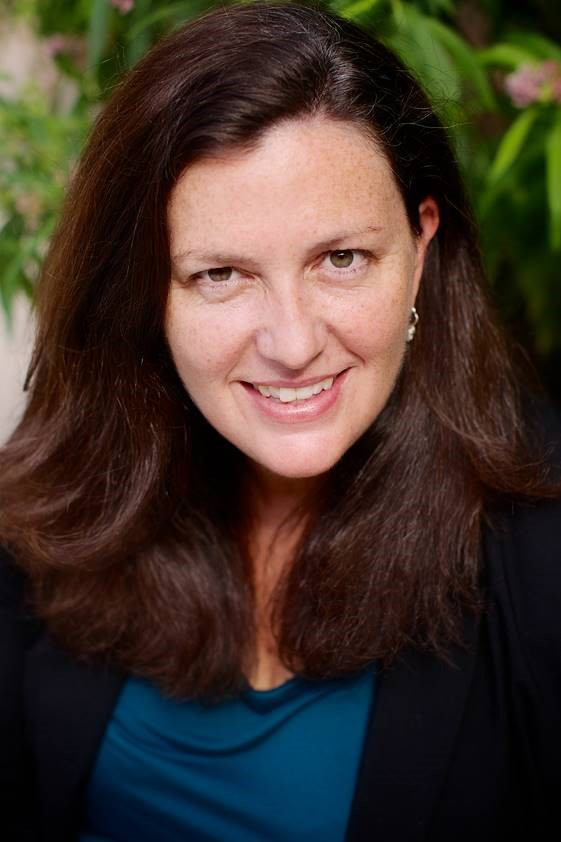
The Council on Foundations today named Kathleen Enright, a veteran of the grant-making world and an advocate for giving nonprofits more power in their relationships with grant makers, as its new president and chief executive.
Enright replaces Vikki Spruill, who left the organization in June to assume leadership of the New England Aquarium. After Spruill’s departure, Gene Cochrane stepped in to serve as interim president and CEO.
Enright, who will assume her new position on March 5, has served as president of Grantmakers for Effective Organizations for 17 years. Previously, she worked in communications and project-management roles at that organization and at BoardSource.
Enright said the council has an opportunity to be a strong voice on behalf of foundations at a time when critiques of philanthropy are surfacing among members of the public. She noted in particular the lawsuit filed by the New York attorney general against the Trump Foundation alleging extensive law breaking in the name of charity and the recent publication of Winners Take All, by Anand Giridharadas, which takes a dim view of the motivations that underpin philanthropy.
“There needs to be a counternarrative,” she said. “The council needs to be the organization showing how philanthropy … can contribute in deep and powerful ways to broad-scale social change.”
Javier Soto, president of the Miami Foundation, who serves as the council’s chairman, praised Enright for her ability to build coalitions and keep organizations focused on a mission.
She takes leadership of the organization a year after the council, and nonprofits more broadly, suffered policy setbacks on Capitol Hill. Despite aggressive advocacy campaigns by the council, Independent Sector, and other groups, few items in the massive tax overhaul signed into law in December auger well for increased charitable giving.
“Now is the right time to take stock of philanthropy and public-policy trends, to look carefully at the role the Council on Foundations has played — and, most importantly, how we can strengthen that role moving forward,” Soto said in a statement.
Enright said she planned to pursue close relationships with other groups, including Independent Sector, National Council of Nonprofits, Philanthropy Roundtable and the United Philanthropy Forum. “A unified voice and increased strength among all of these organizations will increase our potential to move the issues we really want to move,” she said.
New Power Dynamic
At Grantmakers for Effective Organizations, Enright pushed foundations to help nonprofits achieve greater impact and financial stability.
She also advocated strongly for giving nonprofits more say in the decision-making process that guides foundation strategy. In a 2015 opinion essay for the Chronicle, Enright said there was a “damaging” lack of trust between nonprofits and foundations that was impeding the work of philanthropy.
“Grant makers can’t achieve what they hope to without strong nonprofits, and many funders are working to find ways to give beneficiaries of foundation money a stronger role,” she wrote.
She added, “No one is satisfied with the progress philanthropy has achieved so far in solving the problems in our communities and around the world. If we want to see faster progress, then we need to create a new power dynamic.”
Spruill, who led the council for six years, departed to return to marine conservation. Previously, she led the Ocean Conservancy. She is credited with providing ballast at the Council on Foundations after a period in which it was struggling financially. She did so by reconfiguring membership fees to increase revenues and cutting expenses by reducing staff and scaling back on the organization’s conferences.
From 2004 to 2015, the council received more than $64 million in foundation grants, according to a study by the Foundation Center. More than half of that revenue came from foundations outside of a group of 20 grant makers that dominate philanthropy infrastructure funding.
In 2017, the council budgeted for a $1.2 million loss. It exceeded expectations and posted a $500,000 budget deficit. Before she left this year, Spruill said the organization was close to breaking even.
Enright said that she sees opportunities to broaden the council’s work beyond private foundations to improve the work of donors who give through limited liability corporations and donor-advised funds, which have made gains in popularity.
“We care about philanthropic giving,” she said, “and how we can use those assets however they are mechanized.”
Julian Wyllie contributed to this story.