Development Groups Fail to Put Communities First, Says Former Aid Worker

By Caroline Bermudez
Contributor
January 13, 2013 | Read Time: 4 minutes
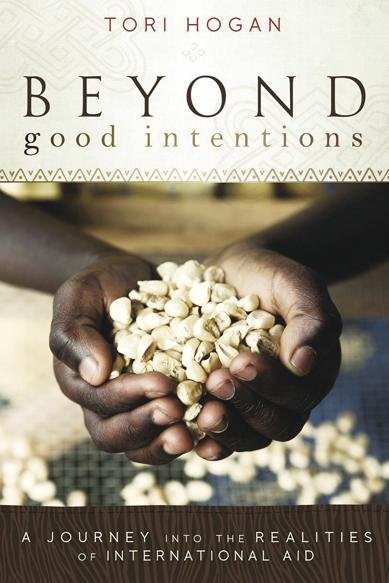
Humanitarian programs are plagued by poor management and do little to help the people they serve, says Tori Hogan, author of Beyond Good Intentions: A Journey Into the Realities of International Aid. A former aid worker and founder of a company that produces films questioning the efficacy of international aid, she recounts her travels documenting the work of aid groups. Following are excerpts from her conversation with The Chronicle.
What problems persist in international aid?
The needs of the people that are being served are not the center of attention. You really can’t be effective when you come into a community with the assumption that you know better.
A lot of the decisions at a head office are dictated by the donor. And as a result, aid organizations are unable to be flexible with the community, respond to their needs one on one, or have a long-term horizon in which they can plan strategically. There’s no feedback loop.
Another problem is an expat aid-worker community that is very well intentioned but often not very well connected to the people they’re trying to serve. A lot of waste and mismanagement.
Are these due to organizational or staff failures?
It’s an organizational failure because the way these organizations are structured, they are not set up to attract the best and brightest.
If they are able to attract them, they’re often unable to retain them because the number of frustrations you encounter when you’re working for a lot of these organizations is so high.
You see a pretty young profession—a lot of naïve do-gooders in their 20s or early 30s love to get into international aid, but they burn out very quickly because they realize that it’s not always what they hoped it would be.
What skills do aid workers need?
Intense humility. They need communications skills; that means being able to share their ideas, how to listen and take in ideas from other people and know how to process those effectively. Project-management skills not only in the short term but also in the long term, and understanding strategic planning over time.
I think a lot of aid workers would benefit from business degrees. What they definitely don’t need is a degree in development skills. It doesn’t provide you with hard skills.
Why would business degrees benefit aid workers?
When aid recipients are treated more like customers instead of beneficiaries, there is infinitely more accountability and the results are often more appropriate and effective. When you approach aid from a business mind-set, it’s often easier to properly identify unmet needs among your target population, design an approach with the customer in mind that will maximize impact, and tailor the project over time to better meet the needs of the people you’re serving.
Does government help or hinder aid efforts?
Most of the government programs are less helpful than they intend to be because there’s an enormous amount of bureaucracy required to run these programs. There are so many moving parts and so many people that need to be reported to. At the end of the day, it’s not about people at the grass-roots level, it’s about a lot of people in offices trying to figure out whether the money got spent correctly or at all.
Is aid glamorized too heavily?
Donors are often misled by organizations that are very good at convincing them that their money is going to be spent well, when in actuality it’s not. We’re in the age of the glossy brochure and the fancy Internet campaign that invest in an enormous amount of what I call “poverty porn” to convince you that for the price of a cup of coffee a day, you can save a child’s life. Some of the organizations that have the biggest media and marketing budgets are the ones that are doing the least good in the field, but they sure can tell a good story.
If an organization is doing very good work, it means that they usually don’t need a lot of marketing because the word’s gonna get out, people are going to hear about it, and ideas are going to spread organically.
We all are looking for that one answer that’s going to be the silver bullet to solve all the world’s problems. The fact is, that doesn’t exist. I encourage people to invest in unsexy aid.
What do you consider to be “unsexy” aid?
“Sexy” aid would include things like building schools, digging wells, and sending in-kind donations. These are initiatives that you usually can take a picture with or put your name on in some way. In contrast, “unsexy” aid would include projects that are highly effective but are harder for donors to get clear credit for in the form of photos or plaques, such as teacher training, deworming, or legal aid.