Inequality in America Is Difficult to Reconcile With Our Faith in Democracy, Says Author

By Caroline Bermudez
Contributor
March 10, 2013 | Read Time: 4 minutes
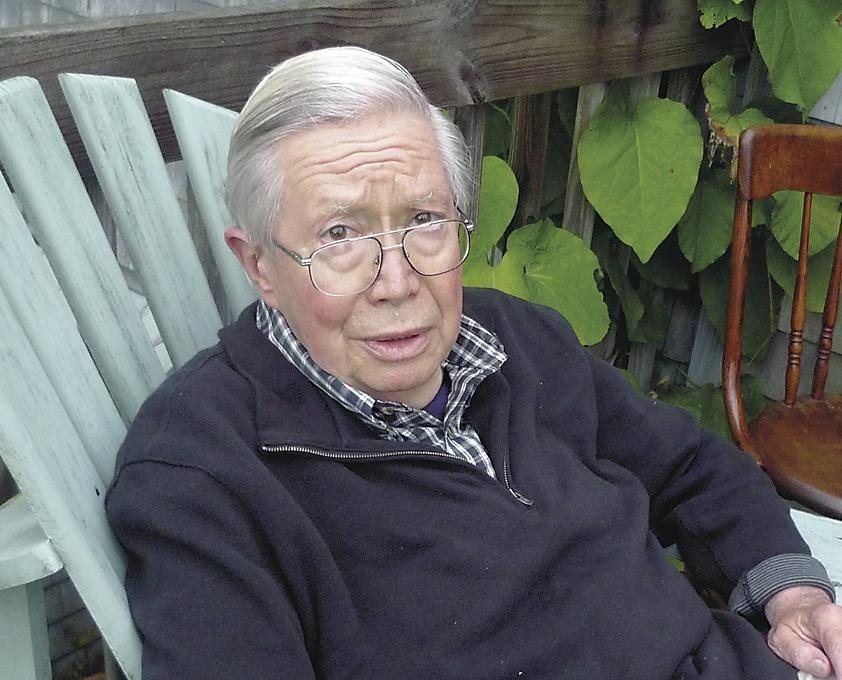
America has always been torn about the role of wealth and philanthropy in a democracy, says the author of The Good Rich and What They Cost Us. Robert Dalzell Jr., a former history professor at Williams College, talked about the book with The Chronicle:
Why do you believe John D. Rockefeller is the mold for modern philanthropy rather than Andrew Carnegie?
First of all, he made more money than even Carnegie had, and secondly, he was a philanthropist throughout his whole life, which Carnegie wasn’t. From the start, he places such an emphasis on philanthropy, whereas Carnegie really only comes to it at the end of his life, and then large numbers of Americans didn’t think well of him.
Was Rockefeller’s philanthropy atonement for his reputation as a ruthless businessman?
I don’t think John D. Rockefeller himself believed he had anything to atone for. If you want to talk about Carnegie, he did think he did.
Rockefeller said that the best form of philanthropy is a successful business because of its impact on society: It employs people, it produces products, and if it’s doing a good job of that, the prices of those products decline steadily so that more and more people can avail themselves of opportunities.
Does Rockefeller’s belief explain why Steve Jobs [the late co-founder of Apple] wasn’t involved in philanthropy?
Jobs thought that philanthropy was almost invariably self-serving. It was people setting out to construct better images of themselves.
He thought that what he did for the world with his company and its products was far better and more meaningful than anything he could have done as a philanthropist. One way of looking at it is to say he didn’t think he needed philanthropy and he didn’t want people to think he needed it.
What is the paradox between great wealth and inequality?
The rich give to cultural institutions and institutions of higher education, whereas the farther you go down the ladder, people are more inclined to give to things that immediately touch the lives of people around them. That includes religion, the community chest, to relieve suffering in disasters.
If we want to support institutions of higher education, museums, symphonies, and operas with private monies, you can argue those are things that we truly need, but it’s a rather small slice of society that gives to those things, and it is the very rich.
Those institutions are undemocratic because they simply do not touch the lives of large numbers of people and they aren’t calculated to do so.
Basic medical research, which the Rockefellers did an enormous amount with, can have greater appeal if you are concerned with the issue of democracy. This is something that can absolutely touch the lives of everybody.
Why do we believe the rich are more generous than they actually are?
It makes us comfortable with levels of inequality in American society that are difficult to reconcile with our faith in democracy.
We’re not so much talking about what the rich do to their fellow countrymen, but what we do with the rich. We make up stories about them that we’re comfortable with that lead us to believe that it’s okay to be rich.
Sixty-three percent [of people surveyed] in a Gallup poll done last spring of Americans think it is indeed a good thing to have a class of rich people.
It has made a difference in how we do any number of things, including the tax code and the breaks given for philanthropic giving.
Is the Giving Pledge self-serving?
It is self-serving in that [Bill] Gates and [Warren] Buffett believed that it was important for the very rich to appear to be doing something beneficial for the world at large.
They hoped to encourage more people to give than were. Gates and Buffett thought it would be good for society but also good for the very rich.
There was a growing sense in society—and there was in the years when the Giving Pledge was conceived—that things had become badly skewed. Inequality had reached unacceptable proportions in American life.
They also hoped to encourage people who weren’t giving much to do so.
I think that may have been a tougher sell.
If you look at the number of people who are interested in signing the Giving Pledge, it is not a large fraction of the 400 people that Forbes selects as the richest Americans.