Selling and Fundraising Are Both About Finding Common Ground, Says Expert

By Caroline Bermudez
Contributor
April 21, 2013 | Read Time: 4 minutes
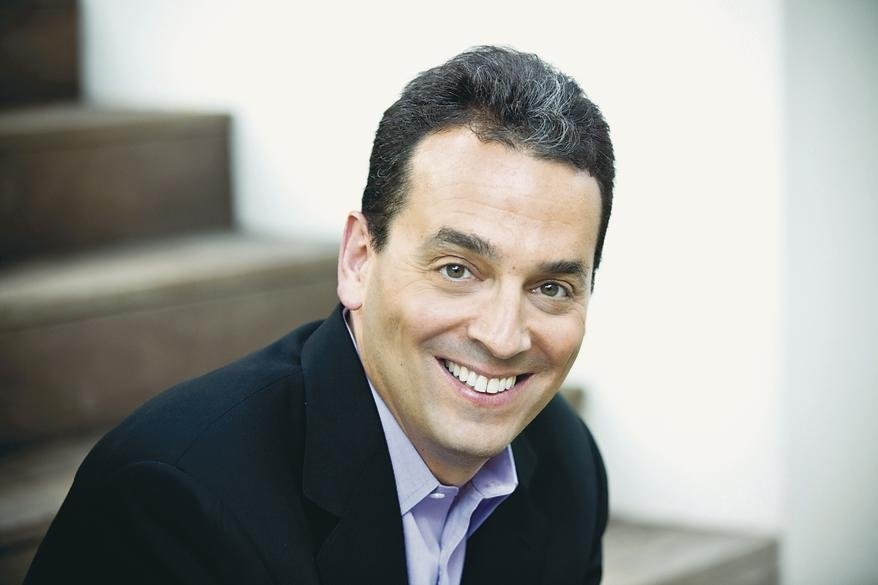
What makes good salespeople can also make good fundraisers, says Daniel Pink, author of To Sell Is Human: The Surprising Truth About Moving Others. Drawing on social-science literature and conversations with successful salespeople, Mr. Pink discussed what his research found:
How would you persuade fundraisers to rethink their notions of selling?
The way to think about sales is to think about how to find common ground with somebody. How do you help people surface their own reasons for doing something? How do you create an ethic where you serve first, and sell second?
We have to recognize that the act of selling is not a grim accommodation to the merciless world of commerce; it’s not something that you do by becoming deceitful or manipulative—today, it’s much harder to be deceitful because you’re going to get found out and people will talk about it.
Selling is helping people to do what they’re already inclined to do.
What is changing about selling and fundraising?
People who are raising funds for charities have more informed buyers, meaning donors, who are asking tougher questions, so the premium is much more on transparency and openness. When people have a lot of charitable choices, each individual charity and each individual fundraiser has to look for ways to carve out a particular spot in a donor’s mind.
How can people raise money effectively?
What you really want is to see things from other people’s perspective.
If you’re raising money, what are the donor’s interests? Is the donor making a donation for reasons of ego? Is it someone who is making a donation out of a feeling of reciprocity, because of something that was given to them earlier in their life? Is it a donor who is making a donation because of a sense of purpose and having an impact on people’s lives?
That’s really important in anything—getting out of the anchor of our own position and seeing the world from other people’s points of view.
There’s something effective about having a lower profile—asking questions rather than making statements, listening more. Every decent salesperson I talked to talked about the importance of listening.
Why is listening so important?
Listening is very human, and most of us don’t know how to do it very well. No one teaches you how to listen.
The only way you know where someone else is coming from, what someone else’s interests are, and what they’re thinking is to listen carefully and actively to what they’re saying and how they’re saying it.
Even things that seem to be on the surface an objection—to be a no—often have embedded within them an offer. If we train ourselves to listen a little better, sometimes those objections have an offer—not every time, but more often than we think.
In order to raise money from somebody, you have to understand who is this person, not to deceive them but to understand them.
What would be their motives for contributing money? Why do these people contribute money to some places, but not to others?
That’s attunement—treating everybody well, but not treating everybody the same.
What cue should fundraisers take from business?
Charities can address a problem in the form of a narrative. The purpose of a pitch is even more germane for fundraisers than it is for someone selling tires because the purpose of a pitch is to engage.
For higher-dollar fundraising, it’s all about continued conversations and continued relationships. Appealing to a sense of purpose is persuasive.
Why do you say fundraisers should have buoyant personalities?
Barbara Fredrickson [a professor of psychology at the University of North Carolina at Chapel Hill] has this lovely definition that I quoted in the book: “What you want is the proper combination of levity and gravity.”
Too much levity, you’re floating off into la-la land. Too much gravity and you’re sinking to the bottom. The proper mix is buoyancy.
Most fundraisers are going to get rejected a lot. Especially in times like these, fundraisers are going to hear dozens of noes for every yes. The only way to get to that yes is to survive those nos.