
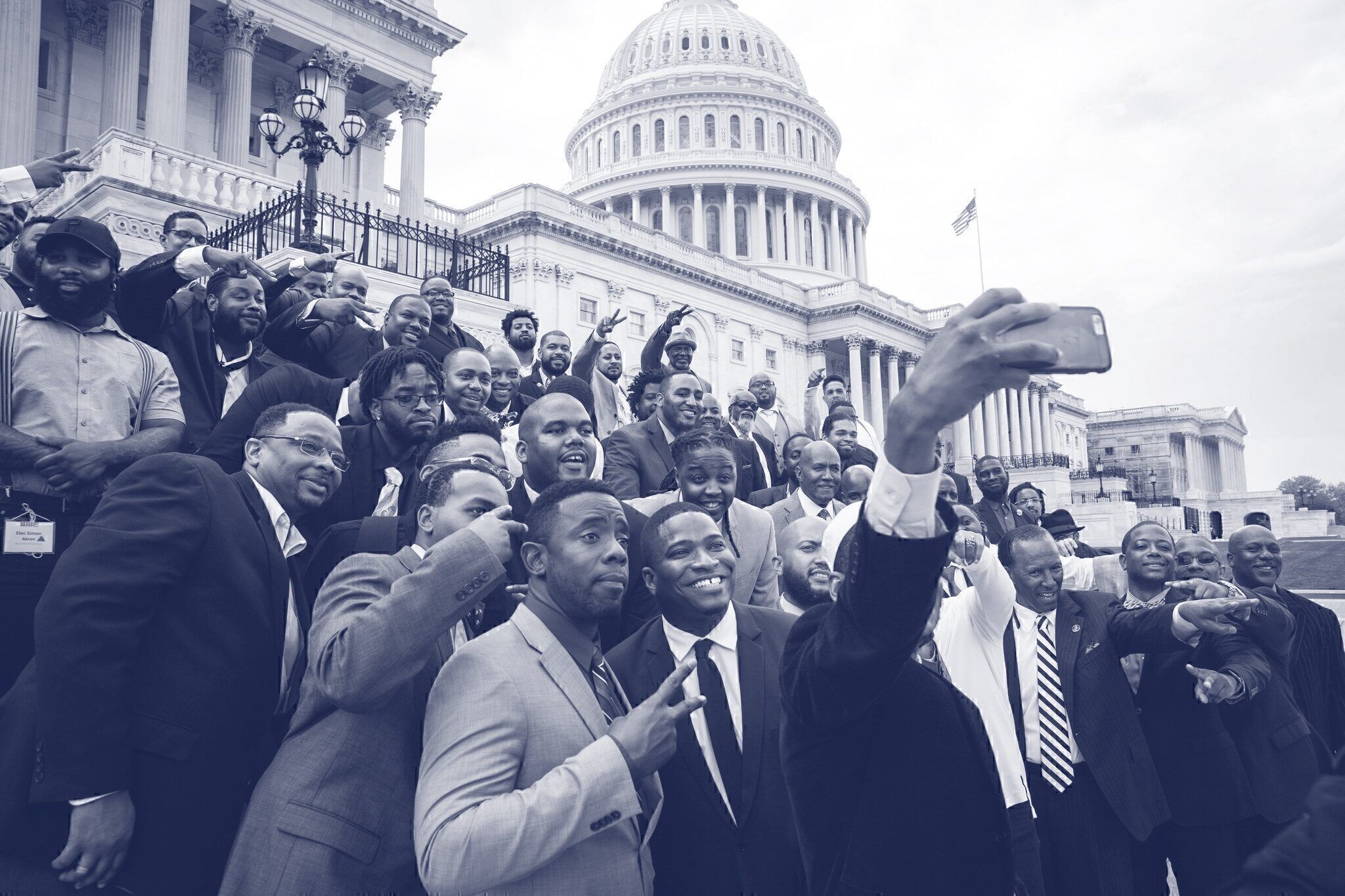
Instead of using terms like “at-risk,” “low-income,” and “disadvantaged,” define people first by their aspirations and contributions, as in “a black student striving to overcome a threatening environment and graduate.”

By Trabian Shorters
Contributor

‘Giving USA’ Shows Tax Changes Didn’t Matter Much to Donations
Charity fundraising was anemic in 2018, but fresh evidence says other factors had far more impact than a measure that affected the charitable deduction.
By Suzanne Garment and LESLIE LENKOWSKY
The Smartest Way to Promote Diversity: Pay for Overhead at Charities Led by People of Color
Many grant makers that are supporting ambitious efforts to curb the racial bias that perpetuates disparities in housing, employment, education, and beyond fail to realize that they could make a real difference simply by paying charities for the full cost of their work.
By Claire Knowlton and Trella R. Walker
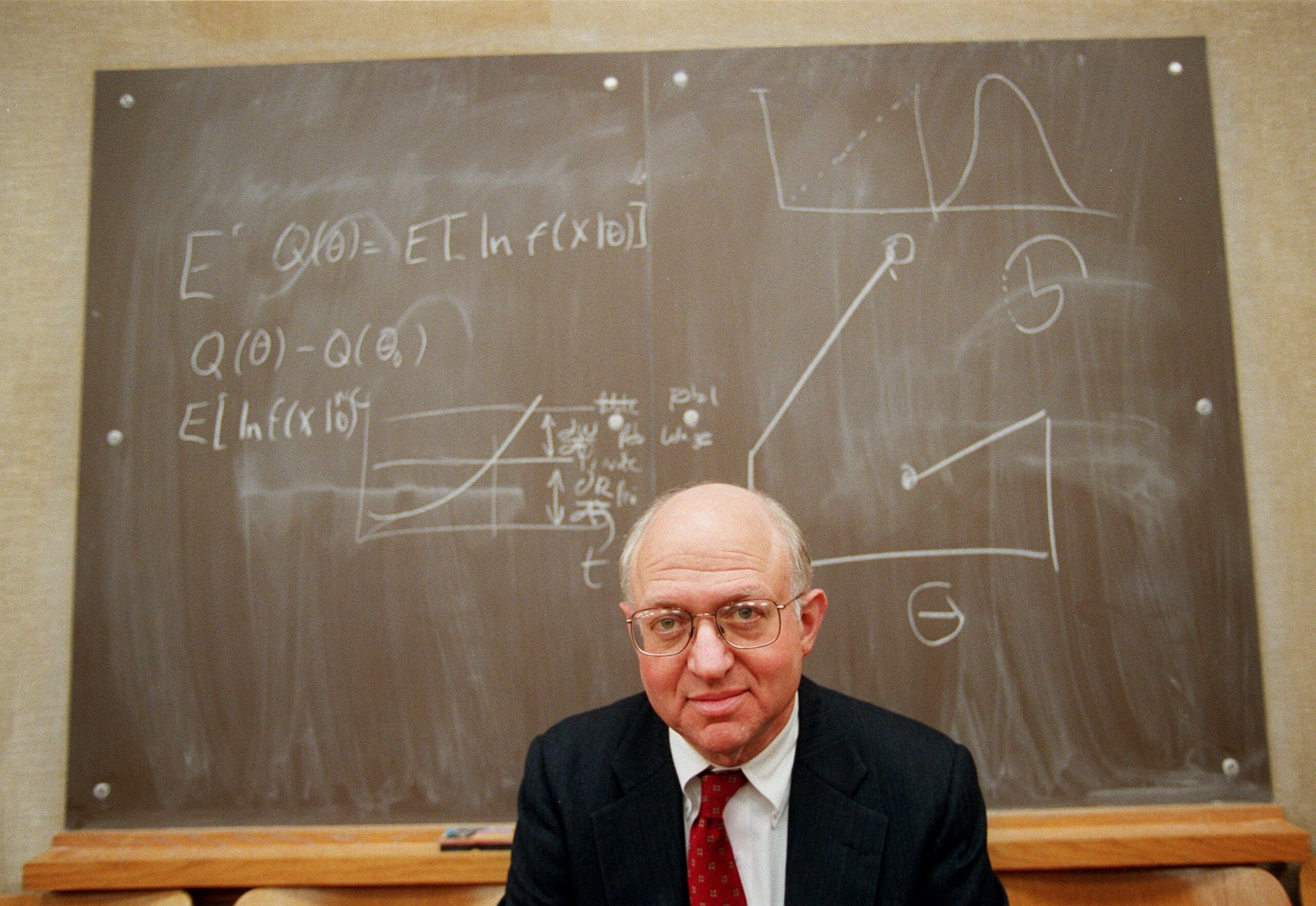
The Legacy of a Pioneering Scholar on Charitable Giving
The late Harvard economist Martin Feldstein had a profound impact on the study of philanthropy. His ideas and research going back decades are still being used today.
By LESLIE LENKOWSKY and PUBLIC AFFAIRS
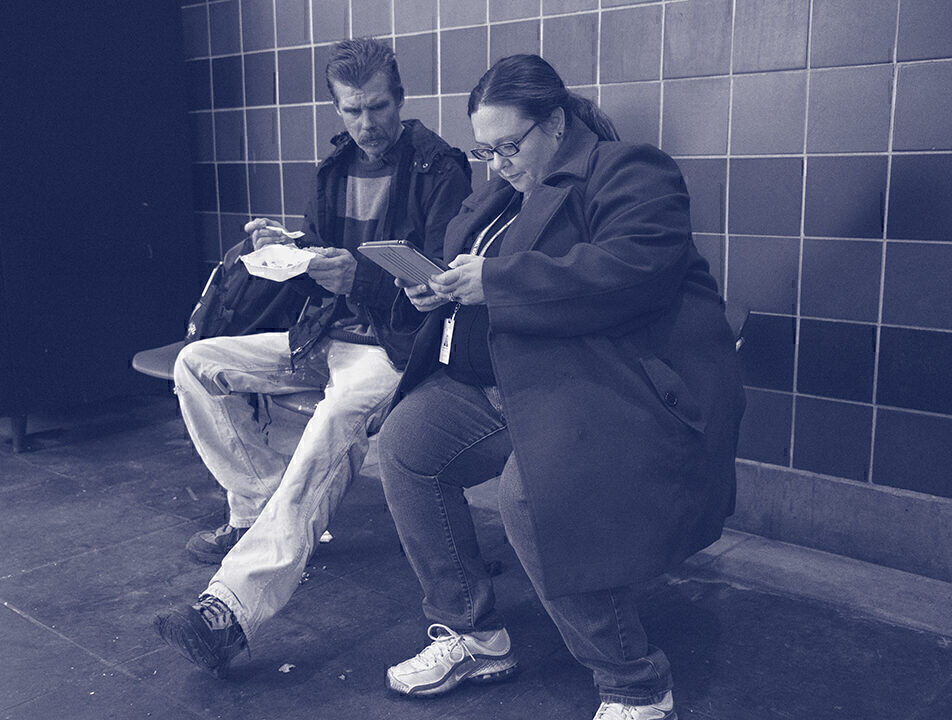
Asking and Listening: Key to Social Change Communications Is Focusing on the People We Serve
Policy making is stronger when it is shaped by the people it’s supposed to help — and that takes new ways to communicate and build connections.
By Anne-Marie Slaughter
Contributor
Why Foundations Should Connect Policy Groups to the People They Seek to Help
Without that connection, grant makers and policy groups risk focusing on the wrong priorities, building weaker or misguided arguments and making gains harder to achieve and wins less secure.
By BETSY KREBS
Contributor
Wells Fargo Pledges $1 Billion for Affordable Housing
The financial-services giant’s Wednesday announcement means a shift away from narrowly targeted efforts to improve diversity to address “systemic” issues that hurt minorities.
By Alex Daniels
Contributor
Lesley Hoffarth had spent her entire career with the Missouri Department of Transportation until Forest Park Forever called.

By Jim Rendon
Executive Editor
Big Jewish Nonprofits Can’t Keep Letting Only the Ultrawealthy Call the Shots
Organizations have failed to reach out to Jews who look like the rest of America — Middle Eastern Jews, Russian-speaking Jews, Jew with disabilities, Israeli-American Jews, Jews of color, LGBTQ Jews, and millennial Jews are largely ignored.
By Hanna Shaul Bar Nissim
Contributor

Forging Genuine Human Connections Is Essential for Nonprofit Communications
Visits to health clinics, homeless shelters, museums, and other such places better convey ideas and plans for community-based change than digital communication alone so we need to invite journalists and others to see philanthropic work in action.
By Andy Burness
Contributor