

Americans’ Trust in Charity Holds Steady Amid Pandemic, Poll Finds
Civil-rights and community-action charities fared better than other nonprofits in gaining the confidence of Americans.

By dan.parks
Contributor

The Case for Climate Justice and Community-Led Change
Gloria Walton, CEO of the Solutions Project, also discusses the value of grassroots organizing and advocacy and what it will take to move philanthropy toward transformative grant making.

The Va. Race Shows Why Philanthropy Can’t Tune Out Voter-Engagement Groups When Major Elections End
Grassroots organizations need robust, year-round funding to do the consistent work necessary to solve problems in communities, change lives, and keep voters engaged.
By Nsé Ufot
Contributor

Major Donor Liesel Pritzker Simmons Demystifies Impact Investing
The co-founder of the impact investing firm Blue Haven Initiative says impact investing can work hand-in-hand with market-based approaches to social issues. Plus, see a Chronicle essay about Pritzker Simmons.

Creating a Diverse Board Isn’t Easy, but It’s Well Worth the Effort
To achieve greater diversity, boards need to slow down, listen to different perspectives, and actively push fellow members to take difficult and occasionally uncomfortable steps.
By Ernest J. Wilson III
Contributor
Muslim Americans Are More Generous Than the Overall U.S. Population
Muslim Americans gave an average of $1,400 to charities not related to faith, compared with $767 for the general population.
By dan.parks
Contributor

Is the Nonprofit World Afraid of Feelings?
A personal and emotional connection to a cause, along with a strong sense of urgency, are the most important motivators for giving. Yet fundraisers continue to prioritize data-driven approaches that often discourage people from donating more.
By Asha Curran and Woodrow Rosenbaum
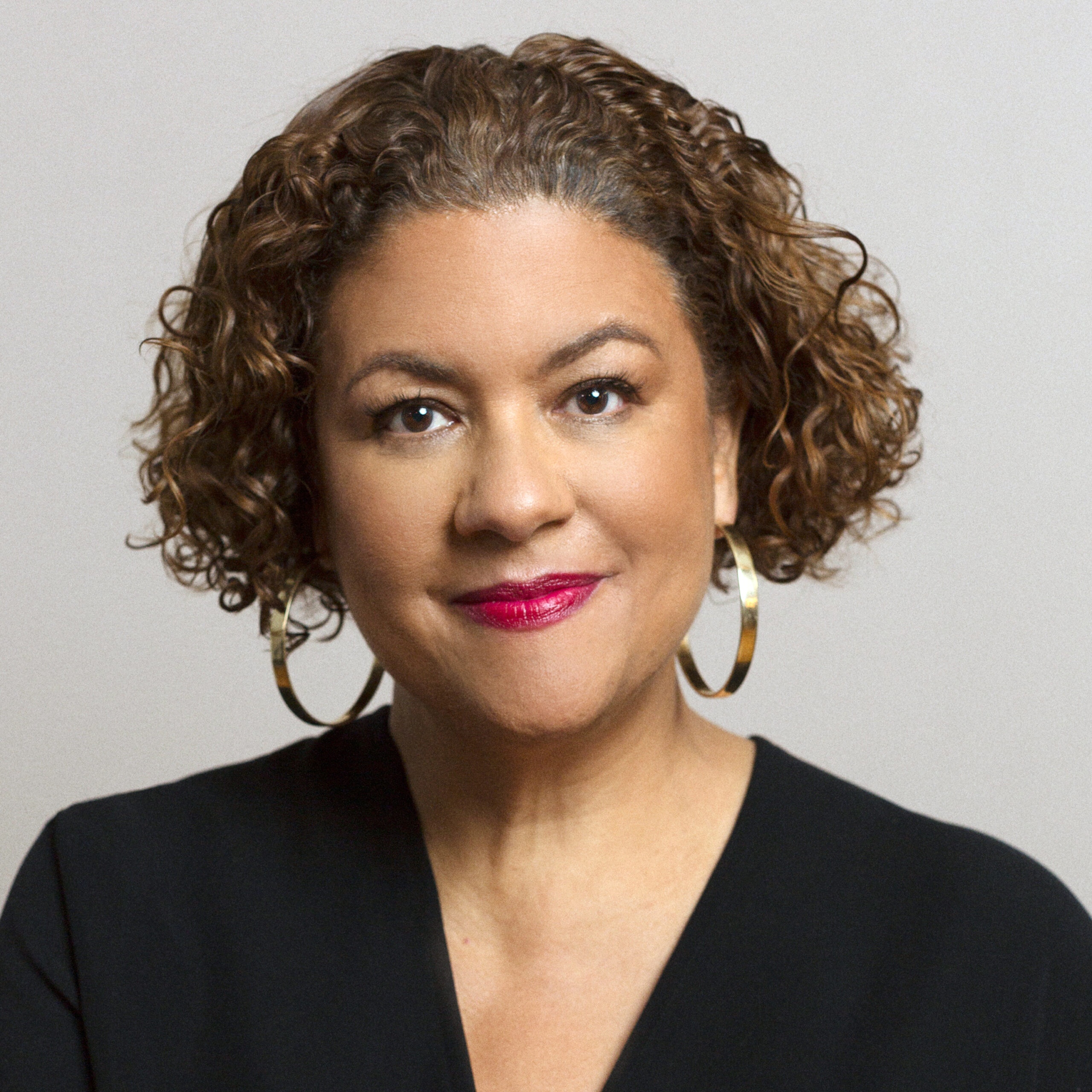
Foundation President Talks About Why Investing in Arts Can Support a More Equitable Society
In the sixth episode of Giving Done Right, Season 2, the Center for Effective Philanthropy’s Phil Buchanan and Grace Nicolette talk with Elizabeth Alexander, poet and president of the Andrew W. Mellon Foundation.
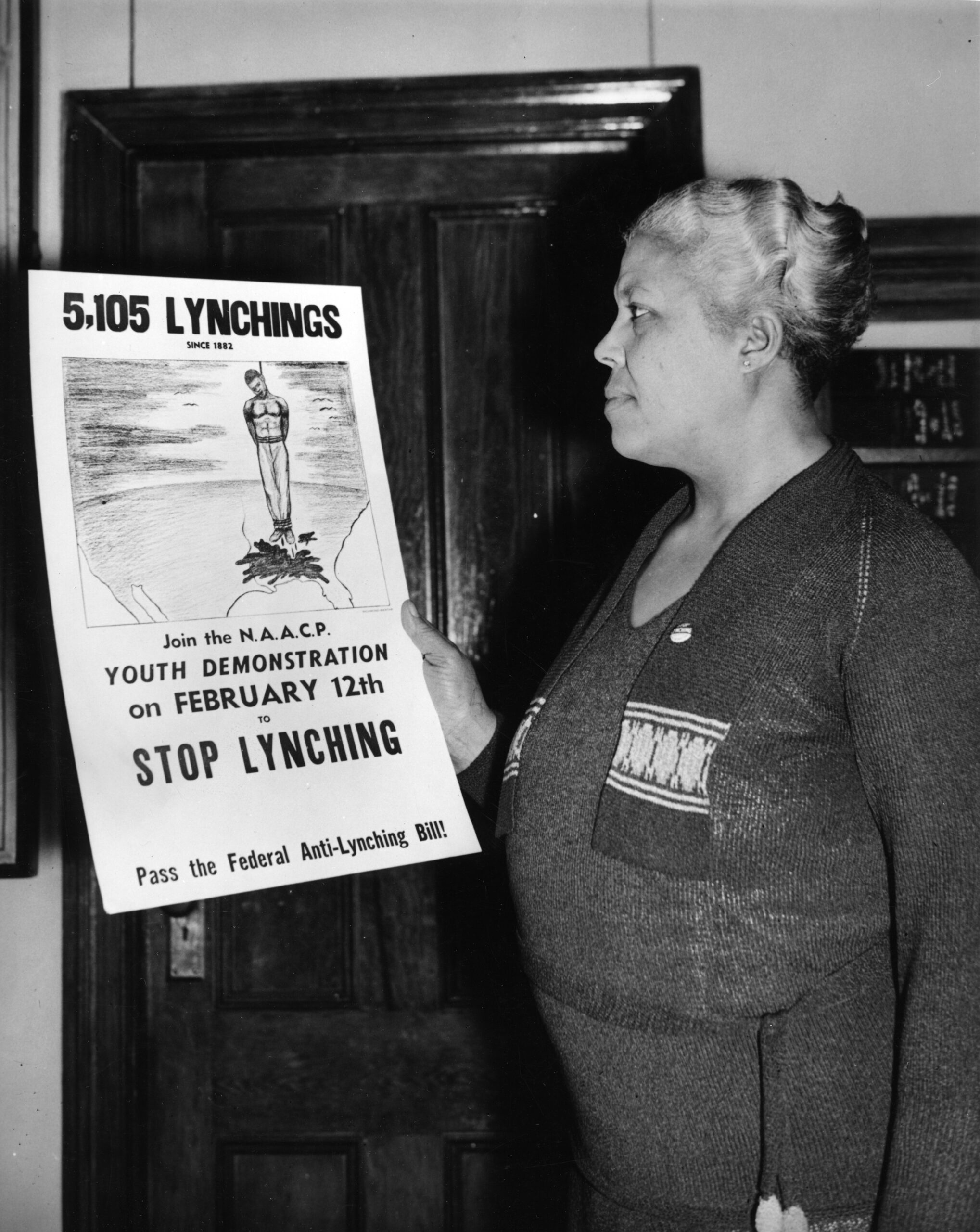
To Create a More Inclusive Future, Philanthropy Should Examine the Overlooked Chapters From its Past
Women, Black people, and immigrants — not just wealthy industrialists — fueled 20th-century philanthropy in cities like Pittsburgh. Understanding their historic role is critical to developing more just and equitable philanthropic practices today.
By Kathleen W. Buechel
Contributor

Once Left Out of the Ford Foundation’s Strategy, Disability Rights Gets Its Own Program
In 2015, the foundation had a very public reckoning with its failure to consider disability as it overhauled its grant making to focus solely on inequality.

By Drew Lindsay
Contributor
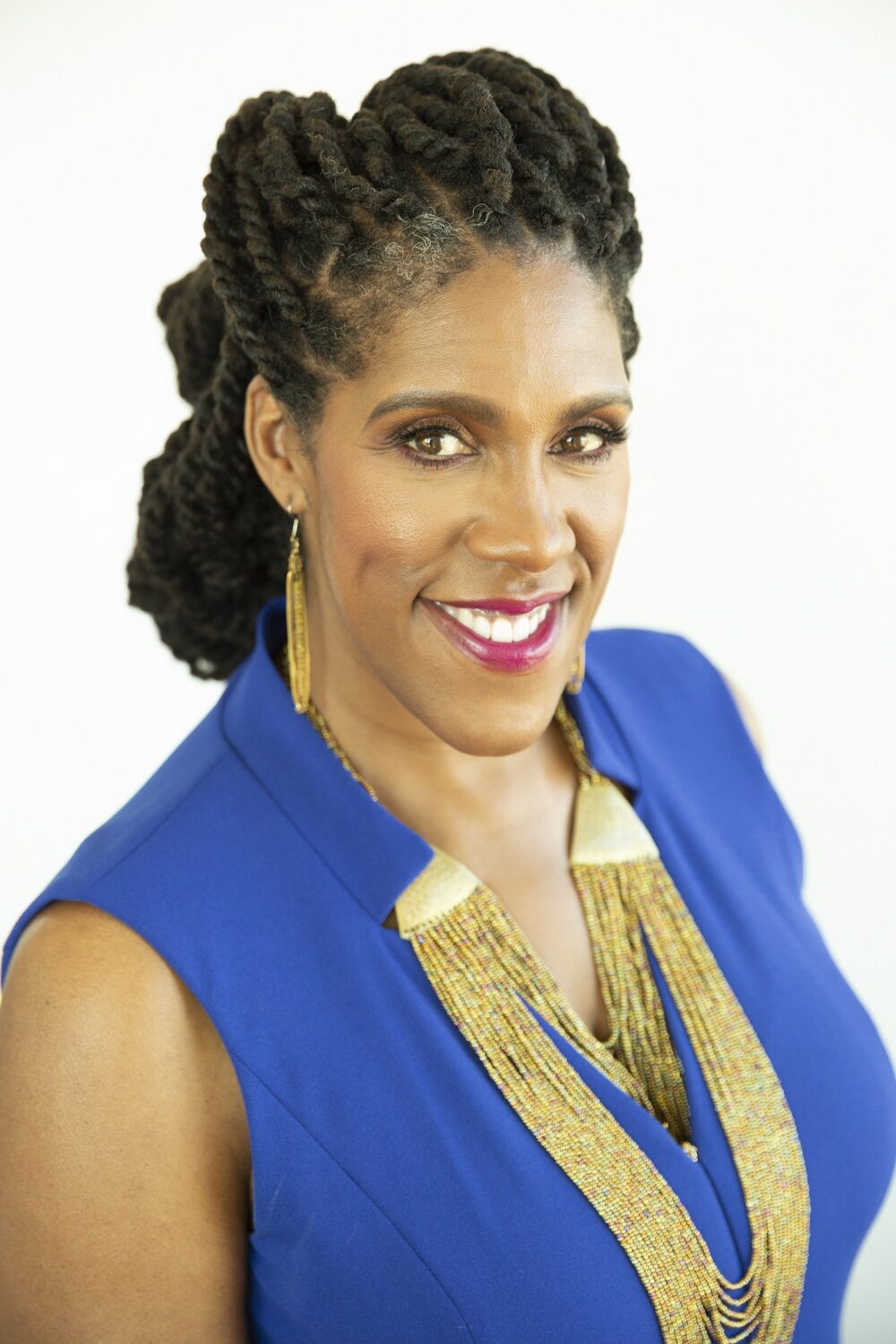
Ms. Foundation Focuses Funds on Groups Led by Women of Color
The Ms. Foundation for Women unveiled $4 million in funding Wednesday for more than 100 groups that are working for social justice. More than 90 percent will go to groups led by women and girls of color.
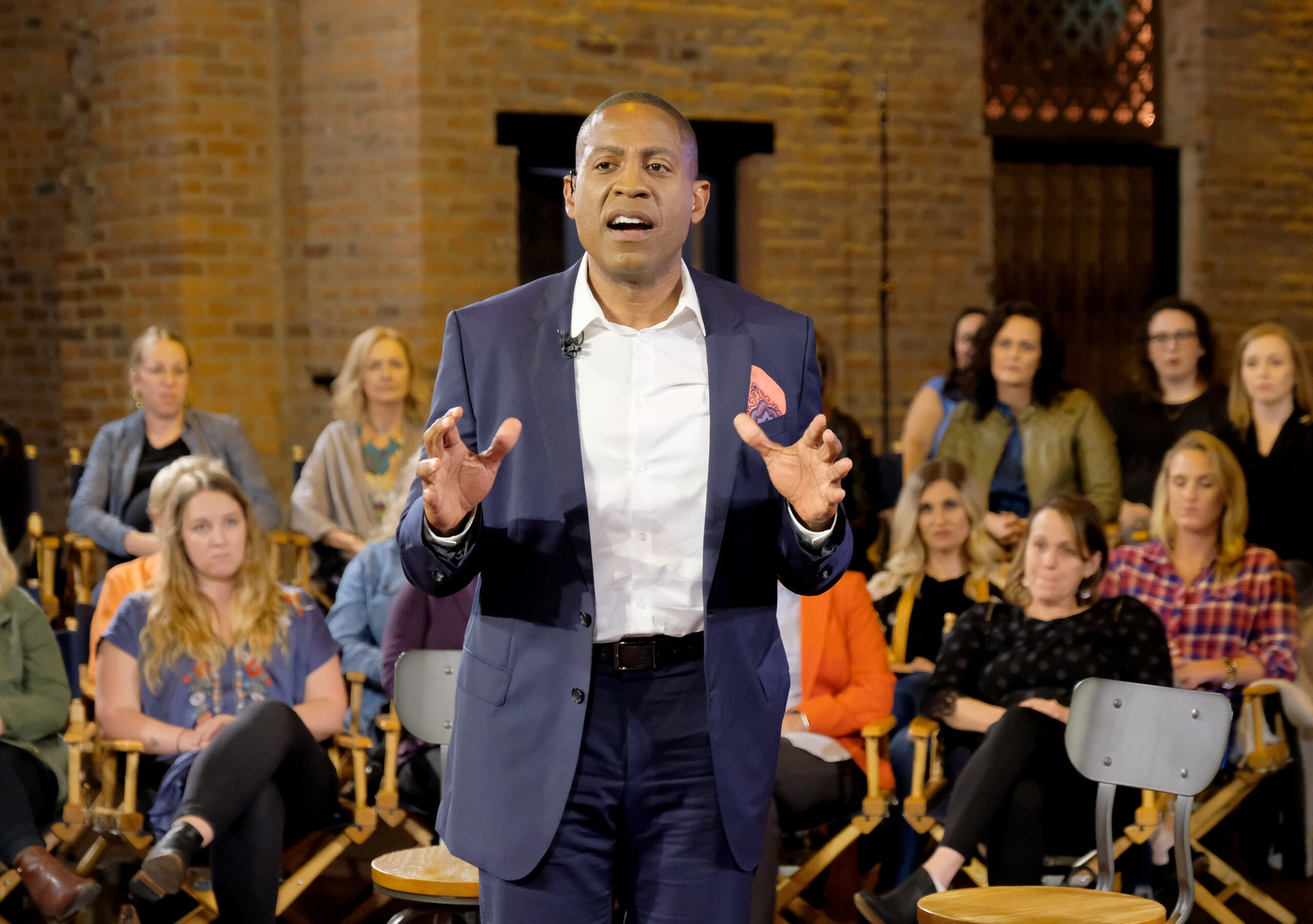
The Ozy Media Debacle Is a Cautionary Tale for Journalism Donors
Before funding a news organization, donors should ensure the outlet can deliver on its promises and reach the intended audience. Without such vetting, philanthropic organizations are likely to miss out on opportunities to support journalism where it is needed most — in underserved communities of color.
By Tracie Powell
Contributor

In a New Book, Young Faith Leader Preaches ‘Radical Hope’ for Social-Change Movements
“Healing the healers” — those campaigning for justice in all walks of life — is the mission of the Rev. Jennifer Bailey, founder of Faith Matters Network.
By Drew Lindsay
Contributor

How to Ensure People With Disabilities Can Participate Fully in Virtual Events
Organizations that don’t prioritize accommodations for people with disabilities at their events convey the message that they don’t matter.

By Lisa Schohl
Director, Nonprofit Learning

If You Want to Hire an Executive Director of Color, Don’t Set Us Up to Fail
Leaders of color shouldn’t be brought in to clean up a nonprofit’s past mistakes or racist actions. The transformation to a more equitable and inclusive organization should be well underway before we walk in the door.
By Sarah Audelo
Contributor
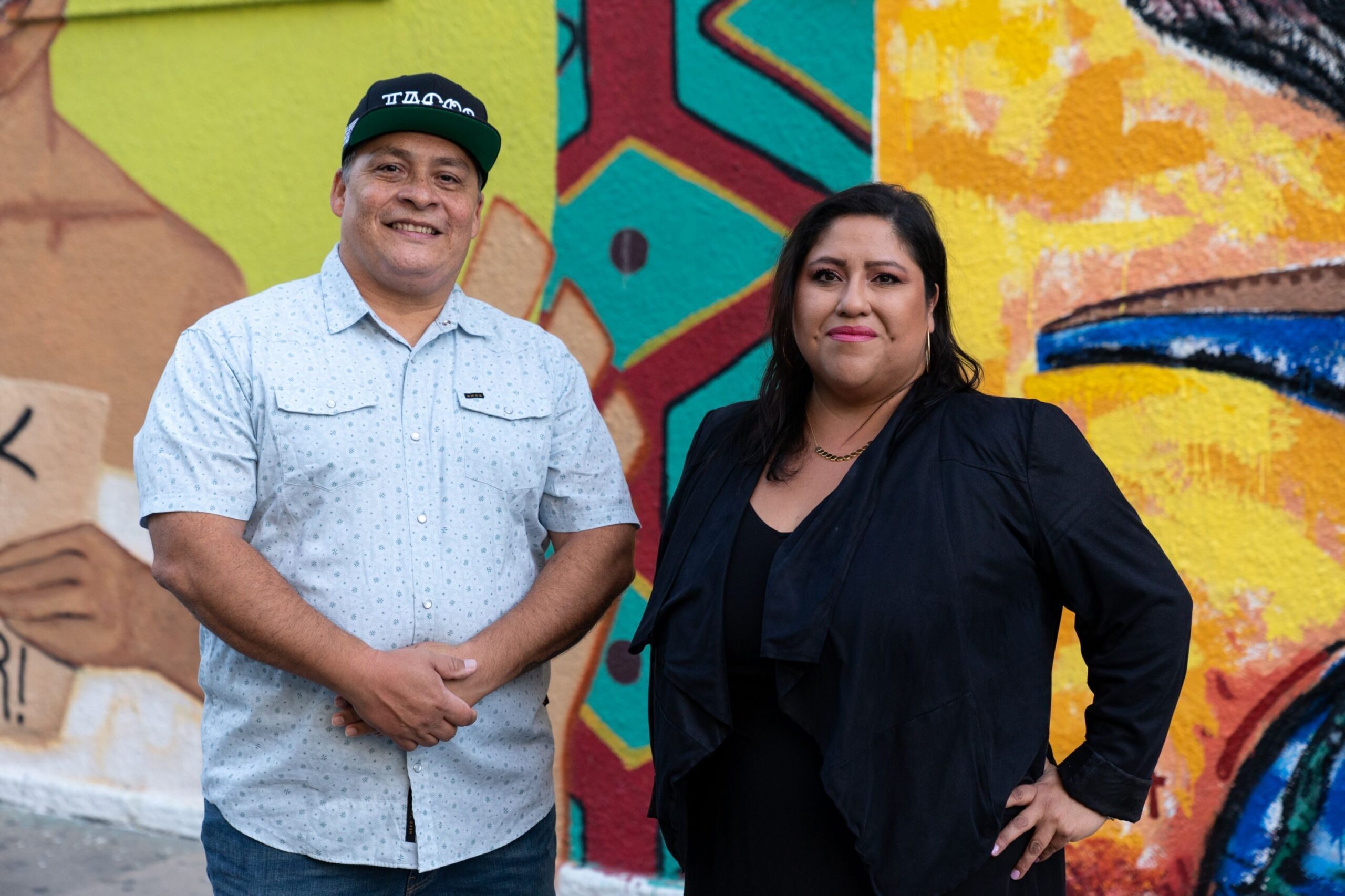
Tex. Nonprofit Tackles Lack of Board Diversity in One of America’s Most Diverse Cities
Mando Rayo’s New Philanthropists is building a pipeline of people of color.
By Drew Lindsay
Contributor