

Many employees are suffering in the wake of the ‘Dobbs’ decision and want to know that nonprofit leaders will support them on an emotional and practical level, if necessary. They also want to see in words and actions that their organization is committed to the larger reproductive-rights efforts.

By Anika Rahman
Contributor

We Committed to Paying Our Staff More Than a Living Wage. Your Nonprofit Should Do the Same.
As inflation takes a toll on underpaid employees, nonprofit leaders need to recognize the seriousness of the problem and make sure their compensation policies align with their organizational missions.
By Minor Sinclair
Contributor

Philanthropy Should Heed What the Declaration of Independence Said About Giving Everyone a Say
Democracy requires all institutions, including foundations, to create settings that enable more than experts and power brokers to control the agenda.
By Cynthia Gibson and Matt Leighninger

Donors Need to Recognize the Link Between Abortion and Democracy — and Fund Accordingly
Grant makers that support efforts to strengthen American democracy and those committed to reproductive justice will be more effective if they see the connection between the two issues and work together to achieve their goals.
By Brook Kelly-Green and Pamela Shifman
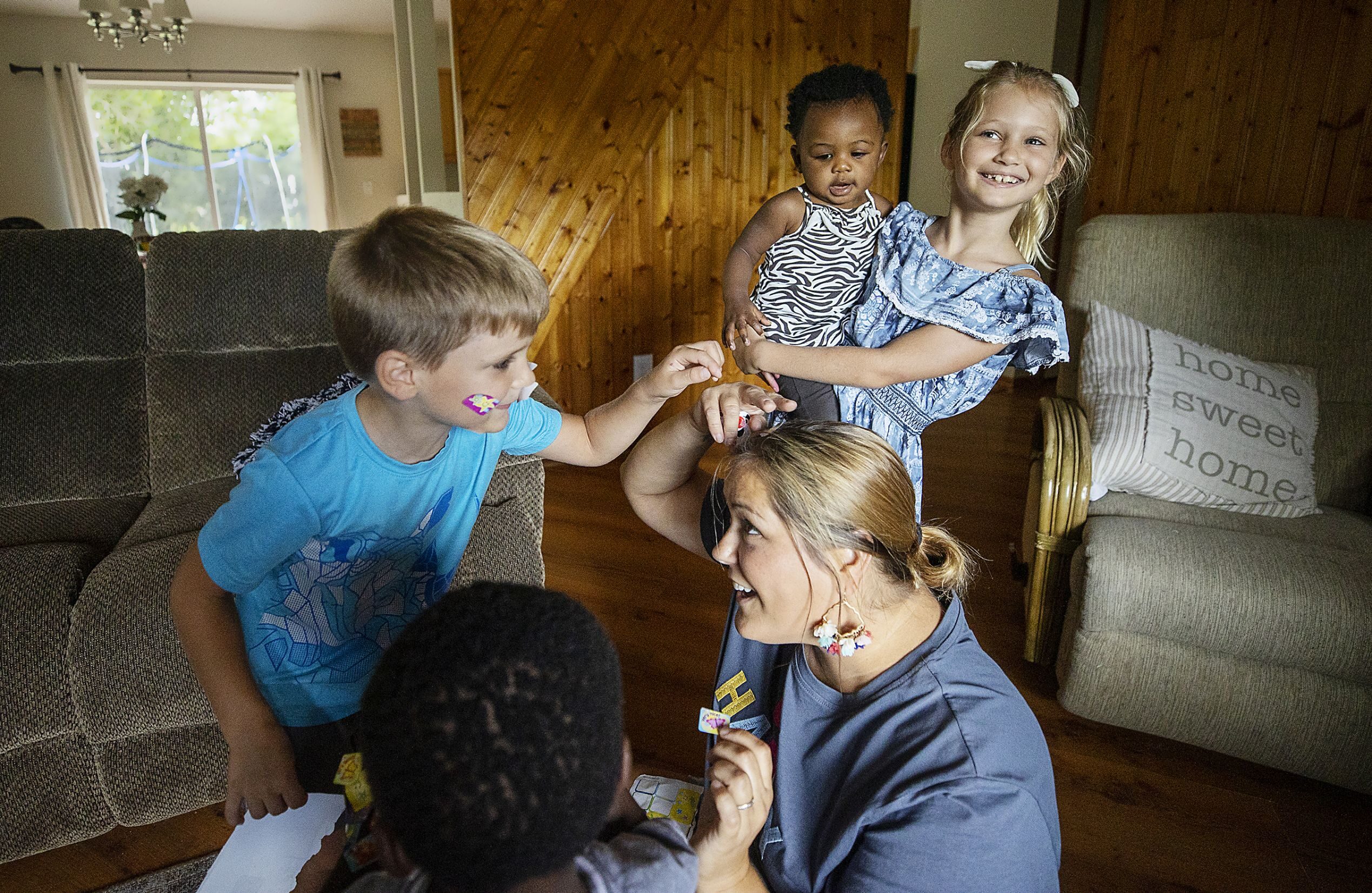
Philanthropy Should Focus on Building Stronger Families — Not Supporting Abortion Advocacy
While both sides of the abortion debate shout at each other, struggling young mothers need help now to raise their children and keep their families together.
By Megan Rose
Contributor

Supreme Court’s Abortion Decision Prompts New Challenges for Philanthropy
An important but controversial era in public policy ended with last week’s Supreme Court ruling allowing states to outlaw abortion. Philanthropy and nonprofits have played large roles on both sides of the fight over legalized abortion, and they will have even more to do as a new era unfolds.
By Leslie Lenkowsky
Contributor

With the Fall of ‘Roe,’ Abortion Rights Groups and Grant Makers Should Look Overseas for Inspiration
Recent wins for reproductive-justice movements in Latin American and Mexico offer lessons for U.S. activists about what to do next. But foundations need to first knock down funding barriers that have prevented collaboration across borders.
By Anu Kumar
Contributor

My Brother’s Troubling Story Shows Why Philanthropy Should Avoid Investing in Institutional Care
A lack of space for foster kids has triggered calls for more funding of child-welfare facilities, but that is exactly the wrong approach. These institutions harm kids and exacerbate trauma. The focus instead should be on expanding the availability of high-quality foster homes.
By Sixto Cancel
Contributor

The World Responds to Crises — but Climate Change Victims Need Long-Term Support
The devastating volcanic eruption in Tonga brought an outpouring of help in its immediate aftermath, but now resources are scarce. The few small nonprofits working in the region need others to join the recovery effort and prepare for inevitable future climate catastrophes.
By Michael P. Hassett
Contributor
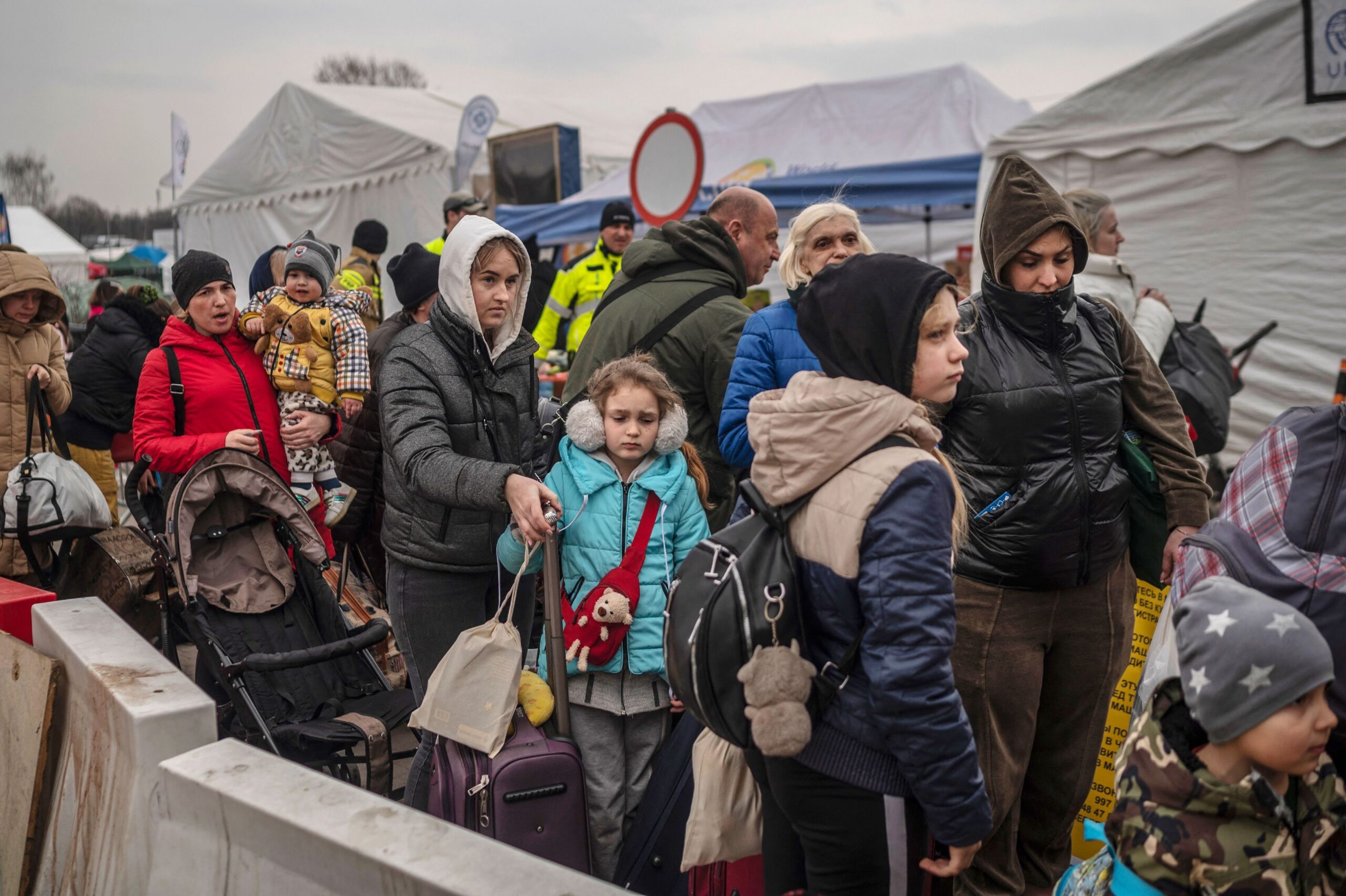
A Major Philanthropic Response Is Needed to Halt Growing Human Trafficking of Ukrainian Refugees
Vulnerable people fleeing the war in Ukraine are facing abuse and exploitation at an escalating rate. Targeted donations are needed to help them find legitimate jobs and receive other vital services.
By Suzanne Hoff
Contributor