Diversity, Equity, and Inclusion
How Highlighting Slavery’s Legacy Helped This Tiny Louisiana Nonprofit Boost Its Revenues 10-Fold
The Descendants Project used a compelling message, social media, and a personal touch to convey its unique approach to the environment and history.

By Stephanie Beasley
Senior Writer
September 11, 2025 | Read Time: 10 minutes
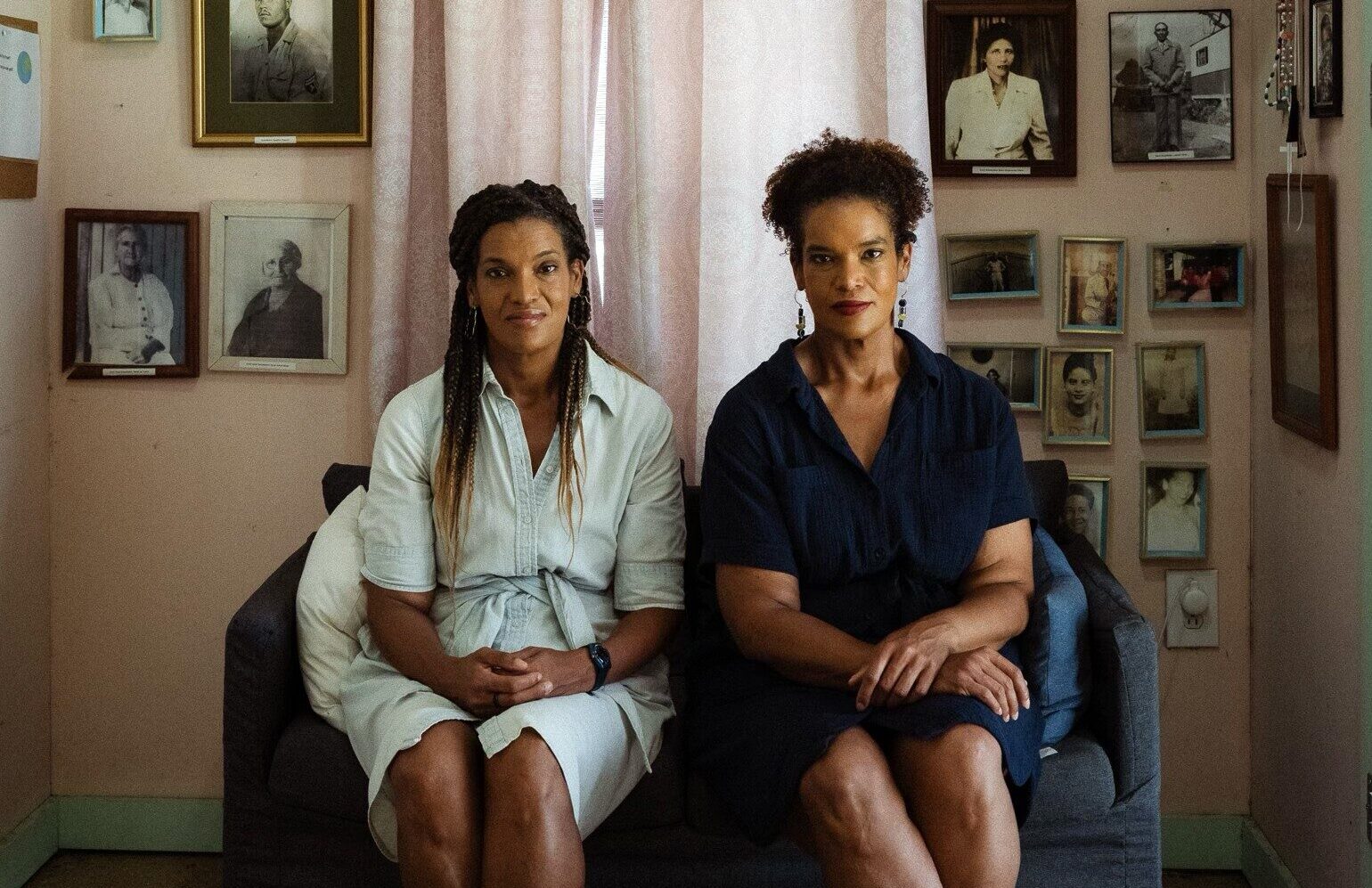
Stepping outside their homes in the small Louisiana town of Wallace, Jo and Joy Banner can look north and see giant chemical plants responsible for the region’s nickname of “Cancer Alley.” Looking east, they can see the sprawling, well-preserved Whitney Plantation.
Those two landmarks have guided the twin sisters, now 47 years old, in much of their work. In 2021, the Banner sisters formed a small nonprofit called the Descendants Project — they are descended from people who were enslaved, as are many of the residents of the area. In that short time, their fledgling organization has achieved some important successes: It purchased two plantations through which the group preserves and shares the history and ongoing legacy of slavery. And it has led a yearslong campaign that derailed a proposed grain elevator that the sisters say would have increased pollution in an area already steeped in toxins.
That quick success has been driven in large part by the sisters’ mastery of attracting media attention. The campaign to halt the grain elevator in Wallace was featured by ProPublica and National Public Radio, and Good Morning America spotlighted the purchase of Woodland and Many Waters plantations, giving their work a national audience. Meanwhile, their dual-track mission — preserving plantations so they can educate about slavery’s legacy and connect it to today’s environmental pollution — attracted support from nationally prominent grant makers such as the Andrew W. Mellon and Tides foundations and the Silicon Valley Community Foundation. As a result, the Descendants Project’s revenues have grown nearly 10-fold from just over $190,000 in 2021 to $1.8 million by 2023.
How did the Banner sisters — living in a south Louisiana town of just 560 people — win national recognition? They are masters at sharing personal, inspiring stories that speak to bigger issues. People who have worked with the Banner sisters say they consistently promote projects on social media and prioritize in-person meetings with funders. Because of their generational ties to this community, they have been successful in activating local residents to fight against polluting projects. As they pursue these goals, the pair have been vocal advocates for racial equity even at a time when the Trump administration is targeting nonprofits and grant makers that support racial justice causes.
Justin Garrett Moore, director of Mellon’s Humanities in Place program, credits the sisters’ clarity, urgency, and persuasiveness with the success they have had in reaching out to the wider world.
“They have the ability to get people to connect, understand, and be motivated to care,” Moore says. “The Banner sisters are serious. The t’s are crossed and the i’s are dotted.”
Tying History to the Present
Growing up in Wallace — a town founded by black Civil War soldiers who fought against the Confederacy and formerly enslaved people — the Banner twins would often sit on their front porch and listen to their grandparents tell stories when the girls’ parents were at work.
“They would talk about their lives growing up, like how my grandmother would have to put the cows out to pasture. Their lives growing up were quite different. And while we didn’t have those experiences, they told them to us so vividly,” Joy says. “I guess that’s the reason why me and Jo were always interested in history and in our community.”

Both sisters sharpened their messaging and narrative skills at Louisiana State University, where they majored in communications. They continued working in tourism, with Joy eventually becoming director of communications at the Whitney Plantation in Wallace and Jo taking on the role of communications manager for the River Parishes Tourist Commission. They also operated a nearby cafe where they used food as an entry point for teaching people about African American and Creole cultures. When Jo was fired from the commission, after disagreeing about the direction of the organization, the sisters saw an opportunity to start their own nonprofit to preserve and promote that history.
Within weeks of launching the Descendants Project, the sisters joined local activists trying to stop Greenfield Louisiana LLC, an agricultural company, from building an $800 million grain elevator in their Parish. The terminal would have emitted 139 tons of dust and pollution, according to Descendants Project. As the sisters regularly point out, “Cancer Alley” residents already suffer from high levels of respiratory ailments, cancer, miscarriages, infertility, and poor health among newborns.
Along the way, the sisters learned about climate and environmental regulations. “It was like learning a new language,” Joy says. “We had to learn about permitting, the Clean Water Act, the EPA, Title VI programs. Just learning all the acronyms was so hard.”
After years of public pressure, victory in a lawsuit the group filed, and revelations about the project’s potential to damage historic sites, the company withdrew its application to build its plant last year, handing the sisters and their community a big win.
This environmental fight was clearly linked to the historic preservation that had always interested the sisters. The proposed grain elevator would also have harmed historic sites, including a cemetery and the Whitney Plantation where the sisters once worked. And they say the legacy of the very racism that enabled slavery and led to the disenfranchisement of Black people during the post-slavery Jim Crow era is the same sentiment that allows polluting industries to locate in communities of color today. “We can’t talk about plantations without addressing the environmental impact of the plants that followed and the related illnesses in our population,” Jo says.
Communication Is a Winning Strategy
The sisters have deftly used their background in communications to help draw needed attention to their environmental work. They run powerful social media campaigns, have appeared often in local and national media, and participated in panel discussions. They used their Instagram account to post footage of an industrial plant with a warning to St. John the Baptist Parish residents that a similar facility could be “coming to your backyard” should the grain elevator project move forward.
They also provided tours of plantations and other historic sites to funders, members of the media, and companies and were willing to chat with almost anyone interested in their efforts.
“There was not just one tool that was going to work,” Jo says. “We didn’t turn down anything, not even a high school research paper. Nothing.”
Environmental reporter Delaney Dryfoos had a coffee meeting with the Banners in 2023, soon after starting as a Report for America fellow at the Lens, a nonprofit newsroom that covers New Orleans and the Gulf Coast. “I just found it really fascinating that there was this group founded by descendants who were working to save the heritage of their community and also save environmental public health,” Dryfoos says.
The sisters kept on top of public meeting agendas and regularly texted Dryfoos information about where and when the proposal would be discussed. It was one way to keep the community informed and keep a spotlight on this issue. “I could go to these small meetings because they were keeping such diligent track of what was on the agendas,” Dryfoos says. “Otherwise, I would not have known about them.”
A Compelling Story Attracts Funders
The sisters’ sophisticated use of media and their deeply compelling personal story have drawn grant makers to their cause, allowing them to expand their reach by purchasing two plantations and turning them into museums and events spaces. For Erin Rogers, co-director of the Hive Fund for Climate and Gender Justice, which raises funds and makes grants to environmental groups, the sisters were a natural fit. Rogers had previously been a program officer at the William and Flora Hewlett Foundation overseeing environmental grants and says she always wanted to go beyond scientific approaches and connect with human solutions.
In May of 2022, the Hive Fund provided the group with a three-year, $600,000 grant to help fund the project’s environmental work. Later that month, the Banners invited Rogers to visit the Whitney Plantation in Wallace — something they often do with existing and potential funders. The trip “not only confirmed that we’d made the right decision but also gave us even more information and stories to share with other funders,” Rogers says.
One evening, Rogers sat under a 300-year-old tree with the sisters, their parents, and extended family eating gumbo and fried fish. The Banners talked about their lives in Wallace, retelling how, as girls, they would run to catch fireflies on summer evenings.
It’s important when people come to “Cancer Alley” that they see the green, lush land along the Mississippi River that could be lost to pollution and overdevelopment, Joy says.
“That experience has been indelibly imprinted upon my soul because I just got a real sense of how rooted and connected they are,” Rogers says. “They are drawing on their culture and family and their relationships network to produce the successes that they have,”
In May, the Hive Fund renewed the group’s $600,000, three-year grant.
Other grant making groups also found the Banners’ story compelling. Solutions Project, a national nonprofit focused on climate justice, was among early funders of the Descendants Project, giving at least $196,500 for general operating support from 2021 to 2023. The Tides Foundation granted the group $275,000 for equity and human rights work in 2023. That same year, the Descendants Project received $181,000 from Resources Legacy Fund and $100,000 from the Silicon Valley Community Foundation.
Planting Roots
Preserving the land where their ancestors were once enslaved is at the heart of the Descendants Project’s mission. Last year, the nonprofit purchased the Woodland Plantation for $750,000. It was the site of the largest slave rebellion in American history. The sisters are proud that this plantation, owned by white people since its founding in 1843, is now owned by a Black-led nonprofit. While Woodland isn’t fully operational yet, more than 500 visitors have attended events there since the Banners took over.
Over the years, grant makers have helped the group acquire and maintain other historic sites. An $800,000 Mellon Foundation grant in 2022 funded the restoration of the Many Waters plantation, which includes burial grounds. It also enabled them to include an interpretive public history museum with an African genealogy center and a research station for archaeology. The grant was part of Mellon’s Humanities in Place program, which focuses on expanding the public expression of history. In recent years, the foundation has directed hundreds of millions in grant dollars toward its national effort to rethink how American history is told in public art and memorials.
Mellon also made a $1.1 million grant in 2024 (for a total of $1.9 million) to help the group create a museum and cultural center at the 1811 Kid Ory House, a previously shuttered museum at Woodland, the foundation told the Chronicle.
The sisters’ hope is that these sites will be an ongoing avenue for engaging with those interested in Louisiana’s Black communities and the challenges they face today.
Says Joy: “We now have people all over the world who know about Wallace and understand its history.”
Reporting for this article was underwritten by a Lilly Endowment grant to enhance public understanding of philanthropy. The Chronicle is solely responsible for the content. See more about the Chronicle, the grant, how our foundation-supported journalism works, and our gift-acceptance policy.