March 7, 2018 | Read Time: 2 minutes
Six years ago, the Annie E. Casey Foundation’s staff was 58 percent white. Today, that figure is 43 percent.
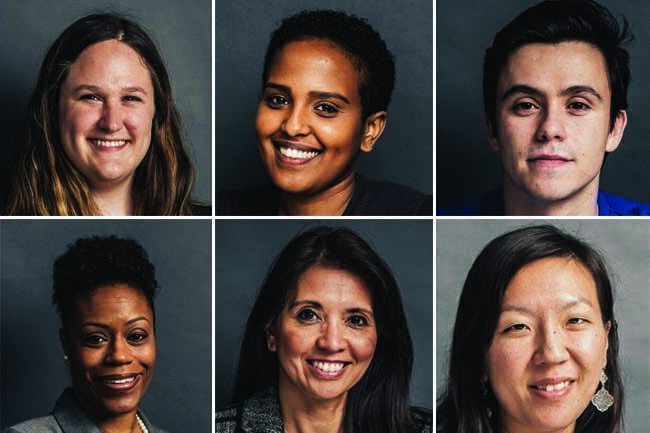
What happened? The foundation’s transformation into a majority-minority organization happened over two decades, says Kimberley Brown, director of human resources and talent strategies. Over that time, Annie E. Casey has grown a lot. Since 2012, it has added roughly 40 employees, for a total of about 200. That’s given the foundation plenty of opportunity to bring on people of color. In addition, it’s been purposeful in its recruitment and hiring.
It has earned a reputation for retaining people of color, too. This — along with the foundation’s work focused on race and ethnicity as a key in many underprivileged children’s lives — means the foundation is attractive to people of color. “The Casey brand is a way in which we attract a lot of people,” Brown says.
Here are some things the foundation does:
- Post to websites catering to diverse candidates. One of Annie E. Casey’s primary sources for collecting resumes is the Council on Foundations website. Casey often pays for an upgrade when posting there so its ads are also placed on sites aimed at people of color, women, the disabled, and other groups.
- Ask current staff to help. The foundation sometimes asks employees, many of them of diverse backgrounds, if they know anyone who is right for a particular job. The more diverse your organization becomes, the more likely it is that employees’ professional networks will be diverse, too, increasing the odds you’ll find talented people of color.
- Tap old networks. Annie E. Casey is known for its fellowship programs, like the Jim Casey Young Fellows program, which attract rising people of color. Sometimes those fellows are right for new roles within the organization down the line, Brown says. Or the foundation asks them if they know of anyone else.