Could a $5-a-Year Campaign Replace Federal Funding?
One leader’s idea to bring new funding to the arts, and why it could be a model for other fields facing government cuts.

By Brett Egan
Contributor

July 22, 2025 | Read Time: 5 minutes
Is fighting to preserve the National Endowment for the Arts still the best path toward sustainable, national support for America’s creative sector? For advocates like me who value federal arts funding, and have long viewed the agency as sacrosanct, the question stings.
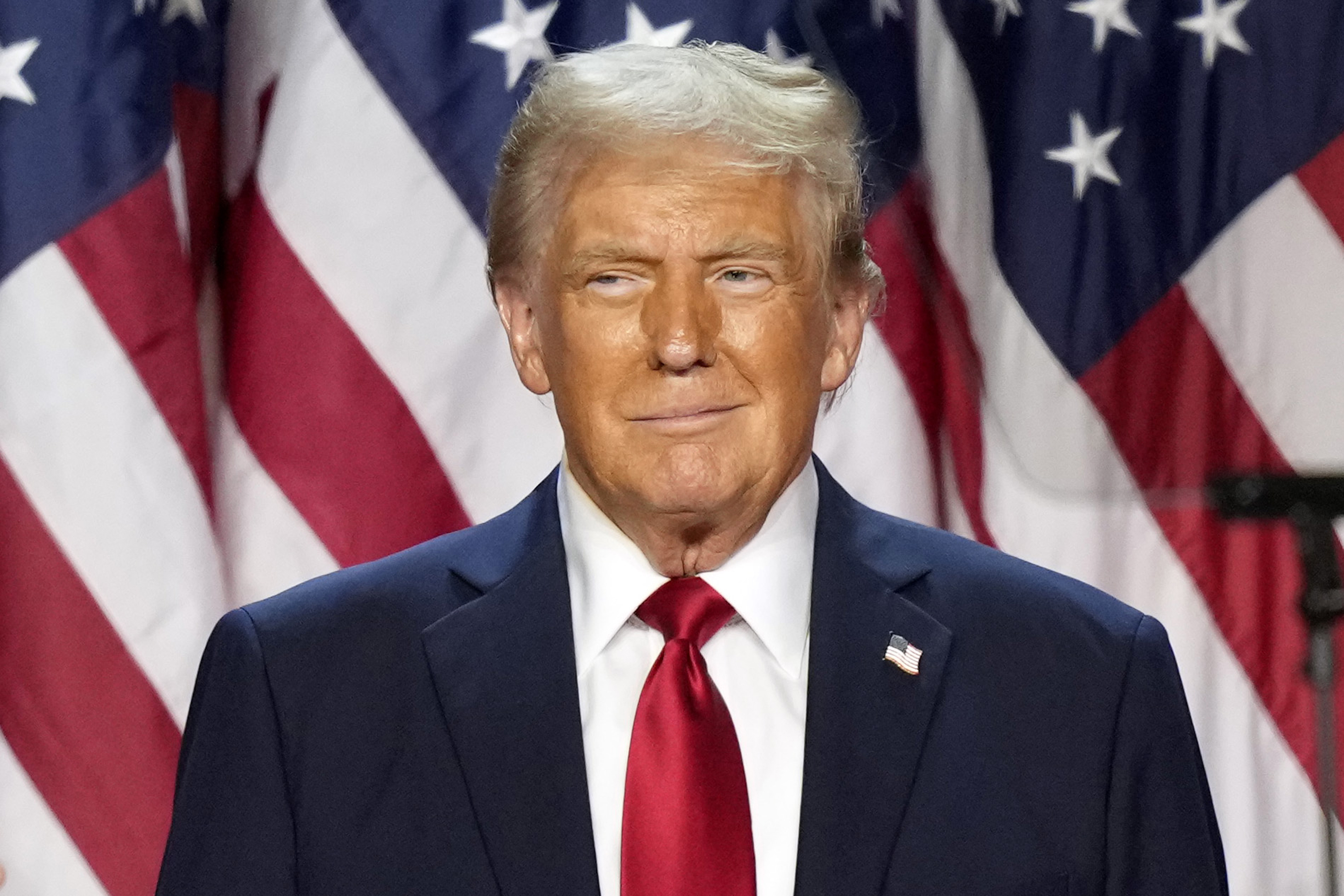
But it’s unavoidable. The NEA’s budget as a percentage of GDP is at its lowest level since its founding in 1965. In May, the Trump administration clawed back approved NEA grants with shocking ease while its 2026 budget proposes to eliminate the agency entirely. Previous congresses ignored such proposals, but it’s unlikely that this one will keep NEA funding intact.
Other pillars of federal arts funding, such as the National Endowment for the Humanities and the Institute of Museum and Library Services, face a similar fate.
Even if preserved, these agencies will be reshaped to serve a revised agenda under new funding guidelines. Future administrations may restore them to pre-Trump form, but their missions and programs will still likely see-saw between polarized administrations for generations to come.
The Rubicon has been crossed. As others have argued, in almost any scenario these agencies will cease to function as they have since their founding. Yet much of the arts and culture sector continue to focus almost solely on their preservation, ignoring the obvious truth that they can no longer be counted on as stable partners.
It’s time to accept this new reality, and the sooner the better. Only then is it possible to initiate a bold conversation with the American people about a new, complementary model for public support of the arts — one that might serve as a playbook for other nonprofit sectors rattled by today’s increasingly uncertain funding environment.
A Campaign for the Arts
So, what might a future approach entail? I propose a federated campaign to support the arts modeled after successful efforts by the Salvation Army, Nature Conservancy, and United Way. Through small contributions from Americans who care about their museums, arts organizations, and libraries, a national fund could be built that provides steady, apolitical support to these institutions.
The ask is simple: five dollars per taxpayer per year. If America’s 153 million taxpayers contributed, the campaign would well exceed the approximately $600 million in grants awarded last year by the NEA, the National Endowment for the Humanities, and Institute of Museum and Library Services combined. Public radio and television, also in tumult, could be included for another dollar or two per year. Of course, not every taxpayer would donate, but I suspect many would give more, as would corporations and foundations, making up for those who opt out.
A campaign of this scale would require a coordinated and multi-pronged approach. A new, nonpartisan entity — an independent 501(c)(3) governed by a professional staff and board of directors — could house the fund and administer campaign logistics.
National arts advocacy organizations, including Americans for the Arts, American Alliance of Museums, Theater Communications Group, League of American Orchestras, and the American Library Association, could tap their huge networks to raise awareness for the campaign. Celebrities, artists, journalists, critics, and public media could promote the initiative. And once funds are raised, state and local arts agencies could regrant the money to reach every congressional district, just as NEA grants do now. These gifts wouldn’t preclude direct support for local institutions but would supplement and encourage such giving.
Donors could give by scanning QR codes on library cards, theater tickets, and lobby windows. They could tack a dollar onto ticket purchases, round up at the museum gift shop, text to give, or contribute during National Arts and Humanities Month.
Nonprofit arts consultant Alan Brown has proposed a complementary idea: a permanent, $15 billion endowment for arts and culture organizations. Merging both concepts could also work, with an endowment formed through philanthropic gifts, augmented by an annual campaign supported by millions of arts- and library-loving Americans.
If the NEA survives, this campaign would add to stagnant federal arts funding. If it doesn’t, the fund would provide a vital lifeline for a distressed sector.
Success Stories
Raising $600 million, while significant, isn’t fantasy. Cincinnati’s ArtsWave operates a regional campaign similar in style, which in 2024 brought in $12.5 million. United Arts of Central Florida recently secured more than $9 million, with donations coming from just four counties. In cities such as Louisville, Seattle, Minneapolis, and Oklahoma City, other united arts funds have run successful citizen-supported campaigns for decades. In support of the national fund, these campaigns could even ask their donors to chip in an extra five dollars.
Using a similar approach, the Nature Conservancy raised approximately $1.2 billion in 2023 and the Salvation Army approximately $2.3 billion in 2024. Just a fraction of that would exceed the goal.
Six months ago, I’d have dismissed the idea. The arts have never excelled at national campaigns.
But times have changed. Since President Trump engineered a takeover of the Kennedy Center in February, and then dramatically downsized the NEA in May, arts policy has moved from the margins to the national stage. Not since President Johnson’s Great Society or Jesse Helms’ obscenity wars has arts policy been above-the-fold news with such frequency and voltage.
Arts leaders did not choose this inflection point. But it’s here — and it’s time to act.
Americans on both the left and the right could back this approach. Conservatives would support a citizen-driven arts funding model. Liberals would champion new, sustainable support for the arts decoupled from the current administration’s priorities. And Americans from both parties could celebrate a system that insulates funding for the arts and libraries from partisan politics.
Unthinkable six months ago, unavoidable now, this model goes beyond providing new revenue for the arts. It unites Americans through a deepened bond with their libraries, museums, and theaters.
It’s clear Washington can no longer broker a nonpartisan, national fund for the arts. Like it or not, that’s now the job of philanthropy and the American people.