March 7, 2018 | Read Time: 2 minutes
The national nonprofit Sage used to recruit board members based on fairly typical qualifications: fundraising ability, big-gift potential, financial and marketing experience, and the like.
Race, ethnicity, and gender identity weren’t part of the equation. “People were uncomfortable, frankly, talking about those things,” says Michael Adams, chief executive of Sage, which works to improve the lives of older LGBT adults.
Today, Sage talks openly — and with unusual specificity — about diversity. Four years ago, it created a document that spells out what it considers the ideal board. The contents of this “Aspirational Board Composition Profile” are confidential, but it includes numerical targets for race, ethnicity, and gender.
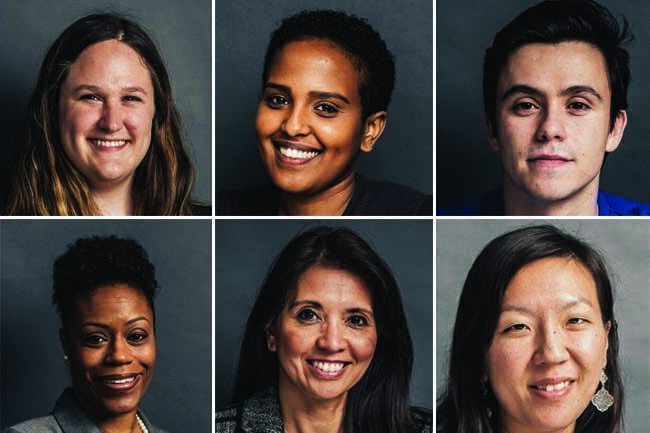
It also has goals for the number of people who are transgender, straight, disabled, young, old, and living with HIV/AIDs, not to mention targets for geographic diversity and traditional qualifications such as the ability to make big gifts.
A big question for board members as they created these targets: Were they building a quota system? Quotas are controversial, and Sage ultimately decided it would not use the numbers as strict floors or ceilings. For instance, though the document calls for a minimum number of people of color, the board will not limit itself to that number.
Members need flexibility, Sage argues, but also guidelines. “The board had a clear understanding that without benchmarks for what success looks like, it’s really hard to achieve success,” Adams says.
Still Aspirational
Today, the profile is a constant reference point for board nominations. “When you look at it, you can see where we’re falling short,” Adams says.
For instance, the last three people to join the board were men, so the board has focused recently on recruiting women. Sage currently has no transgender board members or people with disabilities. It’s also low on its targets for straight people and racial diversity.
Still, it has made progress: Two of the five executive-committee members are African-Americans. A few years ago, they were all white.
Thanks to term limits, fresh blood is cycling through constantly. That brings more opportunities to add diverse members. But that also means progress can vanish quickly.
Says Adams: “This is why this work will never end.”