Big Funders Pour $56 Million Into Civics at a Fractured Moment
Ahead of the nation’s 250th birthday, the effort aims to rekindle learning, engagement, and action through support of a growing network of civic organizations.

By Drew Lindsay
Contributor
September 15, 2025 | Read Time: 5 minutes
Keep up with everything happening in The Commons by signing up for the Chronicle’s Philanthropy Today newsletter or our weekly Commons LinkedIn newsletter.
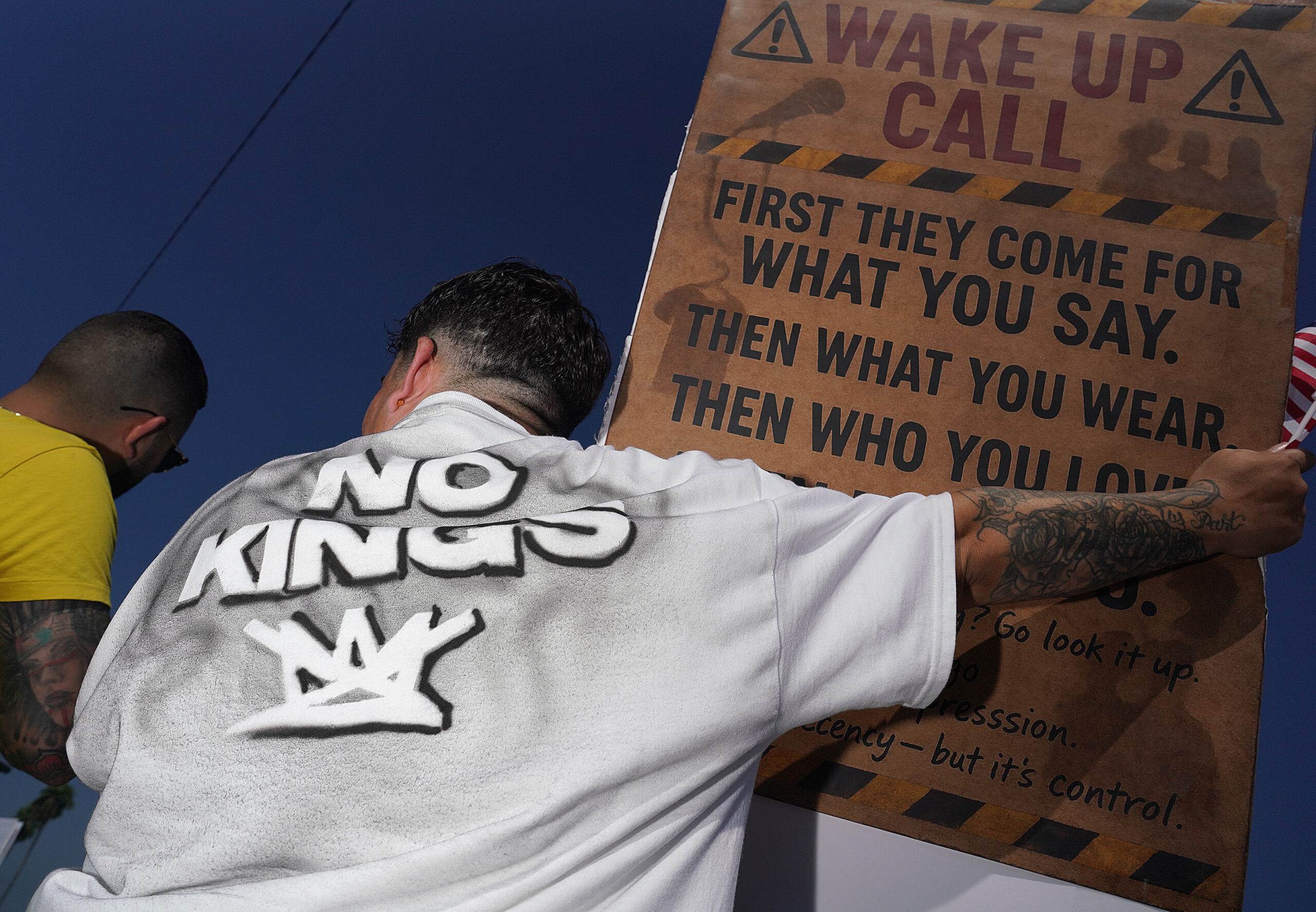
Just months ahead of the nation’s 250th birthday and days after the killing of conservative advocate Charlie Kirk, major funders on Monday announced an investment of more than $56 million in civic renewal aimed at strengthening democracy.
The long-planned pledges by the Bezos Family Foundation, the Carnegie Corporation of New York, and Stand Together will expand civic learning and service opportunities and fund a network of groups that’s been quietly growing for more than a decade. The money will go to traditional civics education, like curriculum and instruction in K-12 schools as well as higher education. But it will also fund work to engage young people in community and government work and teach what can be done through civic action.
“If Americans don’t understand democratic norms, values, and institutions, you can’t have a democracy, which is a demanding form of government,” said John Bridgeland, CEO of More Perfect, an alliance that promotes civics, national service, election reform, efforts to bridge divides, and trusted news and information. “But you also need opportunities to exercise your civic muscles.”
Community service brings people together across differences to work together, Bridgeland said. “I can’t think of a more important time in my lifetime to remind the country of that.”
Sarah Cross, a senior vice president at Stand Together, agrees. “Simply by inviting Americans back into civic life and creating the habit of civic engagement in kids’ lives from an early age — that’s providing a powerful inoculation against the kind of ugliness that we see now.”
Stand Together has funded civic learning for years, Cross added, but it is expanding its work with the goal to create “a playbook for empowerment, a playbook for living out your unique pursuit of happiness.” Among other things, it will support the Civic Star Challenge, a partnership between the Bill of Rights Institute and the civic-education group iCivics that encourages kids to take up community projects. It’s also working with U.S. Soccer to train coaches as youth mentors who deepen the bonds that organically develop in team sports.
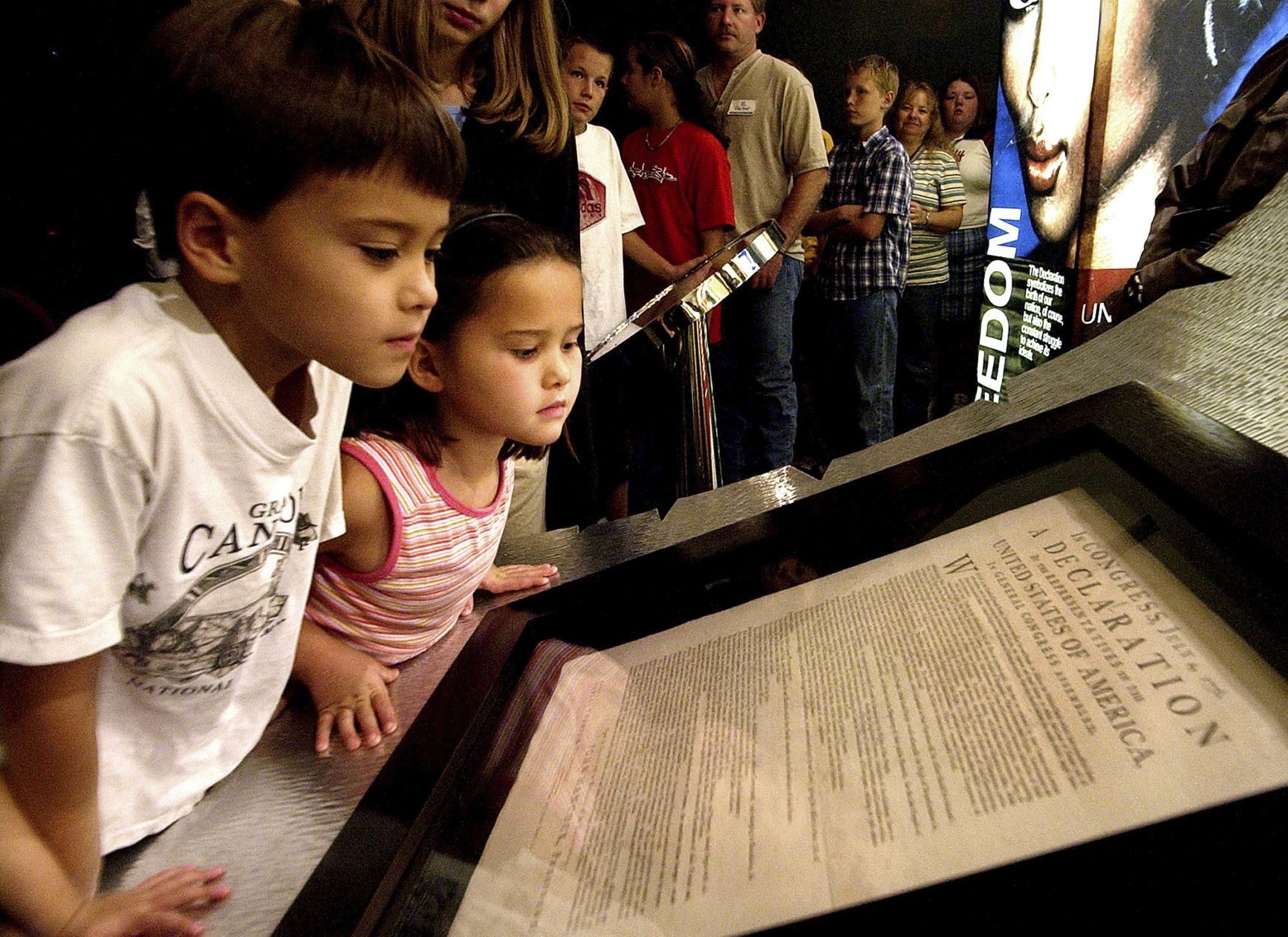
Other work that could get funding through the new initiative includes: expansion of National Constitution Center programs for rural and remote communities; a Declaration of Independence book club organized by historians at Thomas Jefferson’s Monticello; and promotion of year-round national service opportunities in more than a dozen states.
Enthusiasm for civics has waxed and waned, and this effort is not the first of its kind. Bridgeland was in the George W. Bush White House after the 9/11 attacks and was tasked by the president to lead efforts on national service, history, and civics.
Since then, Bridgeland says, a strong civics network has emerged with the startup of organizations such as the Jack Miller Center, which now hosts an annual civics education summit, and Generation Citizen, which promotes community-based work with young people.
Most notably, Sandra Day O’Connor, the late Supreme Court Justice, started iCivics in 2009. It’s now working with teachers in every state.
Harvard democracy scholar Danielle Allen leads several efforts to build civics instruction curriculum and infrastructure. In a Commons in Conversation interview this summer with the Chronicle, Allen said she was inspired by the reaction of night-school adult students to an exploration of the Declaration of Independence. “It’s a story of agency, and my students saw that immediately and took it and ran with it.”
A Bipartisan Cause?
Americans on both sides of the political aisle see civics education as important to democracy, according to polling. The new philanthropic effort is billed as cross-ideological. Stand Together is a philanthropy of billionaire Charles Koch, who holds generally libertarian views, while Carnegie is generally considered a left-of-center grant maker. The Bezos Family Foundation is the philanthropy founded by Jackie and Mike Bezos, Jeff Bezos’s late mother and her husband, and focuses on children and youths.
Many of the grants will be distributed through More Perfect. Staff and advisers to the organization include prominent cultural figures (filmmaker Ken Burns and PBS correspondent Judy Woodruff among them) as well as political bold-face names from across the spectrum (including Obama White House domestic policy chief Melody Barnes and former Secretary of State Condoleezza Rice, who served under President George W. Bush.)
“At a moment when our country stands so divided, with far too many young people feeling alienated from the institutions of government, civics education represents an initiative that has strong bipartisan support,” Carnegie president Dame Louise Richardson said in a statement.
But questions about how to interpret America’s history and founding are by no means settled.
The conservative Heritage Foundation has stirred controversy with a forthcoming line-by-line analysis of the Constitution that reportedly promotes “originalist” interpretations of the Constitution and showcases conservative adherents as potential Supreme Court nominees for President Trump.
Equity advocates, meanwhile, are looking to the country’s 250th anniversary as a new “founding moment” that will deliver on the founding fathers’ promise of equality for all. “Each and every one of us must be founders of a nation yet to be birthed,” Michael McAfee, CEO of PolicyLink, said at the organization’s Equity Summit last year.
Cross describes an “oftentimes nasty culture-wars debate, and a debate between the extremes around who controls and develops the curriculum that teaches our future citizens.” But she said the diversity of the funders involved in the new effort suggest there is common ground.
“We can agree on what a good, healthy civic learning agenda looks like, and that this is worthy of support and that this is an important part of the answer to getting out of this crisis of division.”
The Commons is financed in part with philanthropic support from the Arthur M. Blank Family Foundation, Einhorn Collaborative, and the Walton Family Foundation. None of our supporters have any control over or input into story selection, reporting, or editing, and they do not review articles before publication. See more about the Chronicle, the grants, how our foundation-supported journalism works, and our gift-acceptance policy.