Cultural Preservation in Disasters, War Zones Presents Big Challenges

By Eden Stiffman
Senior Editor
May 11, 2015 | Read Time: 9 minutes
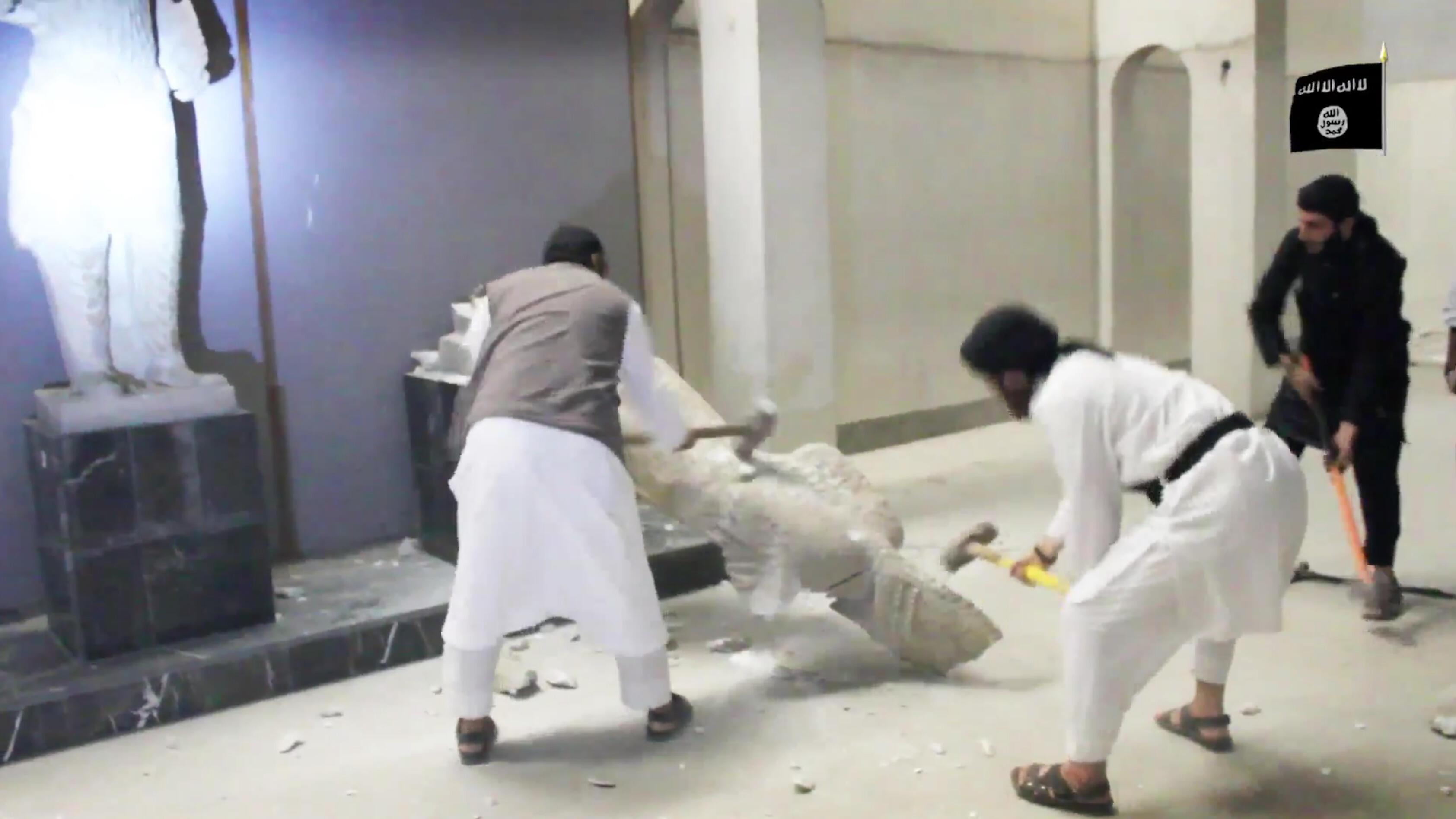
The last six months have been a time of severe cultural heritage destruction. The self-proclaimed Islamic State has brazenly targeted ancient buildings and works of art in Iraq and Syria, and more recently, the earthquake in Nepal flattened historic temples.
But donations for cultural preservation aren’t keeping up with need, advocates say, despite recent infusions of financial support.
Historically, few grant makers and donors have supported emergency cultural-heritage preservation, and leaders of nonprofits in the field say fundraising remains a challenge. They contend more awareness is needed in the philanthropic community about how to address cultural heritage in crisis — both in conflict and after natural disasters.
‘Is there going to be anything left?’
In the last few months alone, Islamic State militants destroyed parts of the ancient cities of Nimrud and Hatra in Iraq. In Syria, fighting between government and opposition forces has led to exterior damage of the medieval Krak des Chevaliers castle — built during the crusades — and many of the religious artifacts inside.
“With things being destroyed so actively, I think everyone wonders, ‘Is there going to be anything left to restore once there is a period of stabilization?’” said Andy Vaughn, executive director at the American Schools of Oriental Research, or ASOR. “That has been a real concern, and I think it’s a valid concern.”
ASOR, a nonprofit consortium based at Boston University, launched a heritage initiative for Syria and Iraq last year thanks in part to $756,000 in U.S. State Department funding. The effort is an international collaboration of scholars working to document damage, promote global awareness, and plan emergency and postwar responses. The current focus is creating a database of at-risk archaeological sites in Syria using ARCHES, an open-source mapping system developed by the Getty Conservation Institute and the World Monuments Fund.
As the coalition considers how to expand over the next two years, Mr. Vaughn said he’ll spend more time meeting with foundations and individual donors. “The situation is so bad that everyone is truly wanting to do what they can,” he said.
Iraq War Lessons
In 2003, Corine Wegener, then a curator at the Minneapolis Museum of Arts and an Army reservist, was mobilized as an Arts, Monuments, and Archives Officer to help protect the Iraq National Museum as part of Operation Iraqi Freedom. Thieves had looted an estimated 15,000 items from the museum, including antique bronze sculptures and ancient Assyrian, Babylonian, and Mesopotamian artifacts.
U.S. troops had no training in cultural preservation, Ms. Wegener said, and there was little help from nonprofits or other international organizations.
“How is it possible that there’s not some form of Doctors Without Borders for cultural heritage?” she recalled thinking upon her return. “This work is not like the church that goes for two weeks to build houses in Haiti, where you take people who have some basic carpentry skills…. When you’re doing a disaster assessment of cultural heritage assets, you really need trained conservators, logistical support, security.”
Her experience led to the formation of the U.S. Committee of the Blue Shield, a nonprofit initially created to lobby for ratification of the 1954 Hague Convention, an international treaty designed to protect cultural heritage during conflict, which the United States did not sign until 2008. Over time, the organization shifted its focus to providing training for troops, and it also helps create lists of culturally important sites for the Department of Defense to avoid striking when possible.
From the start, fundraising was the biggest challenge for the Blue Shield, which is led by volunteer scholars, said Ms. Wegener, who now works in cultural heritage preservation at the Smithsonian Institution.
Crisis Response
Amid other emergency issues caused by disasters, there’s a significant gap between what donors are giving and the needs that the professional community is trying to meet, advocates say. Some people question whether organizations should protect heritage sites while people are still suffering during major humanitarian crises. The preservation community, however, sees its work as complementary.
“Saving people also means saving their heritage,” Ms. Wegener said. “You can’t separate these things.”
The 7.8-magnitude earthquake that struck the Kathmandu valley on April 25 flattened many of the country’s historic temples and palaces. Donors have responded to the humanitarian crisis, and the cultural heritage preservationists are considering next steps.
Nepalese government archaeologists have begun assessing the losses, and the Smithsonian has offered assistance. “There is a golden hour for doing this kind of work,” Ms. Wegener said. “You don’t want to get in the way of saving people, but often you have a limited amount of time before the cost-benefit is probably not worth the conservation costs … You have to have money in the bank or you’re going to be late in the game.”
The Haitian earthquake in January 2010 was a turning point for the conservation community. As president of the Blue Shield at the time, Ms. Wegener convened a meeting with officials from museums, libraries, and government at the American Association of Museums in Washington. As the question went around the room, it became clear that nobody had plans to do anything in response.
But Richard Kurin, the Smithsonian’s Under Secretary for History, Art, and Culture, had been in touch with Haitian colleagues who had asked for help. The result was that for the first time, cultural heritage got a small percentage of the U.S. government’s humanitarian budget. However, private donations from the nonprofit Broadway League ultimately made the Smithsonian’s project possible, as Mr. Kurin wrote in Saving Haiti’s Heritage: Cultural Recovery After the Earthquake, a book highlighting some of the fundraising challenges.
Armed Conflict
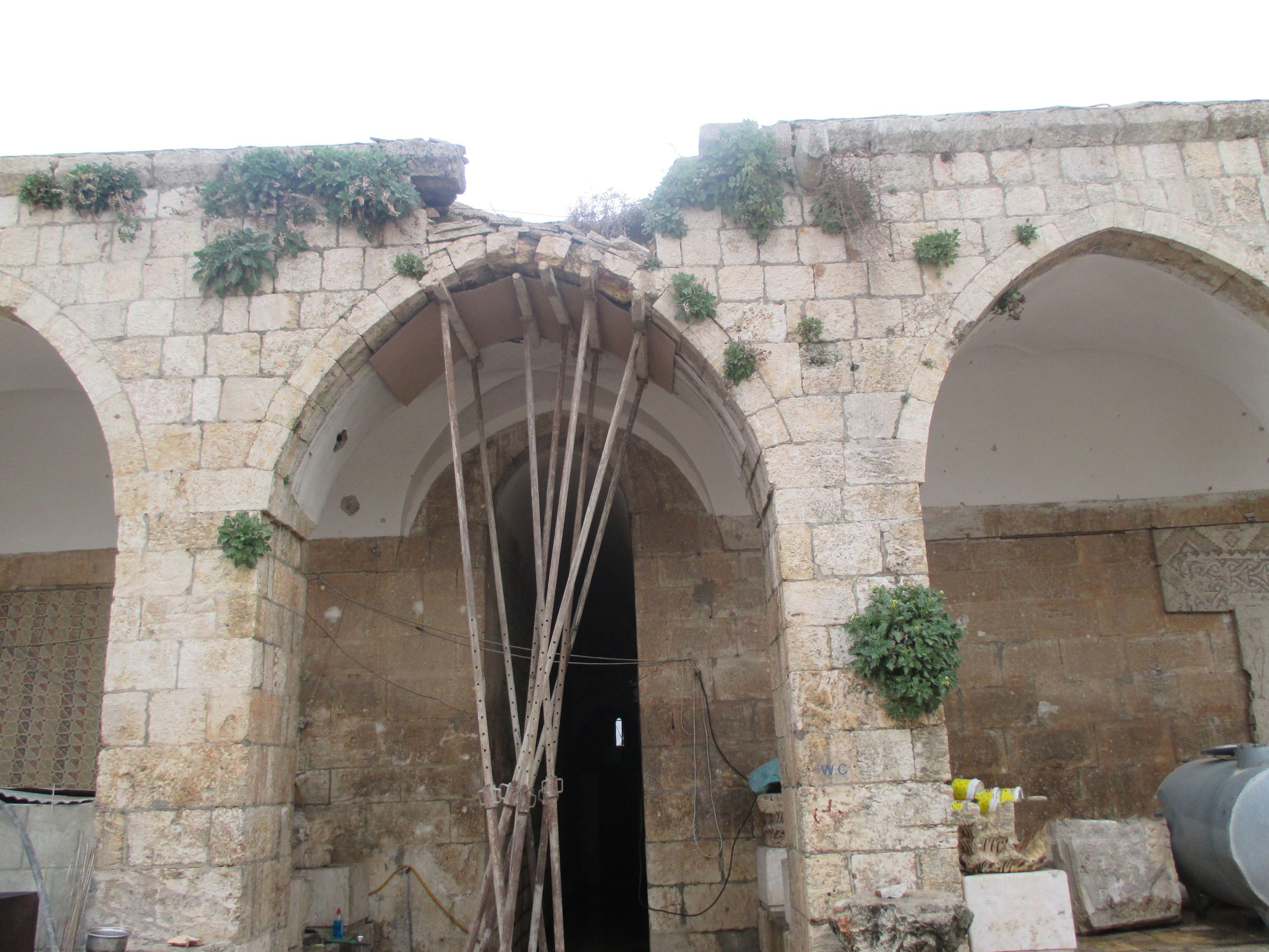
Armed conflicts pose particular challenges for cultural preservationists. Some donors are nervous about supporting efforts in nations that the U.S. government has branded as sponsors of terrorism. Others wonder how much can be accomplished in an active war zone.
“There’s a perception oftentimes that nothing can be done in a conflict — that there’s actually a need to wait,” said Brian Daniels, director of research and programs at the Penn Cultural Heritage Center, a research division at the University of Pennsylvania Museum.
The Center is a partner in the Safeguarding the Heritage of Syria and Iraq project, or SHOSI, which brings together the Smithsonian Institution, the American Association for the Advancement of Science, the U.S. Institute of Peace, and the Day After Association, a Syrian-led civil society group, to support the professional community on the ground in Iraq and Syria. (Sotheby’s recently gave $75,000 to the Smithsonian in support of the project.)
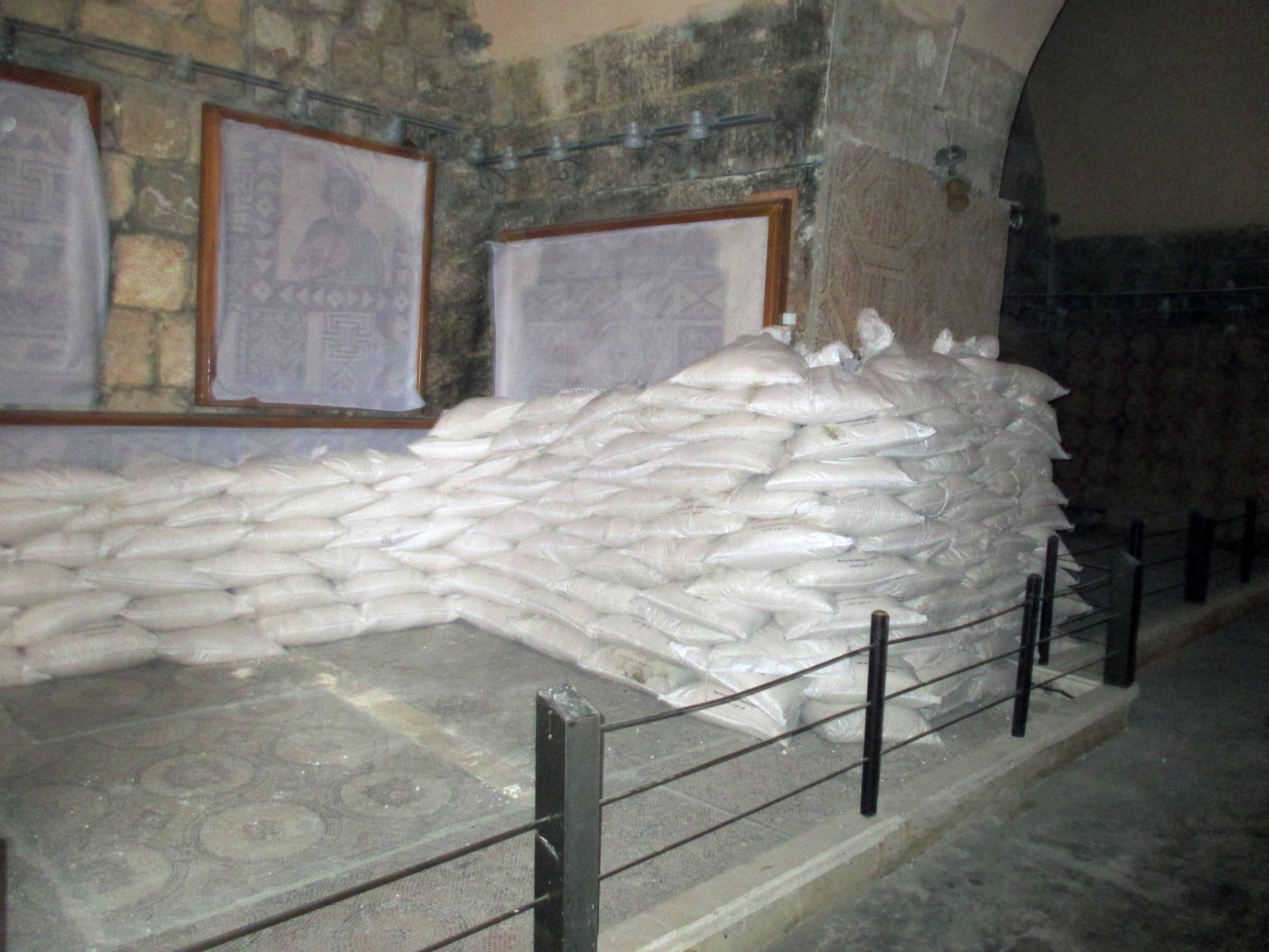
Among its recent successes, SHOSI has worked to secure the Ma’arra Museum, south of Aleppo in Syria. The museum has been damaged by bombings and attacks from ISIS and the al-Nusra Front, a branch of Al Qaeda in Syria, but still houses a well-preserved collection of Roman and Byzantine mosaics. The group sent a team to fix damaged artifacts and protect the remaining mosaics, stacking sandbags inside the museum’s walls.
“I am very much trying to emphasize that we are doing this responsibly, we are doing this legally, and their dollars can make a difference right now,” Mr. Daniels said of his conversations with donors. “It really is dependent on whether or not the foundation is keyed to emergency response right now. Some are, and some just aren’t.
The New York City-based J.M. Kaplan Fund, which has supported other cultural heritage projects, has recently stepped up as a leading emergency donor. Since 2014, the foundation has given a total of $139,000 to four nonprofits supporting preservation in Iraq and Syria.
“We were approached by our cultural heritage colleagues with specific, time-sensitive projects,” said Ken Lustbader, a program officer for historic preservation at the Kaplan Fund. “Our response was based on their expertise and capacity to address an identified need without delay.”
Another problem: Volatile, unpredictable situations with immediate needs often don’t fit well with foundation funding cycles.
“I’m concerned with a museum curator coming to me and saying, ‘I need to stand by my collection because there’s a risk that there’s going to be armed conflict in this town in three months,’” Mr. Daniels said. Or, “‘This archaeological site that I’m monitoring has been looted out and I want to try to document the looting damage and the stuff that’s been left here.’”
“If a grantee won’t be named for three or four months, I can guarantee you the situation will have changed,” he said. “If I can plan out eight weeks in advance, I’m doing very well.”
Working Together
Prior to the recent reports from Syria, the heritage preservation field had not done a good job of organizing as a unified front. “This has been one of the few moments when there was some readiness to actually try to implement programming,” said Mr. Daniels.
Mr. Vaughn, of ASOR, said he’s also encouraged by the reciprocity and willingness to collaborate, which is “substantively different about this conflict, as opposed to other heritage disaster moments.”
He’s been having discussions with other organizations about finding funds for a summit of groups supporting the work in Syria and Iraq.
“We really need to do everything we can to reduce the duplication of effort,” he said. “This is part of the international community’s humanitarian response, to show the people whose cultural identity is under direct attack that the international world cares. There’s enough work for everyone to do, and we ought to figure out how we can cooperate to do it.”