

September 19, 2010 | Read Time: 2 minutes
The slate of movies about to be preserved by the Film Foundation reads like a cinephile’s dream itinerary: the lushness of Federico Fellini’s Italy in La Dolce Vita, the rural romance of Elia Kazan’s Tennessee Valley in Wild River, and the opulence of Satyajit Ray’s India in the historical drama The Chess Players.
In fact, they are one particular film lover’s dream come true—the Oscar-winning filmmaker Martin Scorsese. Margaret Bodde, the foundation’s executive director, says the director loves preserving movies so much “he would do more, if it wasn’t for the fact of these pesky films he’s gotta direct.”
What began as a project by Mr. Scorsese in the early 1970s to protect the films that first ignited his interest in cinema soon became part of a larger recognition that film preservation needed the clout of established and popular filmmakers if restoration was going to be a sustainable process.
So the Film Foundation, whose board includes Mr. Scorsese and other high-profile directors such as George Lucas, Robert Redford, and Steven Spielberg, set about raising money and attention to conservation needs.
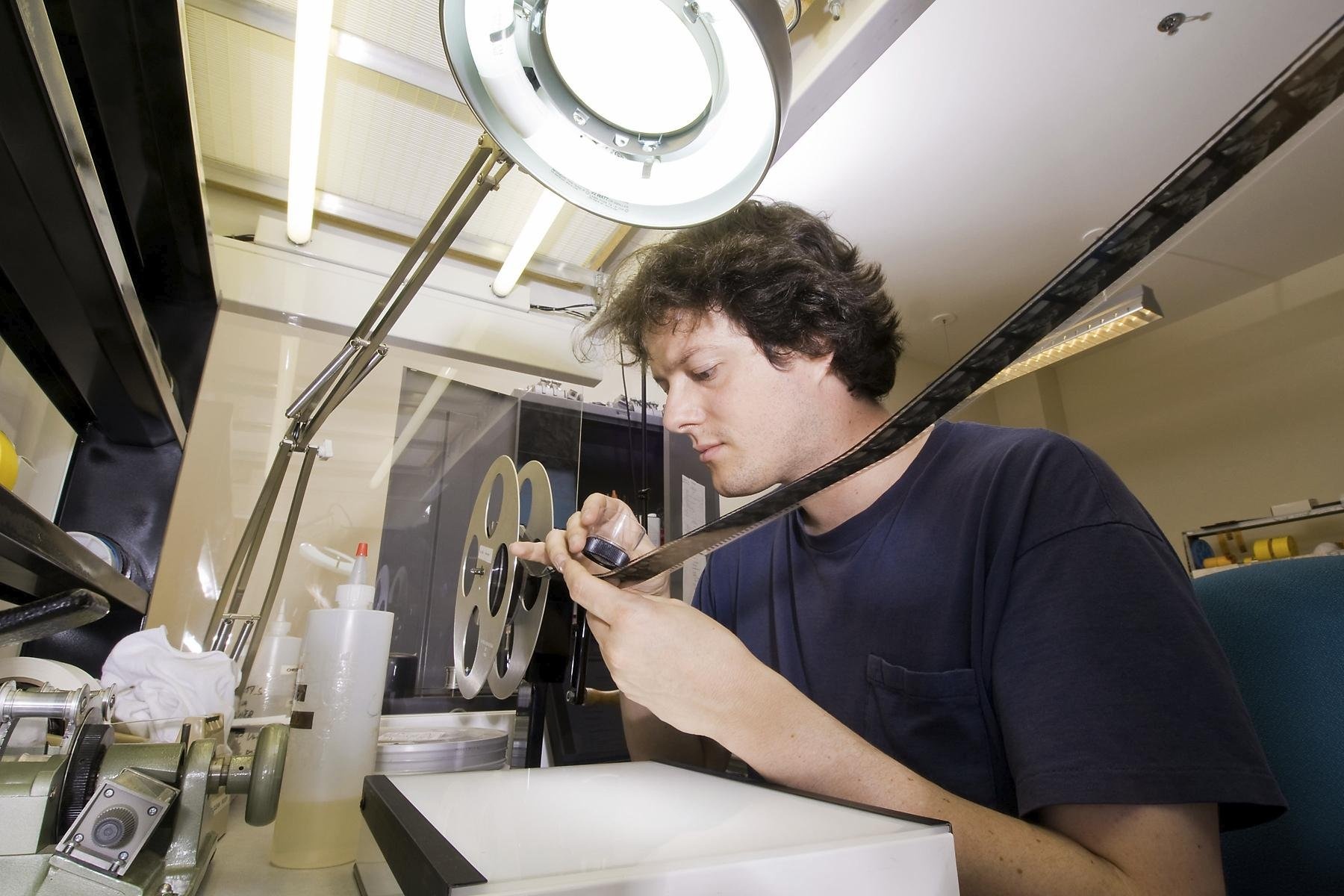
For the organization, located in Los Angeles and New York, restoring and preserving deteriorating movies whose images have been plagued by fading colors, shrinkage, age, and even mold extends beyond simply making them viewable again. Protecting these films, say the group’s officials, is akin to conserving the eras embodied in those works of art.
But it’s not easy, and it’s not cheap. While the expenses depend on the amount and type of damage, restoring a black-and-white film photochemically and using a traditional laboratory can cost $40,000 to $70,000.
Color films cost much more, ranging from $75,000 to several million dollars, and needing anywhere from six months to a few years to restore.
The most expensive project the foundation has undertaken has been the restoration of 1948’s The Red Shoes, a landmark Technicolor film and a childhood favorite of Mr. Scorsese’s, about a young ballet dancer torn between love and fame. He has repeatedly cited the film as a key influence on his own work. (“It keeps giving me the energy to keep moving on,” he told the British newspaper The Independent in an interview about The Red Shoes last year.) Ultimately, restoring the film cost hundreds of thousands of dollars.
Most of the organization’s annual budget of more than $2-million comes from corporations, including American Express and Gucci. IBM is also a major supporter of the organization’s educational curriculum, “Story of Movies.” The curriculum helps middle-school and high-school students “learn how to read a film, to teach them the language of film and the unique nature of cinema and its historic and cultural and sociological relevance,” says Ms. Bodde.