Charity Innovation Has Many Rewards
April 9, 1998 | Read Time: 2 minutes
To the Editor:
As Paul C. Light noted in his commentary (“Charities Must Make Innovation an Ordinary Act,” March 12), by erecting needless barriers to new ideas, many non-profits “become towering monuments to the status quo they once sought to challenge.” How sadly true that is.
Rather than innovate, too many non-profits seek the safe haven of mediocrity. They simply don’t take risks, and change is often viewed as difficult and costly. The private sector abandoned that notion a long time ago when it became clear Americans would no longer buy U.S.-made automobiles that rusted and fell apart in three years.
Our organization also abandoned this notion and redesigned the way we did business. We empowered our employees to make decisions, listened carefully to our customers (formerly known as clients), flattened our administrative hierarchy, and threw out all the old rules. We encouraged and celebrated innovation, and, most importantly, allowed our staff to make mistakes. We replaced fear of the unknown with an infectious excitement for the future and a focus on customer service.
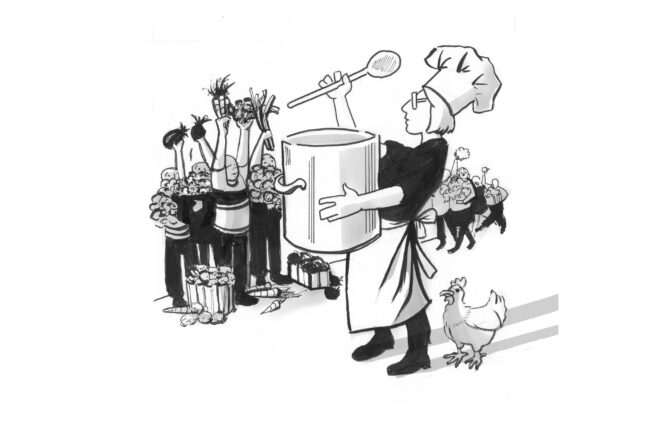
As a result, our child day-care center now stays open to 11 p.m. to accommodate parents working non-traditional hours. We created a tax-paying, for-profit catering business to fund our non-profit culinary-arts training program and create our own wealth. We enrolled those with traumatic brain injury in our adult day-care program for elderly people with Alzheimer’s disease to fill open slots. We designed unique fund-raising events donors actually love to attend and support. And we launched collaborative housing-rehabilitation projects with our city government that leverage funds beyond our wildest expectations.
The real victims of non-profit mediocrity are those we are supposed to serve. The fact that many of our nation’s social ills persist is largely the result of the lack of vision and innovation in the non-profit sector.
We must set the bar a lot higher in the non-profit sector. Common practices no longer work. The old ways of doing business should not be funded. We must rethink, reconsider, and redesign, especially in the inner city.
Despite billions spent on social-welfare programs in our nation’s urban centers over the past 30 years, poverty, unemployment, drug abuse, domestic violence, and despair are rampant. It’s not money; it is largely the lack of innovative thinking, vision, and risk taking on the parts of non-profits.
And as Mr. Light notes, you begin first by paying careful attention to management. Once a solid management structure is laid, then and only then can you innovate. The ability to execute good ideas is dependent on having your fiscal and administrative house in order.
And when you’re ready to innovate, go to your front-line workers. They usually have the best ideas. They are often the real innovators in any organization.
Kenneth H. Cowdery
President
Clarkson Center
Buffalo, N.Y.