The Counterculture That Could Stop Political Violence
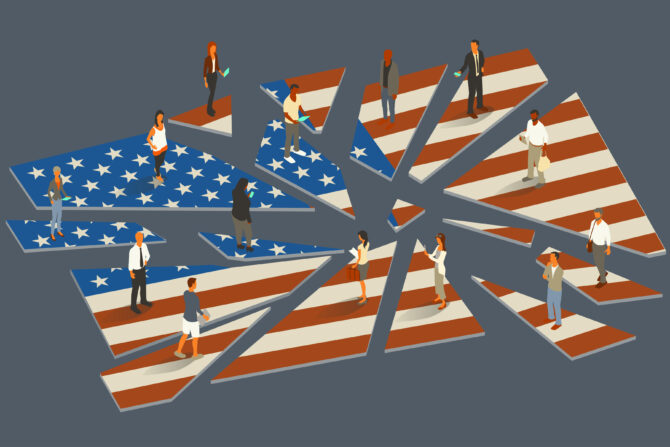
Amid the rage that followed Kirk’s assassination, some young people are building a hopeful movement that could push the country away from hate and toward the change philanthropy seeks.

By Manu Meel
Contributor
September 16, 2025 | Read Time: 6 minutes
Keep up with everything happening in The Commons by signing up for the Chronicle’s Philanthropy Today newsletter or our weekly Commons LinkedIn newsletter.
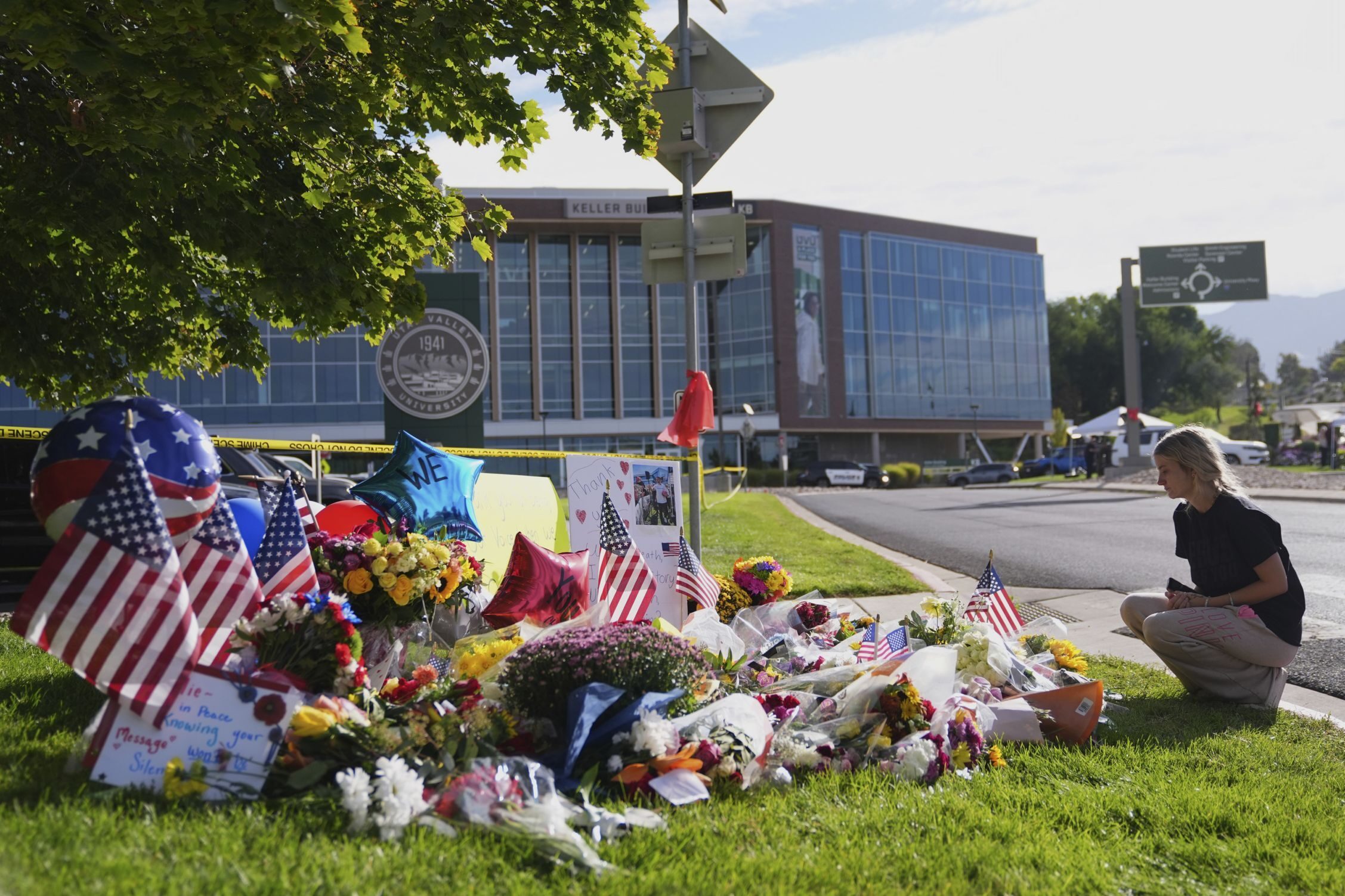
Since last week’s tragic assassination of Charlie Kirk, I have heard from college students across the country who lead college chapters of my organization, BridgeUSA. It’s an ideologically diverse group of young people on 94 campuses who last year engaged over 21,000 fellow students in constructive dialogues about some of the most difficult issues facing the country.

What I have heard from them is radically different from the mainstream narrative. While the media uplifts the loudest voices from the most temperamentally extreme perspectives, the majority of young people are seeking constructive dialogue. Students are delivering a unifying and resounding message about political violence: This has to stop. Theirs is not a naive call for bipartisanship but a hardened recognition that their physical safety might very well depend on America’s college campuses embracing a culture of pluralism.
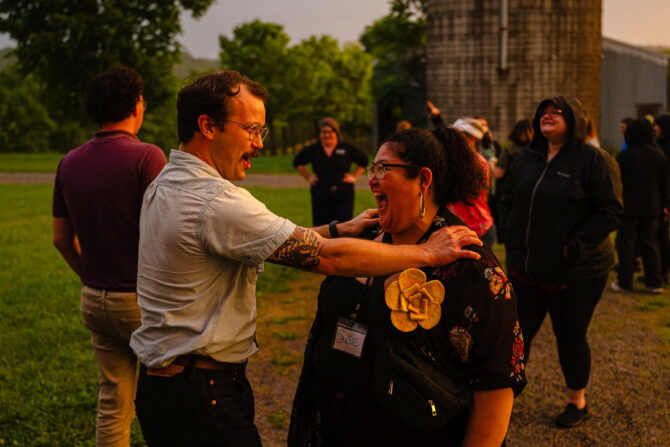
At the University of Missouri, as students from across the political spectrum gathered and processed Kirk’s assassination, they remained curious about each other’s viewpoints. At San Jose State in California, students declared that conversations like theirs — across differences, conducted with respect and curiosity — are vital to curbing dangerous polarization.
These campus gatherings — and the students’ resolve — illustrate a counterculture emerging at colleges and universities nationwide, one that embraces dialogue and stands ready to transform the toxic ways that the country handles disagreement. Indeed, students are ready to lead a cultural transformation of American civic life — if their movement isn’t overwhelmed by the forces pushing us toward greater division and violence.
Roots in Gaza War
This counterculture was brewing after the Hamas October 7, 2023, invasion of Israel and the subsequent Israel-Palestine protests: The students in BridgeUSA chapters on 21 campuses facilitated discussions not to create false compromise or force anyone to defend their existence but to establish foundations for uncovering solutions that seem unthinkable today.
This movement is nurtured by philanthropy-backed organizations like Interfaith America, Constructive Dialogue Institute, and the Institute for Citizens and Scholars. It is promoted by brave university administrators and faculty championing pluralism as a core value. And, most important, it is vibrant amongst millions of young people desperately seeking an alternative to the status quo.
Don’t take my word for it — 94 percent of students believe we should listen with open minds, and 90 percent agree that despite our differences, we can understand each other’s experiences through listening and empathy, according to research from More in Common and the Constructive Dialogue Institute. These aren’t the numbers of a generation that’s given up on democracy — they’re the foundation of a movement ready to revive it.
This new counterculture rejects the post-2016 norm in which “resistance” — meeting differences with hostility and seeing disagreement as an existential threat — became the organizing principle across the political spectrum. Instead, these students are pioneering something radical: treating disagreement as an opportunity for learning rather than war.
Transformation of America
College students have always been at the forefront of American social change, from the civil rights movement to the anti-apartheid campaigns to the conservative awakening Kirk himself helped lead. Now they’re pioneering a movement that puts pluralism at the center of American politics
More From The Commons
The ripple effects will transform our broader society. Free speech, income inequality, threats to democracy — we won’t find solutions to these challenges if we stay in our echo chambers. They require the sustained collaboration that only comes when we see political opponents as fellow Americans rather than enemies. When we transform campus culture, we’re preparing a generation to lead with this mindset — tomorrow’s CEOs, journalists, faith leaders, policymakers, and community leaders. By investing in campus dialogue now, philanthropy isn’t just preventing the next tragedy — it’s seeding a cultural transformation that will strengthen democratic norms for decades.
Some philanthropic leaders may believe they have to abandon their ideological values to support this emerging counterculture. But the opposite is true. Such work creates conditions in which those values can be advocated effectively. When campuses are dominated by the temperamentally extreme, nuanced policy discussions become impossible. When violence becomes normalized, democracy itself is threatened.
The blueprint for student-led bridging is proven and scalable. It starts with norm-setting that makes disagreement not just acceptable but valuable. Student moderators eliminate power dynamics and build trust before diving into contentious topics. Community-building ensures that friendships across differences become normal, not exceptional. Importantly, efforts by the college itself to advance pluralism accelerate the process, the top-down spurring and giving shape to the bottom-up impulses.
Promoting constructive dialogue is not a naive attempt at compromise. After discussions about Gaza, students don’t emerge with peace treaties. But they do emerge seeing each other as human beings worthy of respect, even in profound disagreement. In our current climate, that’s revolutionary.
A Closing Window
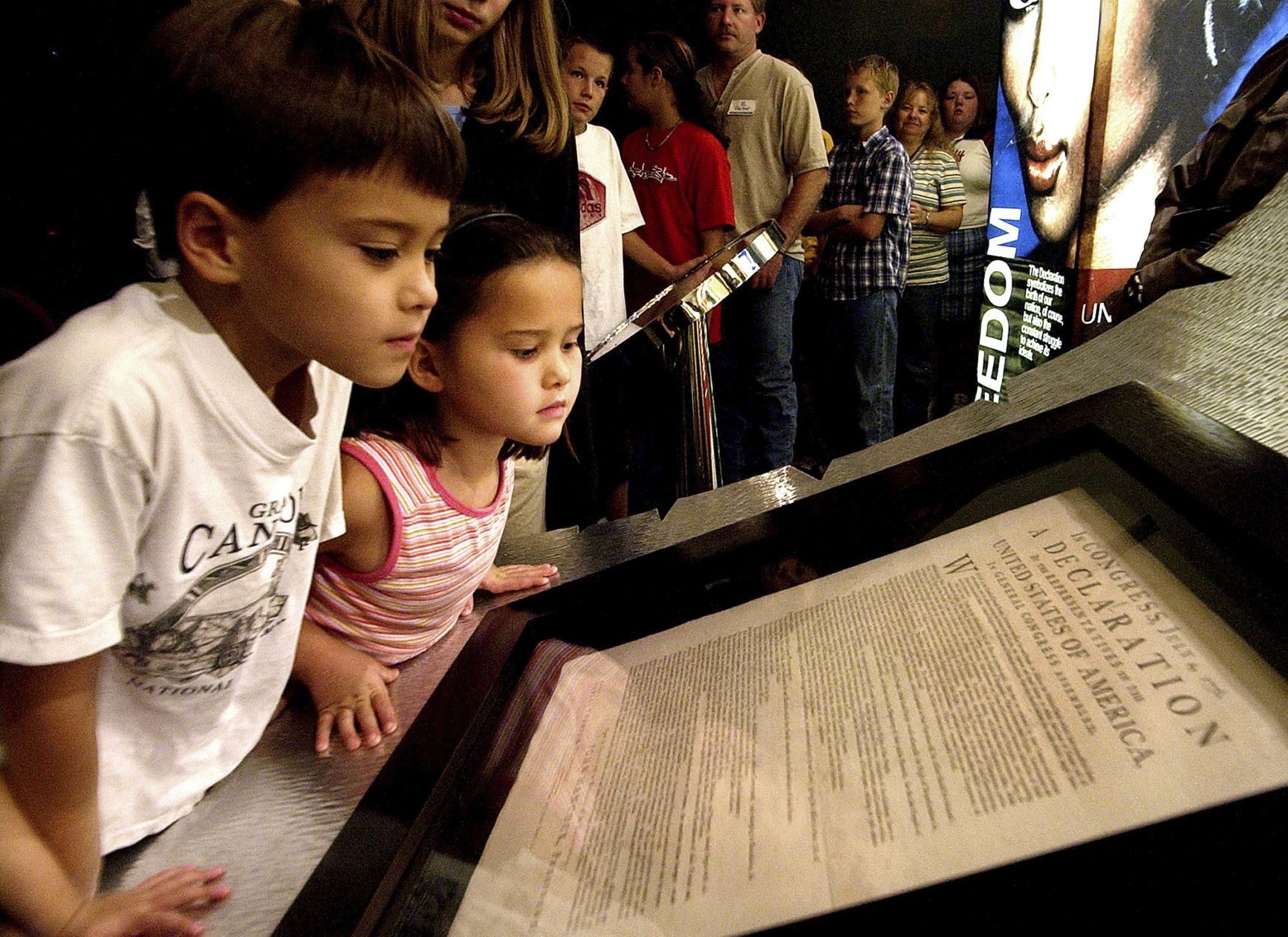
Next year, America will be 250 years young. We face a fundamental choice in writing the next 250 years of this ambitious experiment in self-governance. We can either give in to the norm of conflict and violence or we can embrace the counterculture that young people are demanding and championing. A counterculture that reclaims the radical American ideal of E pluribus unum: out of many, one.
Philanthropy has a unique opportunity to tip the scales. Unlike government funding that comes with political strings or corporate support that raises questions about motives, philanthropic investment can be nonpartisan, sustained, and transformative. But the window for action is narrowing. The forces pushing toward division are well-funded and organized. The pluralism movement is at risk of being overwhelmed just when we need it most.
Kirk’s assassination proves what happens when we fail to create a culture of pluralism. Whether you agreed with him or not, he modeled the democratic belief that ideas should compete in the marketplace of discourse, not be settled by force. His assassination is a sobering reminder that when we abandon dialogue, violence fills the void.
The Commons is financed in part with philanthropic support from the Arthur M. Blank Family Foundation, Einhorn Collaborative, and the Walton Family Foundation. None of our supporters have any control over or input into story selection, reporting, or editing, and they do not review articles before publication. See more about the Chronicle, the grants, how our foundation-supported journalism works, and our gift-acceptance policy.