
I lost my parents to the immigration system. Now youth like me lead the fight.
Immigrant youth know what people facing deportation need most: lawyers. So they built a $15 million legal defense fund and a new model for rapid-response philanthropy.

By Greisa Martínez Rosas
Contributor
August 19, 2026 | Read Time: 5 minutes
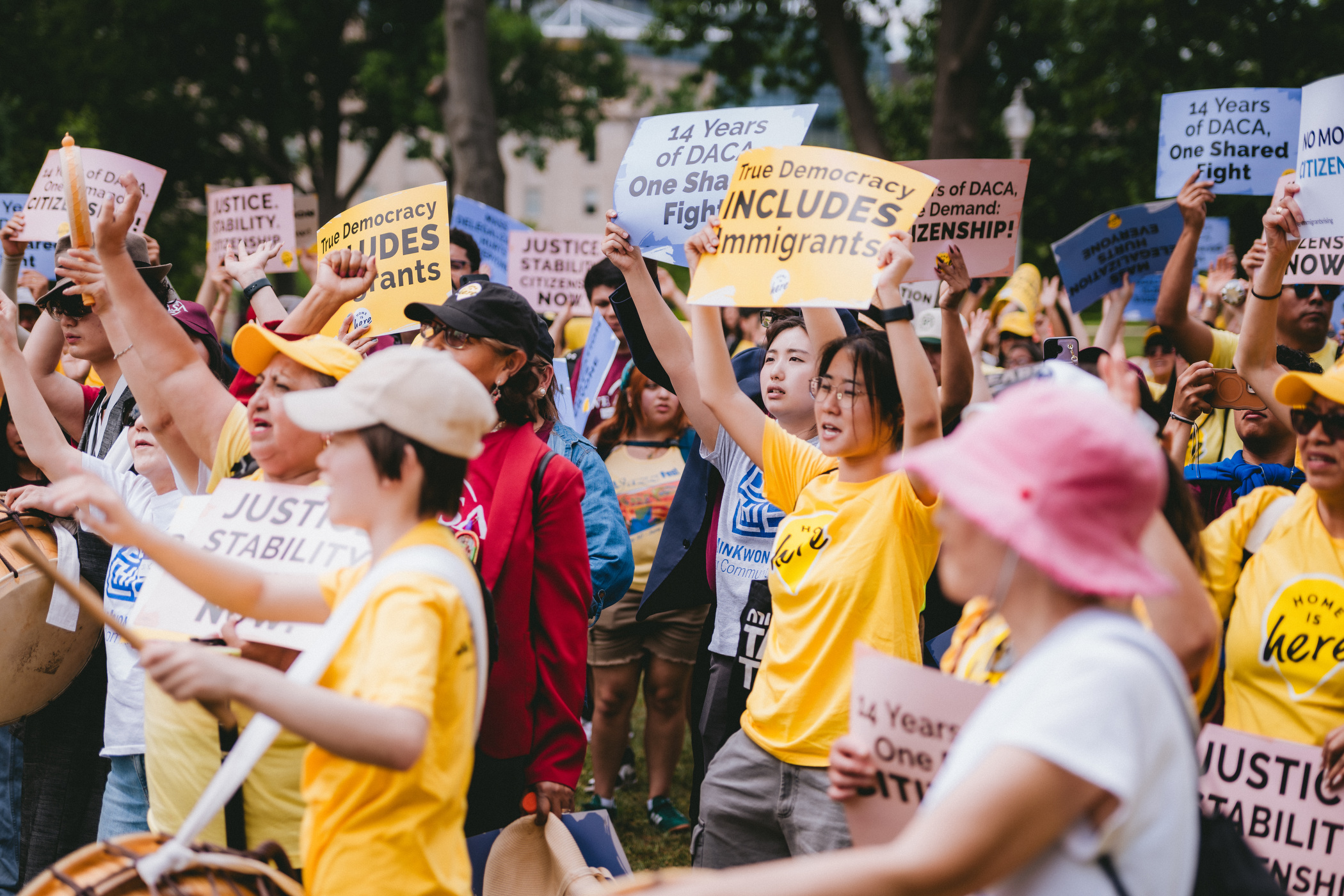
The future of philanthropy is not being invented in boardrooms. It is being built by young people sitting in immigration court hallways trying to find lawyers for their parents. By students raising bond money after classmates disappear into detention. By immigrant communities creating emergency-response networks because they know institutions won’t arrive fast enough to save them.
For immigrant youth, philanthropy is not an intellectual exercise. It is survival infrastructure. For me, this is personal — I was one of those youth myself. As a teenager, I witnessed my father, Luis, deported to Mexico after local law enforcement officers in Texas racially profiled him. He later died in exile in 2024. My mother, Elia, died because she was unable to access adequate cancer treatment due to her undocumented status.
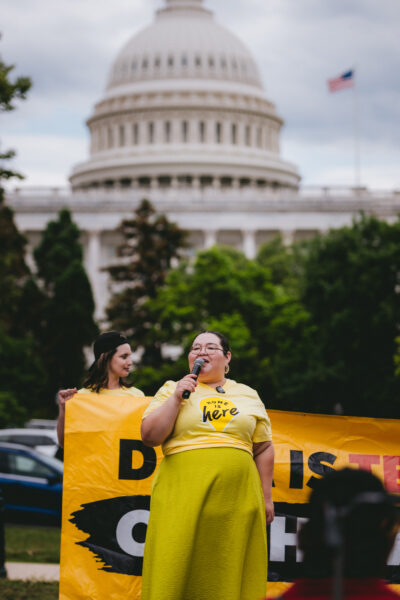
Today I lead United We Dream, the nation’s largest immigrant youth-led organization. As the Trump administration carries out the most sweeping deportation campaign in modern history, my organization is working to create new philanthropic structures that can bring immediate, life-saving support to communities.
Last year, as immigration raids intensified across the country, the young members of United We Dream approached the ACLU and the Abundant Futures Fund with an idea: We wanted to launch a rapid-response legal defense effort that could quickly scale up access to lawyers for immigrants facing detention, deportation, and family separation. We believed that upholding justice meant every child, every family, every individual should have a lawyer by their side as they navigate their immigration cases. Studies show that legal representation sharply increases a person’s chances of being released from detention and staying with family.
The ACLU and Abundant Futures Fund agreed to throw their full weight behind our vision. Together we launched the Defending Our Neighbors Fund, which to date has raised more than $15 million to expand legal representation for immigrants, allowing trusted community legal organizations to take on more clients. Most recently, the fund was recognized by Grammy-award-winning singer and songwriter Ariana Grande, who donated tens of thousands of dollars to the initiative.
No time to wait
The fund was born from a painful truth: Immigrant youth and their communities cannot afford to wait for philanthropic institutions to catch up to the scale of the crisis as immigrant families across this country are torn apart and immigrant neighbors are gunned down by ICE agents, including last month’s fatal shootings of Lorenzo Salgado Araujo in Houston and Joan Sebastian Guerrero in Maine.
Millions of immigrant families are contending with growing threats of detention and separation as legal protections are dismantled. Approximately 350,000 Haitians and some 6,000 Syrians face deportation following the Supreme Court’s recent decision to end their Temporary Protected Status — part of a broader effort to terminate TPS for more than 1.3 million people.
At the same time, the Deferred Action for Childhood Arrivals program, or DACA, is being eroded through renewal delays, expanded deportation authority, and targeted enforcement — leaving hundreds of thousands of DACA recipients vulnerable. All this comes at a time when the FBI reportedly will no longer investigate incidents involving ICE agents, making the prospect of holding the agency accountable for violating programs like DACA even more grim.
As this mass deportation campaign unfolds, the need for legal representation has surged. As of May, there were 1.7 million pending cases in which people were navigating their deportation proceedings without legal representation. Even children have faced government prosecutors alone.
A legal services gap
The immigrant youth at United We Dream recognized the legal services gap long before much of traditional philanthropy did because we have watched people like my dad fall into it and never return. We know what it means to frantically search for legal help after a parent is detained. We’ve seen families disappear into systems designed to isolate and exhaust them. And we’ve had firsthand experience building survival networks with whatever resources are available because no major institution is moving fast enough.
When you live with that reality, philanthropy starts to look different. You stop thinking only about charitable giving and start thinking about emergency infrastructure, legal defense, community trust, and the ways our survival depends on one another.
For too long, philanthropy has treated directly impacted people primarily as storytellers rather than strategists. Immigrant youth were expected to share the trauma of losing their DACA status, having a parent deported, or losing a sibling to detention while institutions retained control over resources, timelines, and decision making.
The success of the Defending Our Neighbors Fund is proof that immigrant youth understand what their communities need and, with support, can provide answers about how best to serve them. They are modeling a new era of philanthropy in which the people living through crises are also designing the response; in which trust moves faster than bureaucracy; and in which resources flow toward communities already doing the work instead of toward institutions trying to study them from afar.
At a time when many Americans feel abandoned by large systems and institutions, people are increasingly turning toward one another. They are looking for ways to protect neighbors, defend communities, and build local systems capable of responding to crises faster than traditional structures often can.
Immigrant youth built the Defending Our Neighbors Fund because we believed no one should face this system alone. We understood that when a person is detained, separated, or denied due process, access to a lawyer can alter the course of their life forever.
The future of philanthropy will not belong only to large institutions or wealthy donors. It will also belong to the communities building rapid-response systems of care and protection when traditional systems fail.
Immigrant youth are already leading that transformation.