
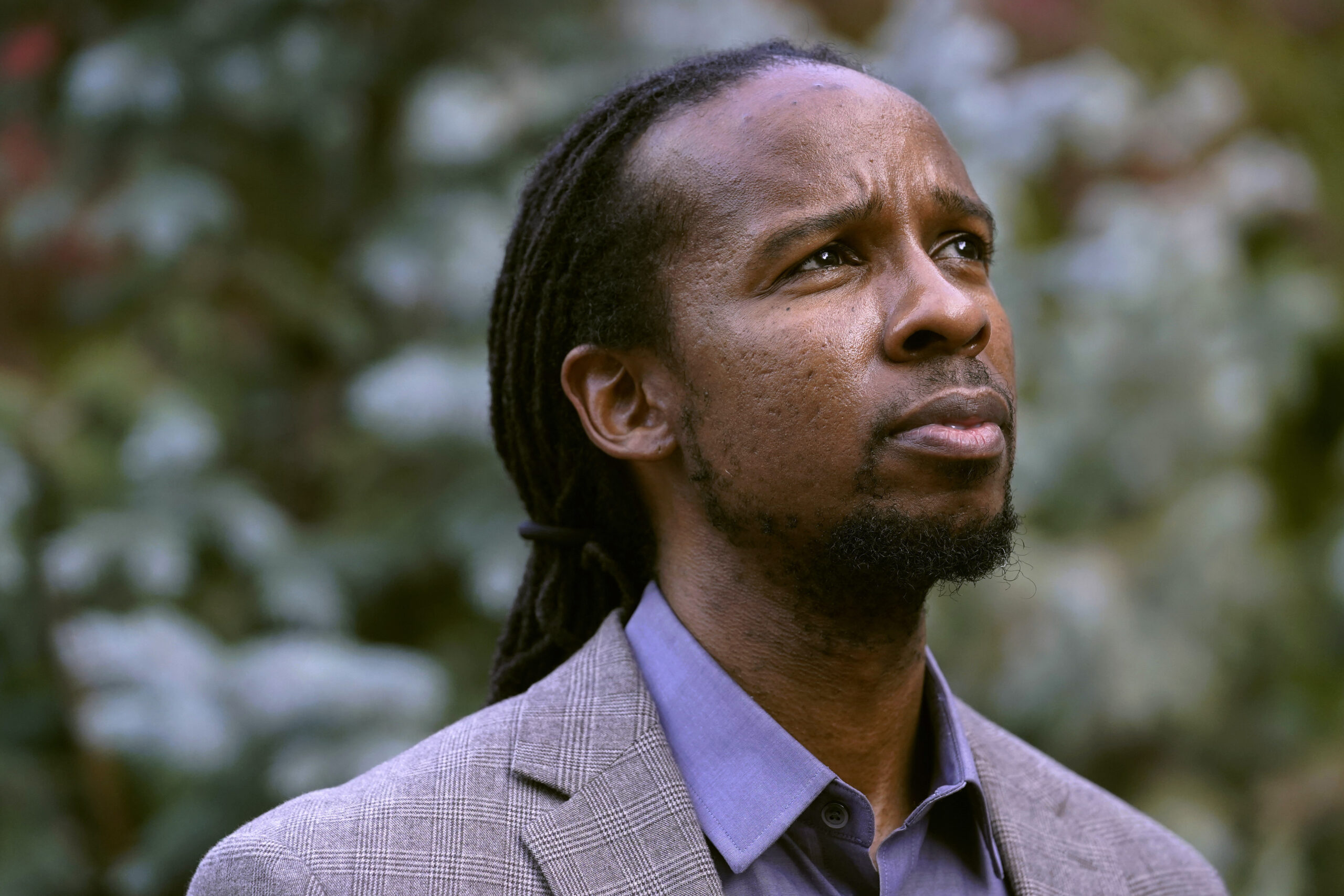
Ibram X. Kendi’s Antiracism Center Is Struggling. Donors Share Some of the Blame.
To strengthen the racial justice movement, donors need to admit when things go wrong and ensure that better planning and accountability are in place the next time.

By Eboo Patel
Contributor

I’m a White Male Elite Who Wanted to Fight for Racial Justice. Here’s What I Got Wrong.
Garrett Neiman learned that he could have a a greater impact if he focused on contributing, not controlling, social movements.

By Garrett Neiman
Contributor

Why Democracy Donors Should Fund Drag Performers
As anti-drag protests put the art form in crisis, philanthropy needs to end its silence on this issue.
By Beatrice Thomas and Lane Harwell

Fighting Online Lies and Deception Requires Large-Scale Philanthropic Response
Piecemeal responses to misinformation won’t work. Instead grant makers must help build an environment in which accurate and diverse information sources flourish.
By Courtney C. Radsch and MICHAEL JARVIS

What Would Philanthropy Look Like if Black Women Were in Charge?
In her introductory column for the Chronicle of Philanthropy, Cora Daniels explores the innovative approaches of Black women leaders and why the sector should follow their lead.

By Cora Daniels
Contributor

JD Vance Had a Point: Let’s Rein in All Large Endowed Institutions
Wealthy nonprofits, especially universities, increasingly demonstrate the same behaviors that led Congress to regulate foundations more than 50 years ago. The law should be updated to include these organizations.

By Craig Kennedy
Contributor

Coco Gauff Won. So Did Climate-Change Protestors.
Donors shouldn’t be afraid to fund protest actions like the one at the U.S. Open last week. Grassroots efforts that disrupt norms and challenge power are effective — even if they’re unpopular.
By Margaret Klein Salamon
Contributor
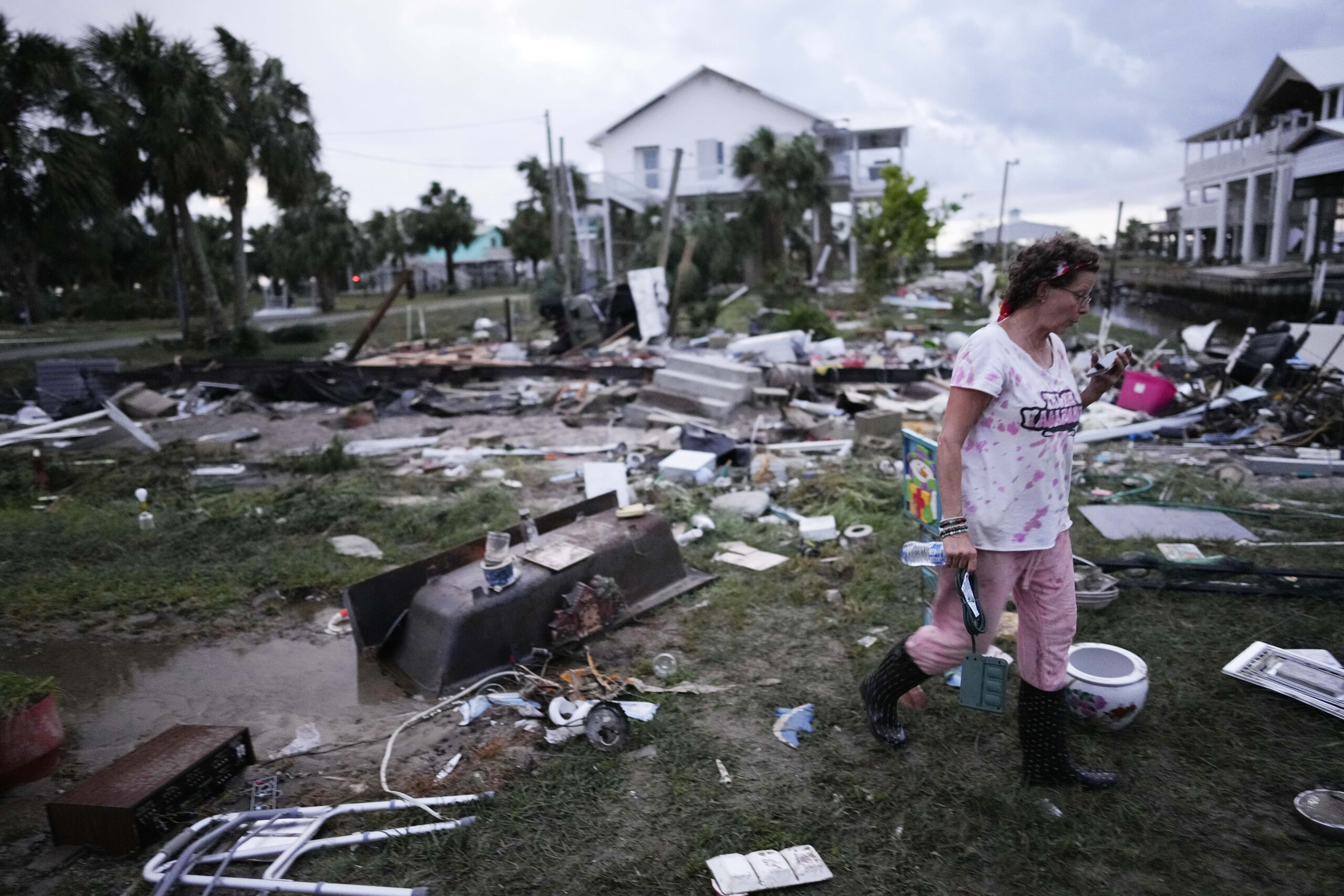
Do Post-Disaster Crowdfunding Campaigns Exacerbate Social Inequities?
Recent climate crises show GoFundMe campaigns most often help people with robust social networks and the skills and resources to effectively tell their stories.
By Jeremy Snyder
Contributor

‘The Bear’ Should Be Required Viewing for the Nonprofit World
A TV show about creating a restaurant is a reminder of why we need to stop criticizing each other and recommit ourselves to a shared mission.
By Eboo Patel
Contributor
Why All of Us Need to Give to Nonprofit News Outlets
If less than half a percent of all private contributions went to journalism nonprofits, we could replace the loss of local newsrooms and strengthen democracy.
By Brian Eule
Contributor