
Don’t Destroy Foundations’ Ability to Respond to the World’s Next Crisis
Patriotic Millionaires, a group of wealthy Americans, wants Congress to increase giving rates to 10 percent of assets for the next three years. But there’s nothing patriotic about limiting the flexibility of foundations, writes a top official of the Philanthropy Roundtable.

By Joanne Florino
Contributor
What Big Philanthropy Can Learn From the Citizen Networks Helping Us Survive Today’s Crises
Neighbors have informally created mutual-aid efforts that provide hand sanitizers, masks, bail for protesters, and other necessities. The democratic approach to giving aid is a model for how philanthropy can make a bigger difference.
By Rob Reich and Mohit Mookim

We’re All Dealing With Anxiety and Uncertainty. Let’s Not Let That Affect How We Make Grants
When I feel like we’re making too little progress, it’s tempting to switch gears and adopt the latest approach — but what nonprofits need most now is consistent, flexible, long-term funding — and lots of it.
By Lisa Pilar Cowan
Contributor
Grant Makers Can Improve Government Effectiveness in the Covid-19 Era
Ensuring that governments reduce corruption, adopt good policy, and get citizens involved in policy making is critical to creating a strong response to this crisis and its aftermath.
By Leslie Lang Tsai
Contributor
Congress Should Force Foundations and Donor-Advised Funds to Give More Now
Assets of grant makers grew 200 percent in the last decade so they can afford to increase the share of their endowments that go to charities — and they can do that without borrowing money from the public by floating bonds, says a member of the Patriotic Millionaires.
By ALAN DAVIS
Contributor
Who Benefits When Foundations Float Bonds to Do More Grant Making?
An unprecedented move by Ford and other foundations to issue debt could have led to a different outcome, one that might have done more to help women, people of color, and others too often left behind, says the senior economics correspondent of “Next City.”
By Oscar Perry Abello
Contributor
How Colleges and Foundations Can Lead the Way on Reparations for Enslaved People
A handful of colleges have taken action to repay family members of the Black Americans who were forced to build campuses in antebellum America. If grant makers, big donors, alumni, and others joined forces, we might create a model that will spread nationwide, writes a founder of a project at Georgetown U. that identifies slave descendants.
By Richard Cellini
Contributor

More than ever, foundation and nonprofit leaders need to listen to the people they serve and develop a more open and participatory approach to communications efforts.
By Keli Hohenstein, Hywel Mills and Sean Gibbons
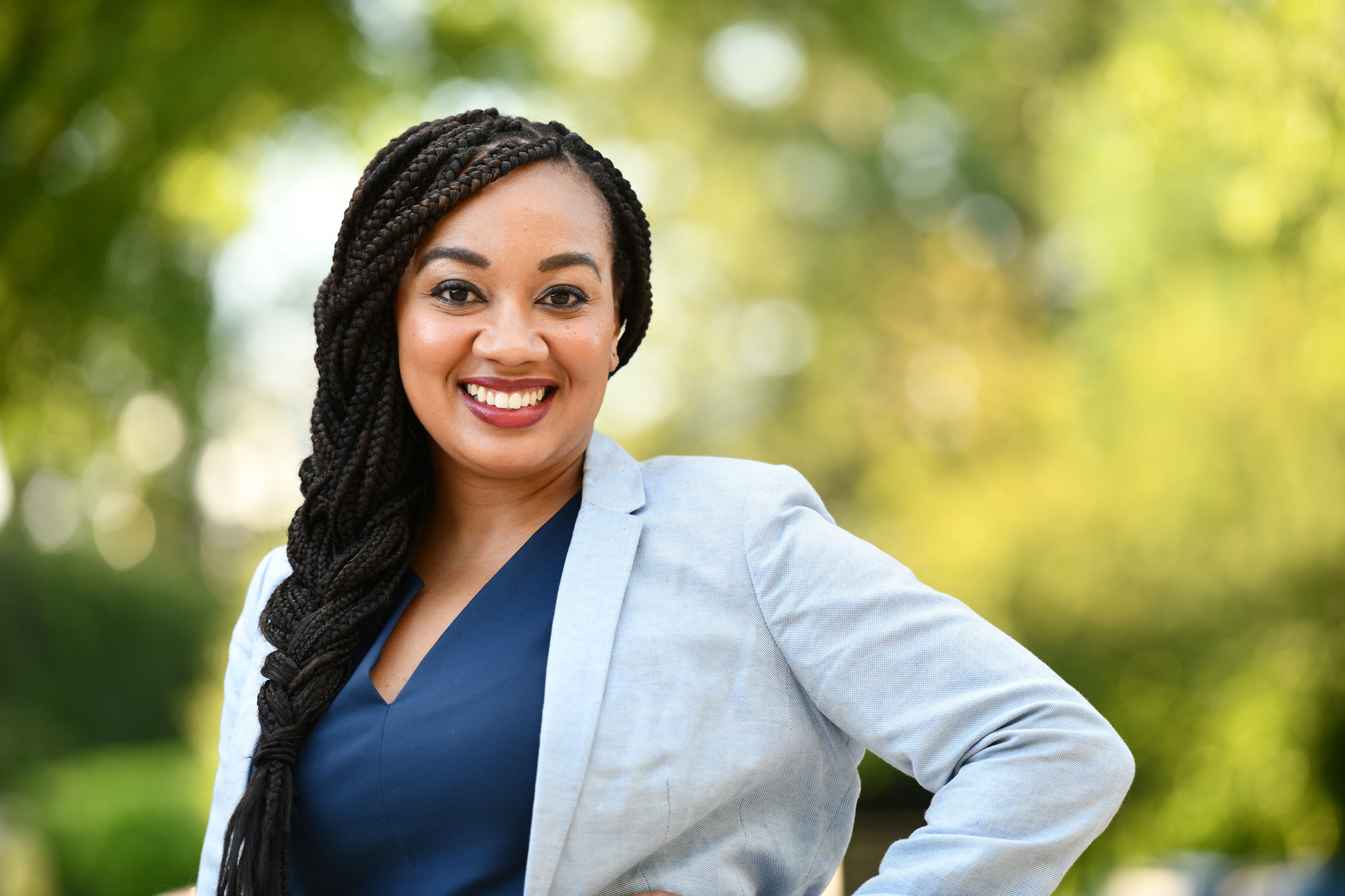
Coronavirus Diary: What Keeps a Disaster-Preparedness Leader Awake at Night
Nicolette Louissaint is executive director of Healthcare Ready, a nonprofit that helps coordinate the efforts of health care companies, governments, and community organizations during disasters. She spoke to the Chronicle about disaster preparedness and what the last three months have taught her as a nonprofit leader.
Editor’s Notebook: A Renewed Quest For Racial Equity
Nonprofits and foundations are grappling with critical questions of diversity and racial equity. A look inside the Chronicle’s July 2020 issue.

By Stacy Palmer
Chief Executive Officer