What Nonprofits Get Wrong About Fundraisers Is Harming Their Missions and Bottom Line
Even as more nonprofits struggle to survive, many fail to utilize one of their greatest assets: their fundraisers’ code-switching skills.

By Noel Martin Rubio
Contributor
October 2, 2025 | Read Time: 6 minutes
In many ways, I was born to fundraise. Not because I had an inherent knack for asking people for money, but because from a young age I learned how to adeptly move between different worlds. Growing up in an immigrant family, I code-switched before learning how to tie my shoes. I mastered the art of shifting tone and mannerisms to make myself intelligible to institutions and in social contexts that weren’t designed for families like mine.
Fundraising

I was six years old when my family emigrated from the Philippines to Guam. Almost overnight, I shed my Filipino accent, trading a core part of my identity for a sense of belonging. In my first week at school, an administrator sent me to the ESL coordinator, who quickly realized I didn’t need remedial English instruction. Our sessions instead turned into one-on-one creative-writing tutorials that helped me navigate my new life abroad through storytelling.
That experience stuck with me because it demonstrated how easily outsiders can be underestimated and how self-advocacy through code-switching can flip a narrative on its head. In the years that followed, life’s lessons in translation became less about language and more about survival.
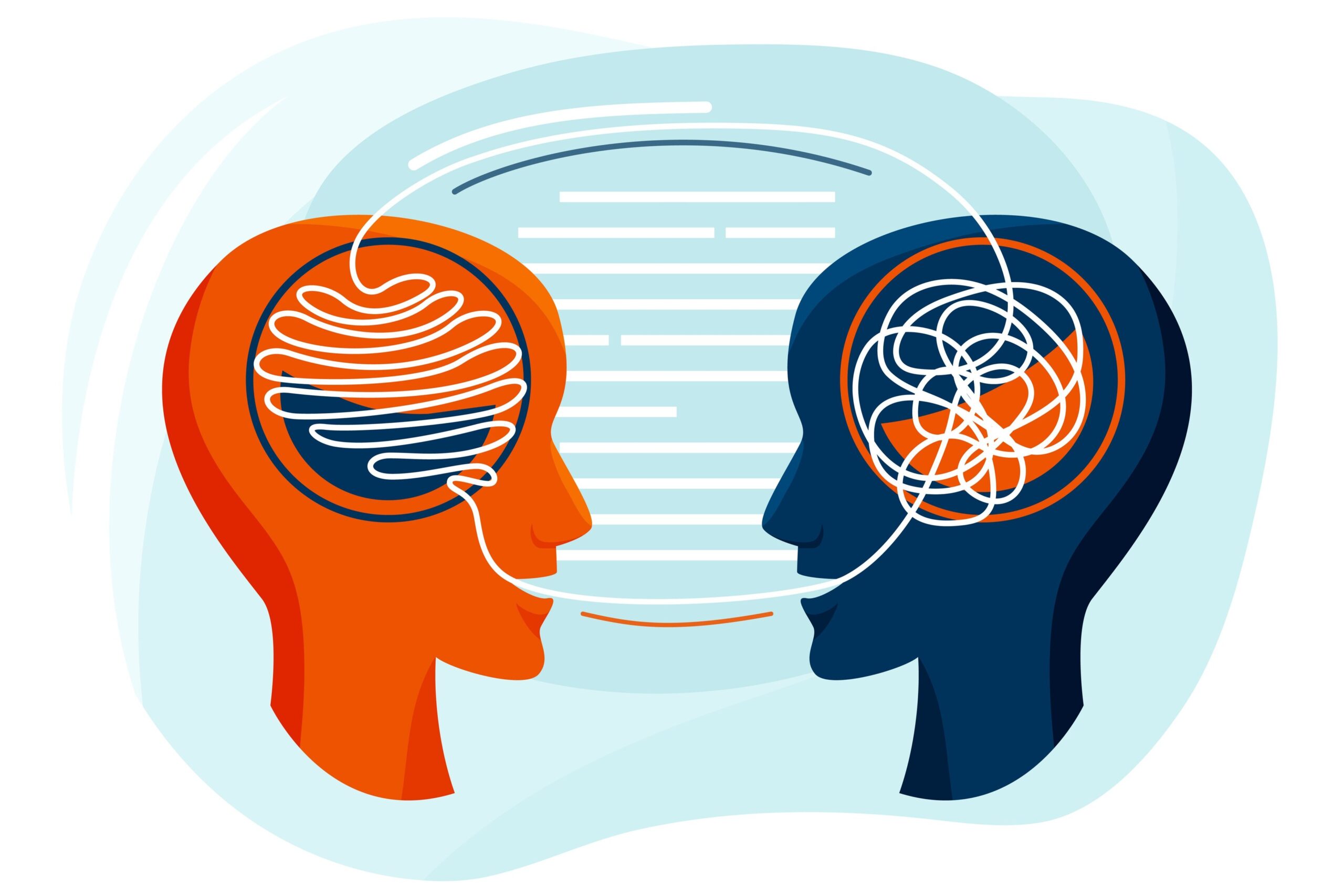
Fundraising, at its best, draws on a similar skillset. Fundamentally, nonprofit development isn’t just about bringing in dollars — it’s the act of translating from the liminal space between community and capital. Every day, fundraisers frame policy debates, bridge the different ways communities and funders speak, and help people on both sides of a gift see each other more clearly.
We surface uncomfortable truths when we show donors that a flashy new building is less urgent than fixing a broken housing-voucher system. We challenge assumptions when we reframe so-called at-risk youth as young leaders with big dreams and untapped potential. And we center constituent voices when we discuss client case studies in boardrooms, not as sob stories, but as narrative evidence that shapes program strategy and educates donors about why their investment matters.
Too often, however, nonprofits underutilize fundraisers’ unique code-switching ability. Many of us find ourselves siloed as tacticians rather than engaged as strategists. We’re routinely asked to write a case for support of a particular program after strategy for that program is already finalized — limiting our ability to translate community insights into narratives that appeal to donors.
This represents a missed opportunity at a time when the ability to translate across divides is critical. In a funding landscape marked by federal government cuts, depressed giving, and widening inequality, it’s also a form of self-sabotage that nonprofits can ill-afford. Fully 36 percent of nonprofits ended 2024 with an operating deficit — the highest share in a decade — and 52 percent had three or fewer months’ cash reserves on hand, according to Nonprofit Finance Fund’s 2025 State of the Nonprofit Sector Survey.
The disempowerment of fundraisers is also likely a primary driver of burnout and turnover. The median job tenure for fundraising professionals is just two years, well below the national average.
Why Translation Matters
Fundraisers’ code-switching skills can make a difference in many contexts. In my own career they have proven especially useful in convincing donors to support advocacy campaigns that often struggle to get funded.
I saw this firsthand while working as the director of development and communications at the Disability Policy Consortium. We were seeking to significantly expand appropriations for a housing-voucher program in Massachusetts, but funders were concerned about the risks of supporting an effort that could look partisan and might be considered lobbying.
Community members, on the other hand, spoke in the language of lived experience: waiting lists, inaccessible rentals, and the grind of relocating from one temporary housing situation to another.
My role was to bridge those worlds by translating what community members said they needed to secure more housing into budget priorities and policy goals funders would recognize. I also clarified IRS rules for donors and educated them on why supporting advocacy did not necessarily open them up to political exposure. The result: More donors backed the campaign, and the state voted to expand annual funding for its accessible housing-voucher program.
Translation of this kind is intrinsic to all forms of effective fundraising, which frequently requires developing messages that turn even the most entrenched social problems into opportunities for funding tangible solutions. Our pitch to donors isn’t “this client is two months behind on her rent and will be kicked out of her apartment without your help.” It’s “$1,200 closes payments in arrears, while $3,600 stabilizes a family of four’s living situation and prevents shelter entry for a quarter.”
More Than Overhead
What then would it take to fully embrace fundraisers’ code-switching abilities? Below are three places to start. These steps don’t necessitate new departments, committees, or task forces. They simply require that the translational role of fundraisers is recognized as critical to a nonprofits’ mission — not just more overhead.
Invite fundraisers to participate in strategic discussions. That means allowing them to help shape program design, taking advantage early in the process of their skills in messaging, narrative, and outreach strategies. Those skills, based on their understanding of funder psychology and community perspectives, will help nonprofits frame their programs more effectively from the start.
Name and reward code-switching skills. Performance evaluations should assess how capable a fundraiser is at navigating across class, race, and professional cultures and framing complex issues in plain, actionable language.
Employers should also seek to identify those skills when filling fundraising positions. In interviews, for example, they might ask job candidates to describe a time when they had to make the same fundraising pitch to two very different audiences. How did they adjust their approach? Or they could ask how they ensure community perspectives are authentically represented when speaking to donors. Questions like these can reveal whether a candidate has the cultural fluency, narrative agility, and ethical grounding needed for strong fundraising practices.
Invest in professional development. Train fundraisers in cultural translation, advocacy communication, and narrative framing. Make these skills standard, supported, and universally understood, instead of relying on employees’ innate skills. Such efforts should include creating a narrative style guide that focuses on peoples’ strengths and aspirations rather than their struggles, and running fundraising campaign language by community members and donors — a practice that helps build trust and buy-in.
If nonprofits are serious about advancing equity and building community power, they can’t keep treating fundraising as an afterthought. Fundraisers are highly skilled translators who relay truths across divides so money can move to where it matters.
As a child I knew instinctively how to translate someone’s preconceived notions into a clearer picture of reality — turning ESL remediation into a creative-writing mentorship. Fundraisers do that work every day. We just need the support and tools to keep doing it successfully.