Joanna Jackson, Weingart Foundation: ‘We Don’t Have to Keep Doing the Routine Thing’

By Alex Daniels
Senior Editor, Foundations

November 5, 2024 | Read Time: 2 minutes
Joanna Jackson
President and CEO, Weingart Foundation (Los Angeles)
Start date: June 2024
Age: 52
Previous experience: Interim president, vice president, and director roles at Weingart; development officer, U.S. Fund for UNICEF; program associate, the California Endowment.
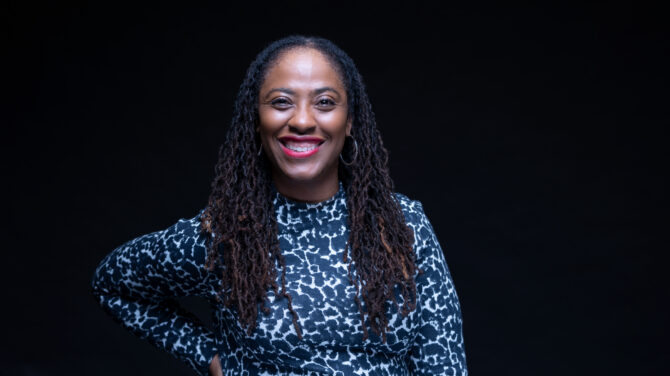
This year, the trustees of the Weingart Foundation reached inside its ranks to pick Joanna Jackson to be the new president and CEO. Jackson, the granddaughter of civil-rights leaders, has worked for the past 15 years at the Southern California grant maker long associated with the push for racial equity.
Related Content
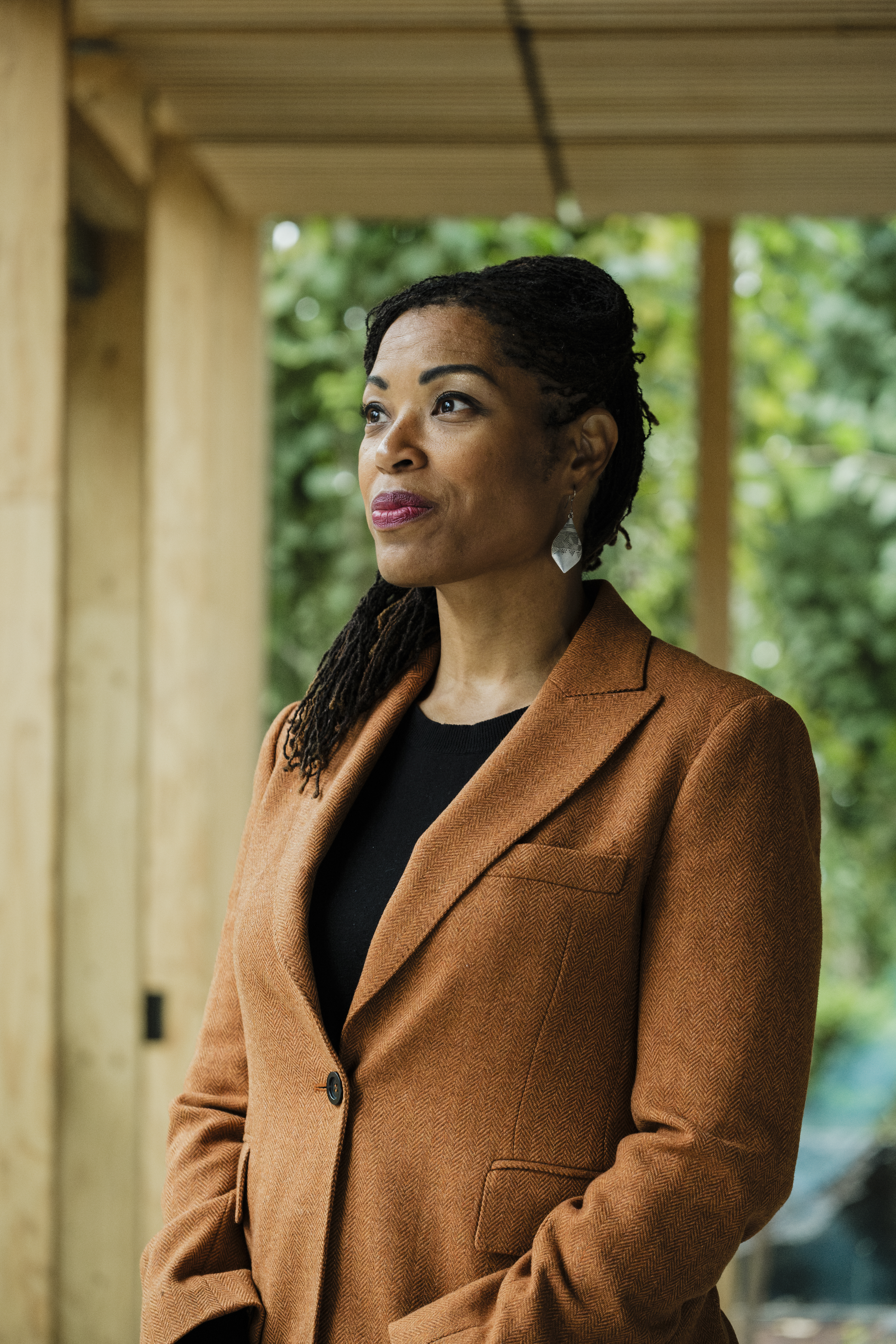
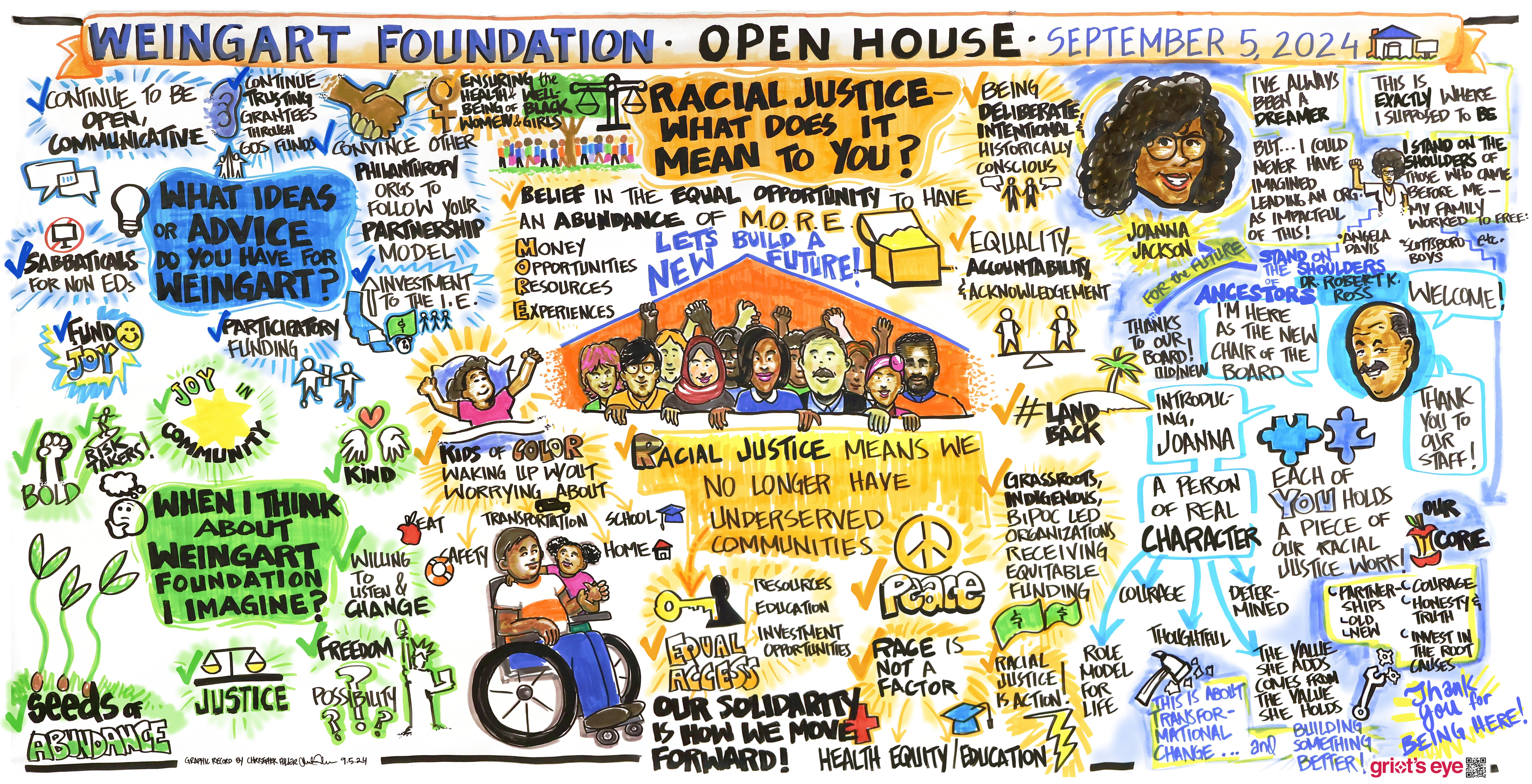
One of Jackson’s first moves was to open the foundation’s doors — literally — to grantees and the public to “help us dream forward,” she says. At a September open house, Jackson told roughly 150 grantees and philanthropic leaders that she was ready to “be a part of the movement that is building a new future.”
The get-together may not seem like a huge innovation, but Jackson says that for philanthropy, which has often seemed out of touch, inviting everyone together was a way to send a message.
“I know it’s not radical,” she says. “But for me, it is a way of saying we don’t have to keep doing the routine thing.”
While the foundation’s goals haven’t changed, Jackson aims to put into practice the commitment Weingart has already made to racial justice. In some ways, that means breaking the top-down leadership approach often associated with philanthropy and listening to the needs of nonprofits. But in other ways, she says, it means taking a public stand on contentious issues.
For Jackson, civil-rights advocacy is an inherited trait. Her grandmother Louise Thompson Patterson led the committee to free political activist Angela Davis, and her grandfather William L. Patterson brought claims to the United Nations of genocide against the United States in response to lynchings.
One of Jackson’s biggest priorities is keeping reparations to descendants of enslaved Americans on the table after an investigation on the subject got a cool reception from elected officials in California.
The racial-justice movement is facing headwinds four years after the murder of George Floyd and the protests that followed, Jackson says. It is up to foundations to speak out because they are less vulnerable to attack and loss of resources than the nonprofits they support.
“In philanthropy, we’ve got the privilege and the latitude to be able to do it,” she says. “No one’s taking our funding away.”