Campuses are rebuilding a culture of dialogue. Funders can ensure it lasts.
A growing movement to strengthen open inquiry and productive disagreement is reshaping higher ed — but it needs long-term philanthropic support to take root.

By Jonathan Haidt and Tamar Remz
September 9, 2026 | Read Time: 5 minutes
- Just two years after public trust in higher education hit historic lows, a significant shift is quietly underway across a surprisingly broad range of institutions.
- Self-examinations at prominent universities, new investments in civic discourse, and the rapid spread of dialogue programs point to a widespread movement.
- Whether this turnaround takes root — or fades as a passing initiative — will depend in large part on choices philanthropy makes now.
This is the first of two essays on the shift toward civic dialogue on college campuses. Next week: How college presidents are coming together, with philanthropic support, to change the nature of debate on their campuses.
Over the past few decades, across many domains of civic life, Americans have become less trusting of one another and less confident in the norms and institutions that sustain liberal democracy. And yet, amid this broader institutional decline, one sector has recently begun moving in a positive direction: American higher education.
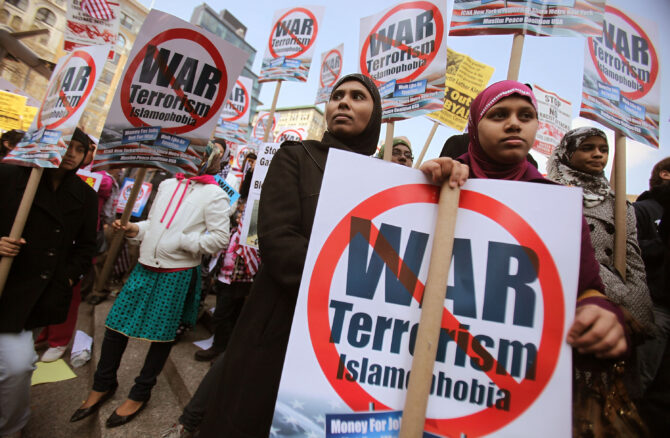
This was not inevitable. In fact, just two years ago, higher education reached rock bottom. Following the campus protests and encampments over the war in Gaza, and the high-profile congressional hearings that led to the resignations of the presidents of Harvard and the University of Pennsylvania, public trust in colleges and universities were near historic lows. A Gallup/Lumina poll found that the main driver of declining trust was concern about universities’ “political agendas.”
The return of Donald Trump to the White House in 2025 brought a new wave of crisis. The Trump administration launched an unprecedented campaign to pressure and restructure higher education. Federal investigations multiplied. Research funding was suddenly cut or severely reduced. International student visas came under heightened scrutiny. Pell grants and student loan programs became contested policy battlegrounds. The administration’s proposed “compact” with nine universities last fall represented the clearest attempt by the federal government to directly reshape the culture, governance, and even admission standards of colleges and universities.
Most of the targeted campuses rejected the compact. But something interesting was already happening: Many universities had begun reforming themselves anyway.
A major reset
Over the past two years, higher education has undergone a significant internal reset. Quietly but unmistakably, a growing number of colleges and universities have begun to examine what went wrong and take responsibility for many of the factors that alienated the public. A self-critical examination undertaken by Yale is a shining example. The school’s Committee on Trust in Higher Education noted the harmful effects of rising costs, opaque admission standards, and the politicization of campus life. The report was lauded by many in higher ed — a clear sign of a turning point.
In June, an even more surprising and far-reaching self-examination was published — the culmination of a reform effort initiated by the chancellors of Vanderbilt University and Washington University. The report, written by a team of highly respected professors in the humanities and social sciences, documented and critiqued the “deterioration in scholarly standards fueled by the substitution of political criteria for properly scholarly criteria” in assessing research in their fields. Such a report could not have been produced in the early 2020s, but today it received wide attention.
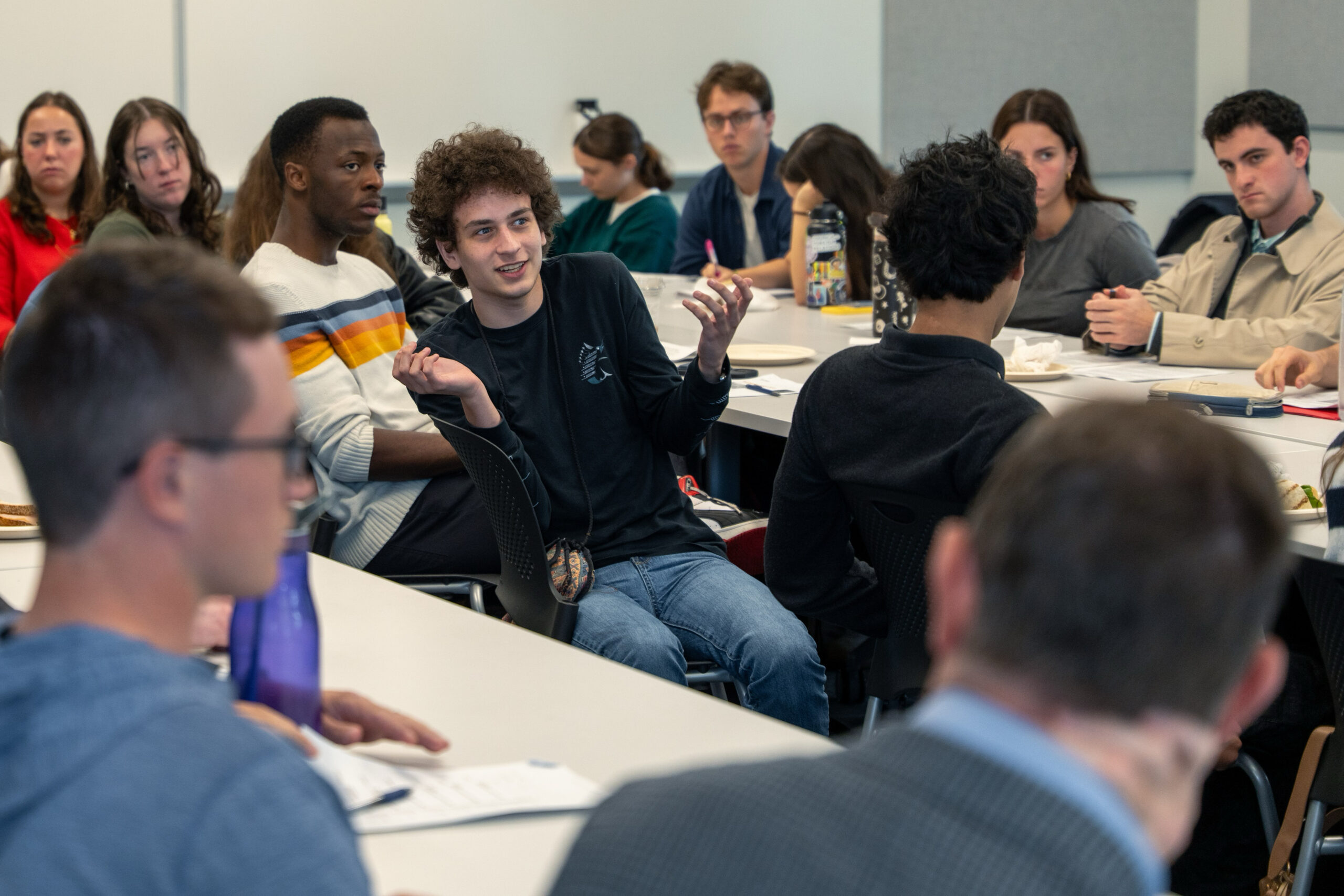
Universities across the country are also making major investments in civic culture and constructive dialogue. The University of Michigan announced a $50 million initiative focused on civic discourse and democratic engagement. New York University, Tufts, Northwestern, and many others have launched dialogue centers and programs dedicated to pluralism, free expression, and bridge-building. By the end of 2024, nearly 150 institutions had adopted neutrality policies on controversial social and political issues. And a growing number of admissions offices are evaluating prospective students on their ability to communicate across differences.
As the former and current chairs of the Constructive Dialogue Institute, we’ve witnessed this transformation firsthand — and have tried to help it along. Since 2023, CDI, which partners with colleges and universities across the country to strengthen inquiry, dialogue, and free expression, has grown from approximately 30 campus partners to more than 170, affecting more than half a million students.
Importantly, this shift is not occurring in an isolated segment of higher education. Our partners include Ivy League universities such as Harvard, Yale, Brown, Dartmouth, and Columbia; large public universities; regional institutions; religious colleges; community colleges; and state public higher education systems across the political spectrum.
These universities, despite their many differences, are converging on the idea that supporting intellectual pluralism and dialogue can rebuild public trust, help campuses fulfill their civic responsibilities, and equip students with skills to navigate a highly competitive job market in a deeply polarized nation.
Our internal research demonstrates the effectiveness of this work. Two randomized controlled trials show that CDI’s online learning program, “Perspectives,” which has been completed by more than 200,000 students, reduces what’s known as “affective polarization” (dislike of the other political side) and increases intellectual humility and conflict resolution skills. We found that while students began the program as polarized as the average American, they ended it at polarization levels not seen in this country since 1994.
More than a branding exercise
Deep culture shifts, however, take years to spread and take root. Sustained investment is needed not simply to reduce polarization on campus, but to help young people develop the skills required for democratic life in a pluralistic society.
If universities succeed in rebuilding cultures of open inquiry and productive disagreement, their students are likely to carry healthier democratic norms into every sector of society. If universities fail, our broader democratic decline is likely to continue.
That’s why this work cannot remain a niche intervention, a temporary pilot program, or a branding exercise. It must become part of the core infrastructure of higher education and civic life.
That requires long-term investment, not only in programs, but in institutional transformation itself. Philanthropy can help strengthen the organizations already working to advance healthy campus discourse, including groups such as Interfaith America, the Institute for Citizens & Scholars, and BridgeUSA.
At the same time, grant makers should also support universities directly through funding dialogue centers, curricular innovation, or rigorous evaluation and measurement. Alumni, trustees, and donors should encourage their institutions to move beyond symbolic actions and invest in durable structures that shape campus culture.
The question is not whether young people will inherit a polarized society. They already have. The question is whether we will equip them with the skills, norms, and moral imagination to navigate it differently today and to repair it tomorrow.
The institutions and leaders who step forward now will shape not only the future of higher education, but the future of the American experiment.