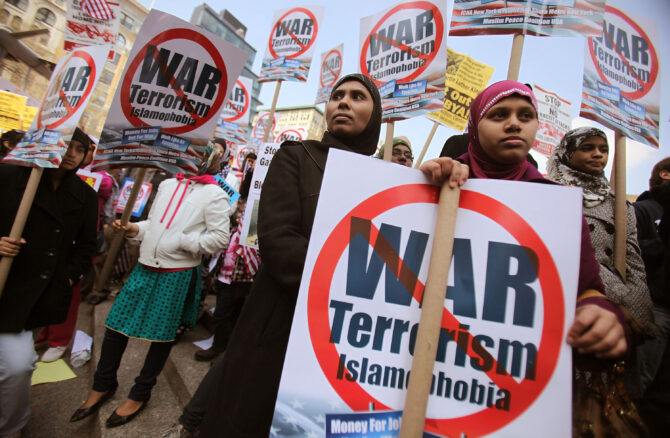
Nonprofits’ Favorite Advocacy Word Isn’t Landing. Here’s Why.
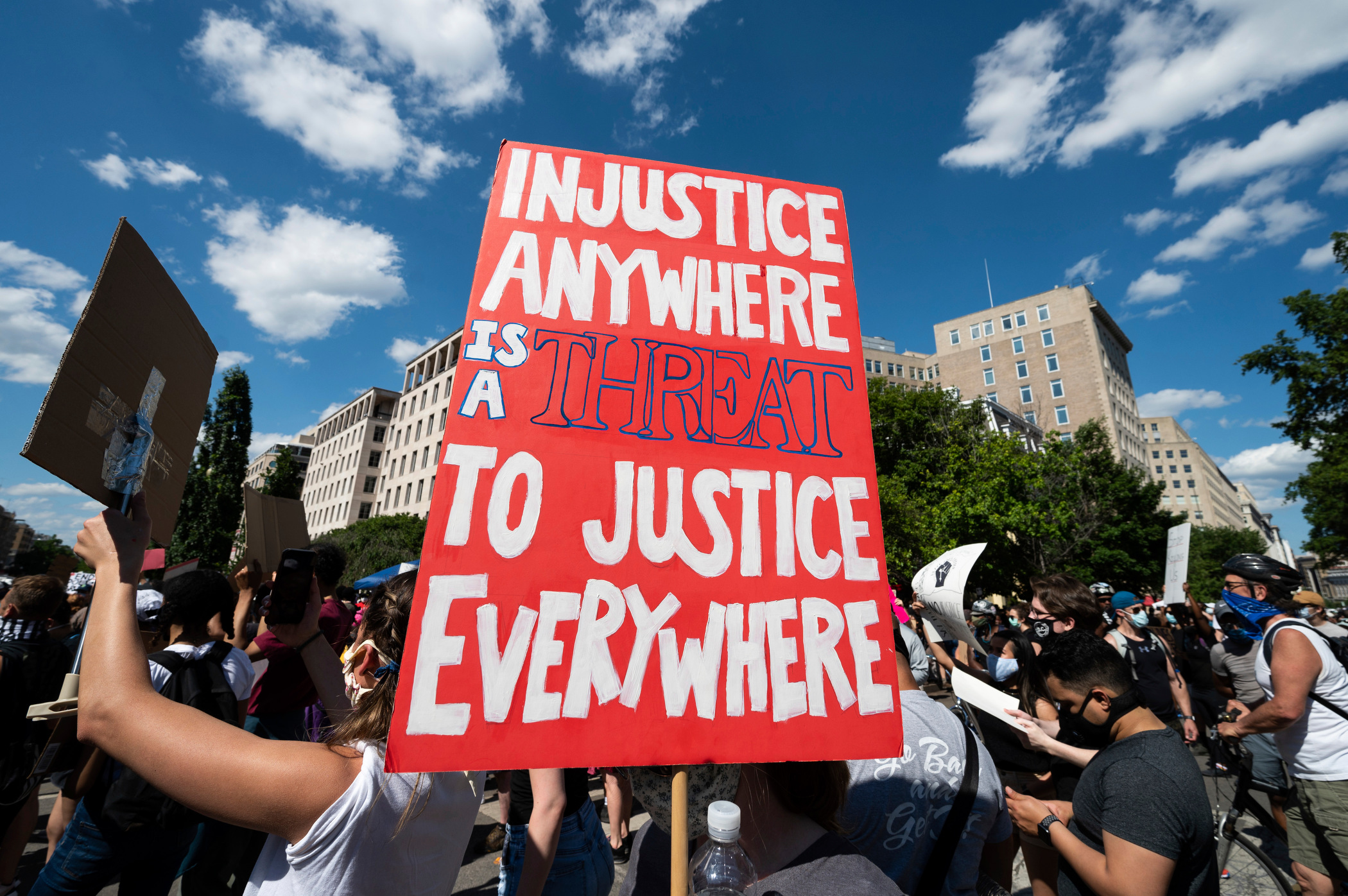
The word "injustice" is meant to signal moral seriousness, but without specifics, it triggers resistance instead of recognition.

By Matt Watkins
Contributor
July 16, 2026 | Read Time: 5 minutes
Keep up with everything happening in The Commons by signing up for our monthly newsletter.
“Injustice” is one of the most common words used in the nonprofit world today. With good reason. The word names why nonprofit and foundation work exists: housing instability, racial wealth gaps, polluted neighborhoods, maternal mortality, criminalization, health care debt, and the other harms the sector seeks to address.
But injustice isn’t only a concept — it’s a condition. It looks like an eviction notice taped to a door. It sounds like the conversation a couple has at the kitchen table about which bill not to pay this month. It shows up when a family no longer trusts the water coming from the tap.
That’s why “injustice” is one of the most powerful words in the public-interest vocabulary. The word makes three claims at once: a harm happened, human choices produced or allowed it, and different choices could repair it. Used well, it brings the public closer to a wrong they can clearly see.
Yet the sector weakens the word by separating it from the specific harms that need to be addressed. Organizations write that they “address systemic injustice” or “advance justice for working families.” The sentences sound sincere. They also leave too much work for the reader. The harm, the people affected, and the remedy all disappear behind the values claim.

That creates a practical problem, not just a stylistic one. “Injustice” no longer lands the same way for every audience. In some rooms, it signals moral seriousness. In others, it sounds like blame. In still others, it comes across as institutional language designed to keep the reader at a distance. When the sentence carries no specific harm, skeptical readers fill in their own meaning, and the word becomes the trigger.
Providing specifics about real injustices helps lessen resistance to the word itself. A reader who isn’t comfortable with “racial injustice” as a phrase may still agree that appraising a home’s value based on the race or ethnicity of its owner is wrong. A person who would not sign a statement about “environmental injustice” may still sign a petition about industrial pollution in their neighborhood.
The framing of the issue may be contested, but the specific harm gives people something concrete to recognize and act on. For an organization trying to build a coalition, raise money, change a law, or protect a community, such concrete language isn’t a luxury — it’s critical to building trust.
Gaining Public Support
The goal is not to soften the reality of how injustice accumulates over generations but to ensure organizations stay clear-eyed about what they ask the public to recognize and support. In other words, rather than retreating from the word, surround it with details that explain it. Three questions help.
What is the harm? Show what the injustice looks like: eviction without legal representation, wages stolen, benefits denied, care delayed because of debt.
Who bears the cost? Say which families, workers, tenants, patients, students, or neighborhoods are affected: renters in counties where eviction filings have doubled; workers paid less than they earned; residents within a mile of industrial corridors; children in schools without safe routes, stable housing, or reliable transportation.
What would repair look like? Explain how the organization’s work would change policy, move money, improve access, enforce existing rights, reduce exposure, or build the power of the people who bear the cost.
Many uses of “injustice” follow familiar patterns, and each becomes stronger when the sentence names the actual wrong.
Don’t say: “We address economic injustice.”
Say: “We help families facing eviction, utility shutoffs, and medical debt stay housed through legal help, emergency assistance, and benefits navigation.”
Don’t say: “We are committed to dismantling racial injustice.”
Say: “We challenge appraisal bias that costs Black homeowners wealth when they sell or refinance, and we support legal, policy, and organizing efforts that make home valuations fairer.”
Don’t say: “We fight environmental injustice.”
Say: “We help families in older homes and underfunded neighborhoods remove lead paint, replace lead pipes, and clean up contaminated soil before children are poisoned.”
Don’t say: “We advance health justice.”
Say: “We help pregnant women in counties with the highest maternal death rates get prenatal care, transportation, doulas, and community health workers before preventable complications become emergencies.”
The difference matters because people don’t respond to values alone. They respond to evidence they can check themselves. A neighbor can ask whether anything has changed. A reporter can verify the claim. And a potential donor can grasp the work.
The point here is not to abandon “injustice.” The word sometimes matters because it gives people a shared context to work from. It can help coalitions see their struggles as connected. It can give people language for harms they have experienced but were told to treat as private misfortune. Concreteness can also flatten politics when organizations use it to make structural harm sound like a collection of isolated service needs.
That is why the goal is not to drain “injustice” of its force. The goal is to make sure the force lands.
“Injustice” earns public trust when it helps people see a wrong more clearly. It loses trust when it asks them to accept a values claim before they can see the harm. The word still names something the public can act on. But its weight comes from the sentences around it.
Use “injustice” when you can show the wrong, the people who bear it, and the repair it demands. Otherwise use a more precise word.
The Commons is financed in part with philanthropic support from the Arthur M. Blank Family Foundation, Einhorn Collaborative, and the Walton Family Foundation. None of our supporters have any control over or input into story selection, reporting, or editing, and they do not review articles before publication. See more about the Chronicle, the grants, how our foundation-supported journalism works, and our gift-acceptance policy.