What Funding Everyday Acts of Courage Taught Us About America
Trust in government and institutions has collapsed. But in communities across the country, ordinary people are quietly rebuilding the relationships that hold democracy together.

By Tonya Allen, Deepak Bhargava and John Palfrey
June 30, 2026 | Read Time: 5 minutes
Keep up with everything happening in The Commons by signing up for our monthly newsletter.
As we approach the 250th anniversary of our nation’s founding, it’s impossible to ignore the convergence of crises that Americans are navigating. Division, cruelty, and a steady drumbeat of tragic news dominate the headlines. But they don’t tell the full story.
At moments like this, a country reveals itself through how its people choose to respond to one another. In cities and towns across the nation, the three of us — presidents, respectively of the McKnight, Freedom Together, and MacArthur foundations — have witnessed Americans from every walk of life join together to show extraordinary compassion for their neighbors. They are countering hardship and division with dignity and acts of service to restore the hardest hit communities.
A little over year ago, we launched the Courage Project to identify and support these everyday acts of civic bravery and compassion through community nominations and small, flexible grants that help people respond directly to local needs. Working alongside other charitable foundations, we saw a powerful pattern emerge: Some of our nation’s most effective civic leadership is coming not from elite institutions or public figures but from ordinary people whose acts of courage rarely receive recognition.
Everyday Acts of Care
What struck us most was how often these leaders existed outside traditional philanthropic networks. Many were not professional advocates or nationally recognized organizations. They were teachers, pastors, veterans, volunteers, artists, farmers, and neighbors responding directly to what their communities needed.
From Texas to California, and Mississippi to Maine, we witnessed brave Americans weaving together networks of support, responding to crises, assisting immigrant communities, feeding families, and building places of refuge and belonging amid times of extreme hardship.
In Minneapolis, we saw people like Pastor Sergio Amezcua of the congregation Dios Habla Hoy organize thousands of volunteers to bring groceries to immigrants afraid to leave their homes amid ICE’s brutality. Local residents ignited a movement of indignation, compassion, and care — the lifeblood of democracy — as they took action to protect their neighbors and our country.
In Oregon, we saw wildfire survivor Vanessa Houk, the unpaid executive director of Southern Oregon Jobs With Justice, support unhoused and vulnerable residents with her weekly Peace Meals and communitywide Thanksgivings.
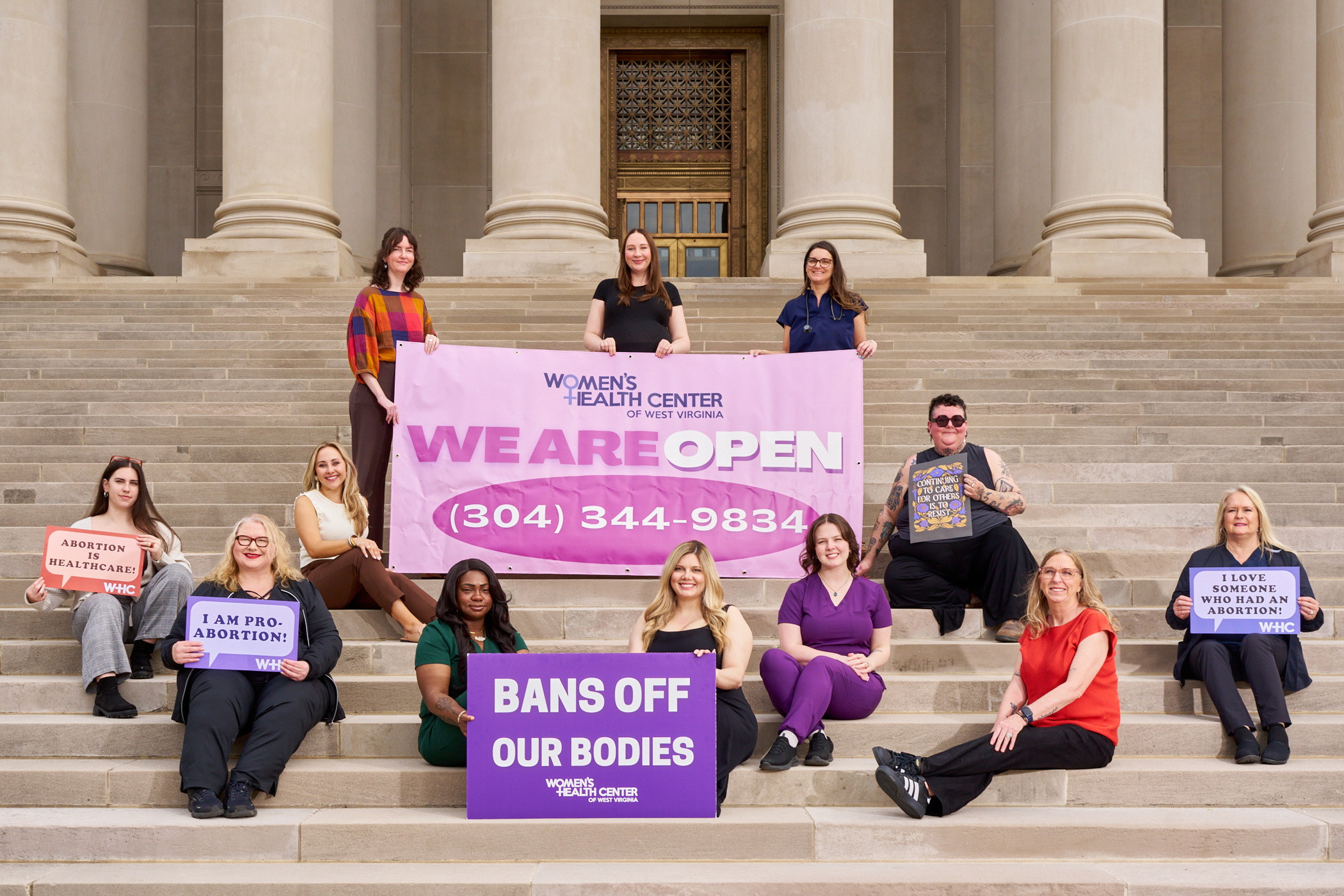
In southwest Alabama, we saw a youth-centered nonprofit continue to provide affirming support, community connection, and mental health resources for LGBTQ+ young people in a region where such services are often scarce.
And earlier this year the entire nation saw Buddhist monks complete their 2,300-mile walk from Texas to Washington, D.C., in the name of peace.
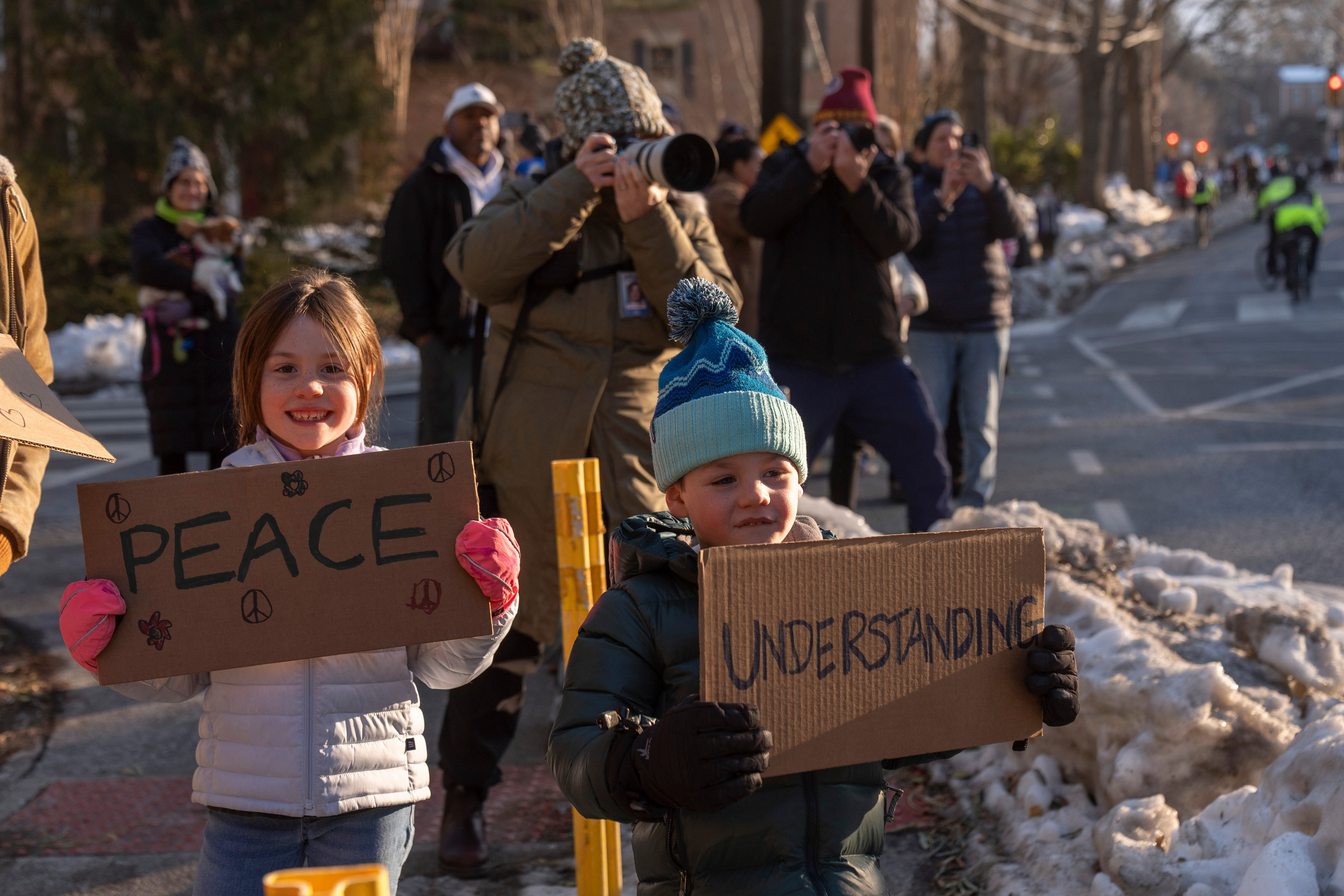
This is America. People pitching in, offering a meal, caring for one another, sharing solidarity.
During the past year, the Courage Project has made grants ranging from $10,000 to $50,000 to grassroots leaders and organizations in all 50 states, Washington, D.C., and Puerto Rico, totaling $2.5 million so far. This funding came not through large institutional grants but through direct, flexible support for people already doing the quiet work of civic repair.
Rebuilding Trust
At a moment when Americans’ trust in major institutions has reached historic lows — with just 22 percent saying they trust the federal government to do the right thing most of the time — initiatives like the Courage Project, Be the People, and other community-rooted efforts offer an antidote. They are rebuilding trust from the ground up by investing in the people and relationships that hold communities together. With many nonprofits struggling to meet rising needs, these grants have offered smaller organizations an immediate lifeline that allows them to respond quickly and continue their critical work.
Our initiative, however, is about more than funding. The premise of the Courage Project is that courage is contagious. Research on recognition and reward programs has shown that elevating examples of civic behavior can help shape cultural norms, influence how communities define leadership, and inspire others to act.
The philanthropic sector is skilled at identifying innovative solutions to society’s greatest challenges and providing the funding to scale those efforts. The Courage Project builds on this foundation. The strength of the initiative is not only in the collaboration among funders but in the deliberate way the project invites public participation in the open nomination process through direct engagement with the communities we hope to spotlight. A public form on the Courage Project’s website, allows anyone to nominate a neighbor or organization demonstrating civic bravery in their community.
The brave Americans we’ve had the chance to honor embody the kind of patriotism and leadership our nation needs now. The consequences of their generosity demonstrate how one small act of courage can provide a lifeline for hundreds, even thousands, of people.
One year in, the clearest lesson of this work is that beneath the division and distrust dominating our politics, there is still a deep reservoir of compassion and shared responsibility taking place across this country. The etymology of the word philanthropy is the love of humanity. Nationwide, everyday people are teaching others what philanthropy means in practice.
At a time when so much attention is focused on polarization and institutional failure, philanthropy and civic leaders would do well to emulate the courage shown by individuals and small organizations across the country, including by supporting them. Their courageous acts may appear small in isolation, but together they form something powerful: a blueprint for the kind of country America can be — one rooted in care for our neighbors and the belief that everyone deserves the chance to thrive.
The Commons is financed in part with philanthropic support from the Arthur M. Blank Family Foundation, Einhorn Collaborative, and the Walton Family Foundation. None of our supporters have any control over or input into story selection, reporting, or editing, and they do not review articles before publication. See more about the Chronicle, the grants, how our foundation-supported journalism works, and our gift-acceptance policy.