As psychedelics near FDA approval, donors rush to fund the next frontier
Individuals and some foundations are pouring millions into research, veteran access, advocacy, and health-system readiness.

By Ben Gose
Senior Editor
September 3, 2026 | Read Time: 13 minutes
Charmaine McGill’s family has distributed more than $100 million from the Effie and Wofford Cain Foundation over 70 years, but nothing has been as meaningful for her as its latest focus: research into how psychedelics can treat mental health conditions such as depression, PTSD, and addiction.
The cause is personal for McGill. She lost both of her sons — first Frank, in 2009, to suicide, and then Parker, in 2018, to a fentanyl overdose. McGill herself took antidepressants for years until she discovered psychedelic therapies.
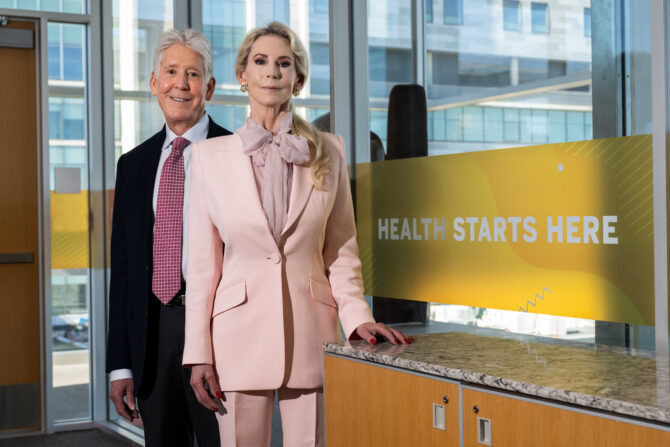
The Cain Foundation was established by a great uncle, Texas oilman Wofford Cain, and was led by her father, Frank Denius, for more than six decades. In 2024, McGill and her husband, Gordon McGill, made a $12.5 million naming gift through the foundation to establish the Center for Psychedelic Research and Therapy. Charmaine McGill says the center, which is housed at Dell Medical School at the University of Texas at Austin, will help build scientific evidence for the therapeutic value of psychedelics. She says those therapies have helped her –— and could have saved her sons.
“I firmly believe that our children, if they had had this opportunity, would be here today and leading healthy lives,” she says.
The McGills are among a growing number of donors supporting the therapeutic use of psychedelics to try to help people with mental health and addiction challenges.
Psychedelics, a defining element of the 1960s, mostly fell out of favor decades ago. But today, they’re getting a financial kickstart. Philanthropists paid for crucial early work at the nonprofit Multidisciplinary Association for Psychedelic Studies and at Johns Hopkins University over the past few decades that showed that therapy coupled with drugs like MDMA and psilocybin can lead to lasting positive change. Meanwhile, Michael Pollan’s 2018 book How to Change Your Mind helped kick off a revival of cultural interest.
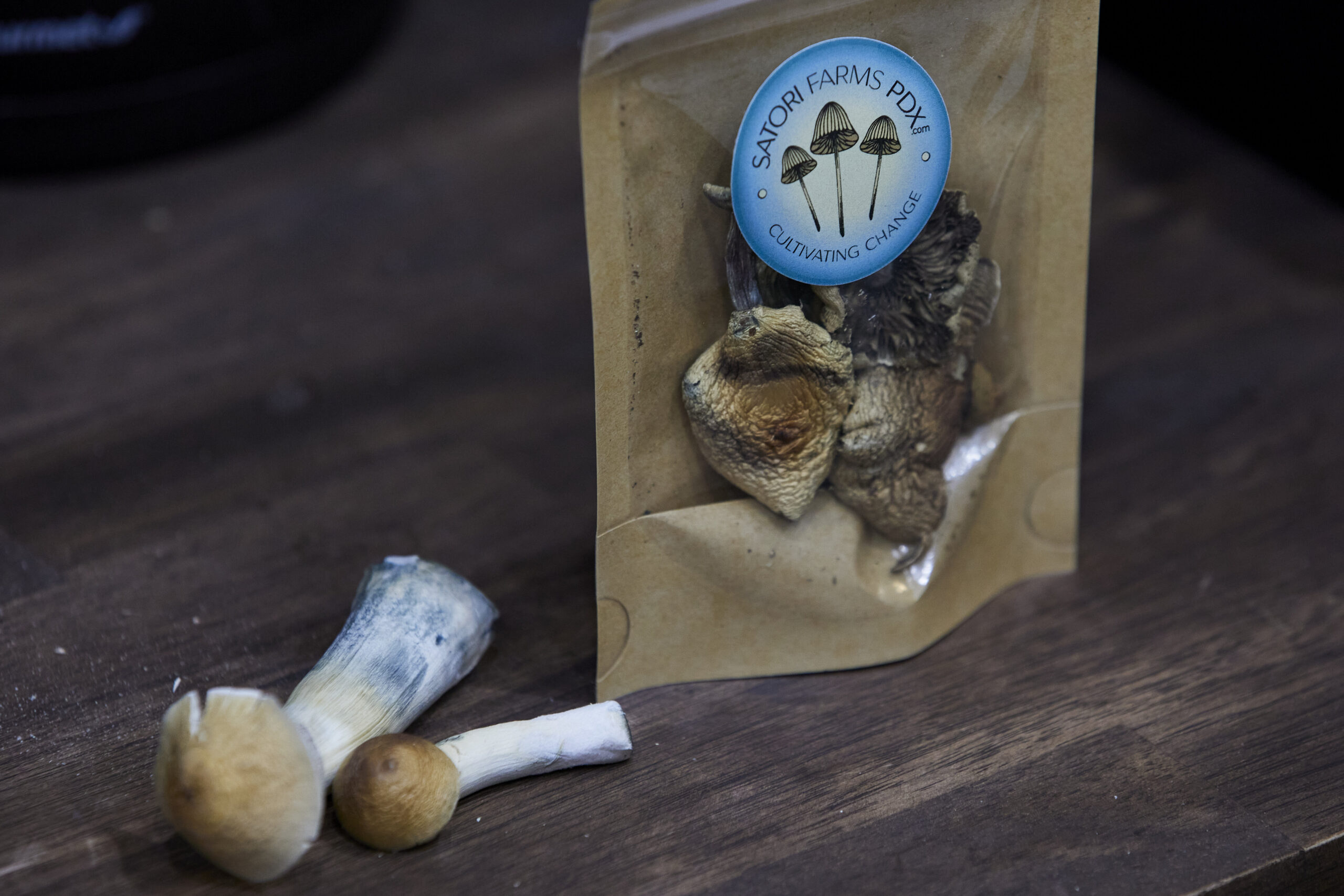
The renewed enthusiasm has sparked investment by other universities, for-profit companies, state governments, and even the Trump administration. Bipartisan support is helping to move the effort ahead. In April, President Trump issued an executive order directing federal agencies to fast-track research and potential medical access to compounds like psilocybin (also known as “magic mushrooms”) and ibogaine, which is derived from a shrub in Africa.
“There’s a recognition that we have a mental health crisis and that much of what we are currently doing is not working for a lot of people,” says Taylor West, executive director of the Healing Advocacy Fund, which helps expand state-regulated access to psychedelic healing. “That’s driving increasing interest in these treatments as a new tool.”
West’s group is working in three states — Colorado, New Mexico, and Oregon — that have approved controlled access to psychedelics. Oregon’s program, which won approval in 2020, has already helped more than 20,000 people go on psilocybin journeys.
So far, most philanthropic support has come from individual donors and small and medium-size grant makers like the Cain Foundation. Among the biggest funders in psychedelic healing are the Steven & Alexandra Cohen Foundation, which has given more than $69 million for research; the soap company executive David Bronner, who helped bankroll a ballot measure in Oregon; the lifestyle guru Tim Ferriss; and the Jurvetson Foundation.
Together, these donors aren’t just etching a road map for the adoption of a once-controversial treatment; they’re demonstrating that philanthropic dollars, when spent strategically, can have an outsize impact on research, policy, and public awareness.
They argue that the need for philanthropy is greater than ever and that the areas in need of support are broadening. Research remains important, but donors are also stepping up in other ways, including:
- Providing funds so that veterans and others can access treatments that can cost $5,000 or more
- Supporting the ongoing roll-out of state-based models
- Identifying what changes medical centers and health-care providers will need to make to accommodate potential FDA-approved psychedelic treatment
- Making sure that the most common method of taking psychedelics — illegally at home — remains as safe as possible
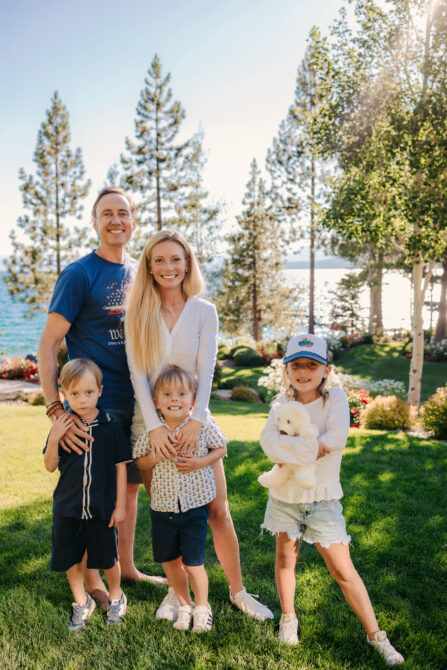
“In my experience, there are four things that together make something a compelling philanthropic initiative,” says Joe Green, a co-founder of the Psychedelic Science Funders Collaborative, whose 100-plus members have poured more than $100 million into psychedelics initiatives over nine years. “First, people want to sign up for something they’re personally connected to. Secondly, they want to feel like there’s some kind of systemic impact. Third, they want to feel like there is a sort of clear, accomplishable path to success. And then, finally, they want to feel like it’s underfunded — that their money is needed. And not a lot of things have all those, but psychedelics did.”
Support for research
Philanthropic support for research is a critical ingredient in getting the government to take action. The Jurvetson Foundation helped pay for a recent study at Stanford University that found ibogaine treatments in Mexico reduced PTSD, anxiety, and depression in veterans suffering from traumatic brain injuries.
“Philanthropically funded research created the evidence base to then go to legislatures across the country and in D.C. and say, ‘They’ve started with a trickle. Let’s go open up the faucet and get things flowing,’” says Logan Davidson, a senior adviser and founding executive director at Texans for Greater Mental Health, which advocates for psychedelic therapies.
Early philanthropic support has also helped “de-risk” therapies — encouraging for-profit investors to enter the mix. Compass Pathways, a company seeking FDA approval for a psilocybin therapy for treatment-resistant depression, draws on early-stage, philanthropically supported academic research conducted over the past 30 years at institutions like the Multidisciplinary Association for Psychedelic Studies and Johns Hopkins. AtaiBeckley, a psychedelics maker being acquired by Eli Lilly for $2.8 billion, has a product pipeline that traces back to the British-based Beckley Foundation, a charitable trust known for pioneering psychedelic research.
Philanthropy will be equally important in finding and testing new applications, says Gaby Poler, the founder of HyphaMed, a fundraising firm that works with several psychedelic and brain health organizations, including the Shulgin Foundation. “I think where we’re going next is women’s health — sexual trauma, postpartum depression, infertility,” says Poler, who helped secure the gift from the McGills in her previous position at UT- Austin.
Other philanthropists say there’s already enough evidence about success using psychedelics to promote neuroplasticity — which alleviates depression and PTSD — that donors should either move on to other areas, like implementation, or support riskier research studies. Genevieve Jurvetson, and her husband, Steve, a venture capitalist, are supporting a Johns Hopkins study exploring whether psilocybin might be able to help stroke victims regain motor control. The couple also plans to support studies into whether psychedelics could treat neurodegenerative diseases like Alzheimer’s and Parkinson’s.
“We will continue to fund research,” Jurvetson says. “But at this point, the bar needs to be really high.”
Advocacy efforts
Many veterans are traveling to Mexico for ibogaine therapy, since ibogaine and most psychedelics remain illegal in this country. Veterans Exploring Treatment Solutions, a nonprofit that pays for more than 300 veterans a year to receive psychedelic therapy, engages those veterans as ambassadors when they get back.
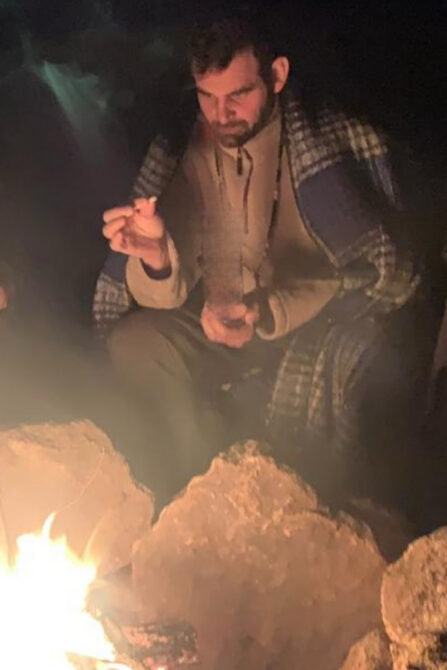
This year, the seven-year-old charity is advocating for policy change in 31 states, says Amber Capone, who co-founded VETS with her husband, Marcus. Marcus Capone is a former Navy Seal whose transformation after taking ibogaine is documented in the Netflix documentary In Waves and War.
“What the advocacy does is give them purpose again,” Amber Capone says. “They’re showing up as ambassadors, reducing the stigma, and getting laws passed that will provide access to these therapies right here in the United States.”
In 2025, VETS played a role in winning $50 million in public research funding in Texas, bringing in veterans who’d gone through ibogaine therapy to meet with 70 legislative offices. The testimony from veterans “creates air cover for the entire industry,” helping conservative lawmakers get past any stereotypes they might have, says Brad Burge, a communications expert who works with VETS and other nonprofits in the psychedelic field.
“We need compelling stories of people who were transformed by psychedelic therapies, and that’s where VETS has come in,” Burge says.
Many newcomers to the cause believe that psychedelics can succeed where other treatments have failed. That belief has produced some surprising political coalitions.
After Brent Bellm’s 16-year-old son, Landon, died of suicide in 2023, he searched for answers. Was there a solution that could have worked for his son? When a colleague sought his advice for her brother — a member of the military who was considering suicide — Bellm suggested psychedelics, which seemed most promising, even though he didn’t know much about them at the time.
“You’re zero for 1,” he remembers thinking. “You’ve got to try to help her.”
The military pulled the man from active duty the next day and enrolled him in psychedelics therapy; two years later, the man’s life had turned around, Bellm says.
Bellm, a tech executive in Austin, became one of the first donors to Americans for Ibogaine — and co-hosted a fundraising event for the group in Aspen, Colo. A libertarian who opposes marijuana legalization, Bellm has given about $250,000 to psychedelic healing. Along with former Texas governor Rick Perry, he is part of an improbable team of Texans pushing psychedelics ahead.
“When I came into [the Psychedelic Science Funders Collaborative], everybody was just like, what the hell happened?” Bellm says. “We’ve spent decades of our lives in psychedelics, and all of a sudden, the biggest-ever grant donation comes from, of all places, Texas, led by a self-described ‘knuckle-dragging, right-wing Republican.’”
The bipartisan appeal of psychedelic therapies means a little money for advocacy can go a long way. Davidson, of Texans for Greater Mental Health, estimates his group, VETS, and others spent a little more than $300,000 advocating for the Texas legislation that led to $50 million in psychedelic research within the state. And that’s just part of the payoff.
“The executive order that the president signed directed another $50 million in funding to go into research,” Davidson says.“The dollars that were spent in Texas knocked over the dominoes that got you there.”
Infrastructure and implementation
Many advocates believe the FDA may approve both MDMA and psilocybin for medical treatment in the next 18 months, due to the Trump administration’s support and an expedited review process. But if that happens, a period of confusion is likely to follow.
Questions abound for the nation’s medical centers and health-care work force: Should veterans and civilians get the same care? Should the experiences be accompanied by individual or group therapy? Will insurance cover the treatments? What new physical spaces will doctors and other health providers need so that patients can go on hourslong psychedelic journeys?
“We’re not ready,” Davidson says.
Several organizations are helping to lay the groundwork. The Office of Systems Catalyst is a project of the 1440 Foundation that connects philanthropists to charities helping to integrate psychedelic-assisted care into the U.S. health-care system. One focus is making sure that the treatments will be available to people in low-income and rural areas and that patients on Medicaid and Medicare will have access to treatments.
“Philanthropists interested in this field are sometimes overwhelmed by the amount of information and opportunities,” says Jojo Maislin, who oversees the Office of Systems Catalyst. “What we’re doing is matching people to the projects that align with what they’re most interested in.”
Another focus is making sure health practitioners and educators are ready for psychedelic healing. The Psychedelic Education Partnership is educating university instructors as well as nurses and other health-care providers.
The founder, Sandy Samberg, started the effort after a close family member, suffering from depression following a terminal cancer diagnosis, responded positively to two psilocybin sessions in 2019. Samberg, a nurse by training, thought that nurses were being overlooked for the role they could play. Nurses are used to staying with patients for extended periods — and can ensure that a patient stays safe during a long psychedelic experience.
“Psychiatrists are used to seeing a patient for 15 minutes, giving them a prescription, and then going on their merry way,” Samberg says. “Does a psychiatrist even want to be in a room for six to eight hours with a patient?”
The partnership’s academic program was piloted at the University of Pennsylvania and Columbia University. It now includes faculty fellows from 70 universities in 35 states who work in six fields — nursing, social work, medicine, psychology, counseling, and public health. Another division of the charity tries to reach practicing nurses and doctors through presentations at hospitals and conferences. The educational efforts have raised a total of $3.7 million since 2022, with the Cohen Foundation and Samberg and her husband, Joe, among the largest donors.
“Approval is a very important milestone,” Samberg says, “but implementation is an entirely different challenge.”
Public education
The excitement about psychedelic healing is leading to calls for new public awareness campaigns. Today, too few people know about the healing potential for psychedelics, Davidson says. Philanthropy could help deliver a simple message. “If antidepressants didn’t work for you, here’s a new treatment that is available,” Davidson says.
Some advocates believe warning about the risks of psychedelics is most important. Since safety standards for psychedelic treatment are still evolving, the risks for patients are high — a recent New York Times article documented deaths and sexual assaults at Mexico clinics.
And the hype about psychedelic therapies is increasing unregulated use — often by young people who may not know how to carry out the experiences safely.
William Nash died in 2020 after experiencing a crisis while taking psilocybin with college friends. His friends didn’t know how to respond to his distress, and neither did the campus responders, says his mother, Kristin Nash.
She established the William G. Nash Foundation to advocate for psychedelic safety. A 2025 paper by Nash and 29 co-authors proposes that drug companies and leading psychedelic philanthropists consider setting aside 1 percent of their spending for research and education on safety.
“People just need to know the risks,” Nash says. “These are very powerful substances, and things can unexpectedly get really intense.”
Are mainstream foundations next?
With ample avenues for investment, the burning question for advocates of psychedelic healing is, When will traditional funders move into the field?
Many of today’s donors became interested in psychedelics due to tragedies or suffering involving family members — and a belief that psychedelic therapy would have made a difference. Mainstream foundations are far less likely to be driven by emotion. They’re waiting patiently — too patiently, some believe — for a stamp of approval before they start backing the needed work on advocacy, access, public awareness, and implementation.
“The closer we get to an FDA approval for psilocybin or for MDMA, the more comfortable philanthropists will feel putting their name on things,” Burge says.
The delay can be frustrating for charities. VETS recently sought support from a “well-known foundation that claims to be pro-veteran,” Capone says, but the group’s application was declined. A foundation official told her they were waiting for results of a psychedelics study at Emory University.
Capone says she sometimes feels like VETS is among a small group on a dance floor. Many more are circling, she says, trying to decide when to join the party.
“When they do,” Capone says, “I feel like it’s going be a mob rush.”
Reporting for this article was underwritten by a Lilly Endowment grant to enhance public understanding of philanthropy. The Chronicle is solely responsible for the content. See more about the Chronicle, the grant, how our foundation-supported journalism works, and our gift-acceptance policy.