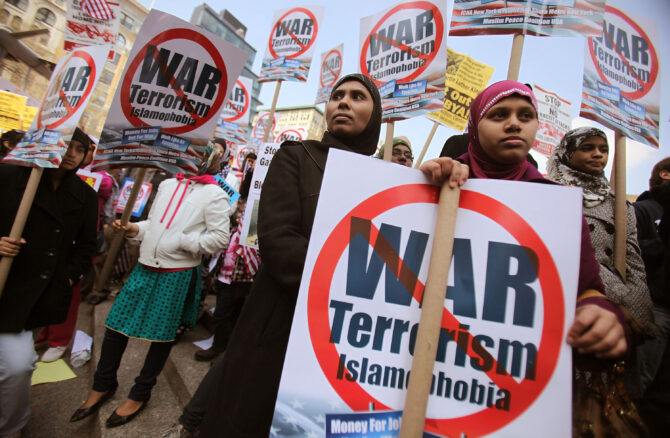
Why war metaphors turn off donors and hurt your cause
Nonprofit leaders reach for 'fight' to signal urgency. For some supporters, it signals threat instead.

By Brian Gralnick
Contributor
August 25, 2026 | Read Time: 5 minutes
- Calls to "fight" have surged in recent decades, with measurable consequences for how Americans engage in civic and advocacy efforts.
- For supporters who have experienced violence firsthand, aggressive language can trigger stress responses that shape whether they engage at all.
- Advocates can convey urgency and determination without defaulting to the language of combat — and the alternatives may broaden participation.
Last month, U.S. House Speaker Mike Johnson held a press conference equating Democrats to communists. “The barbarians are inside the gate,” he warned. “We’re fighting right now in Congress over whether we’re going to maintain our status as a constitutional republic or… go down this dark road of death to communism.”
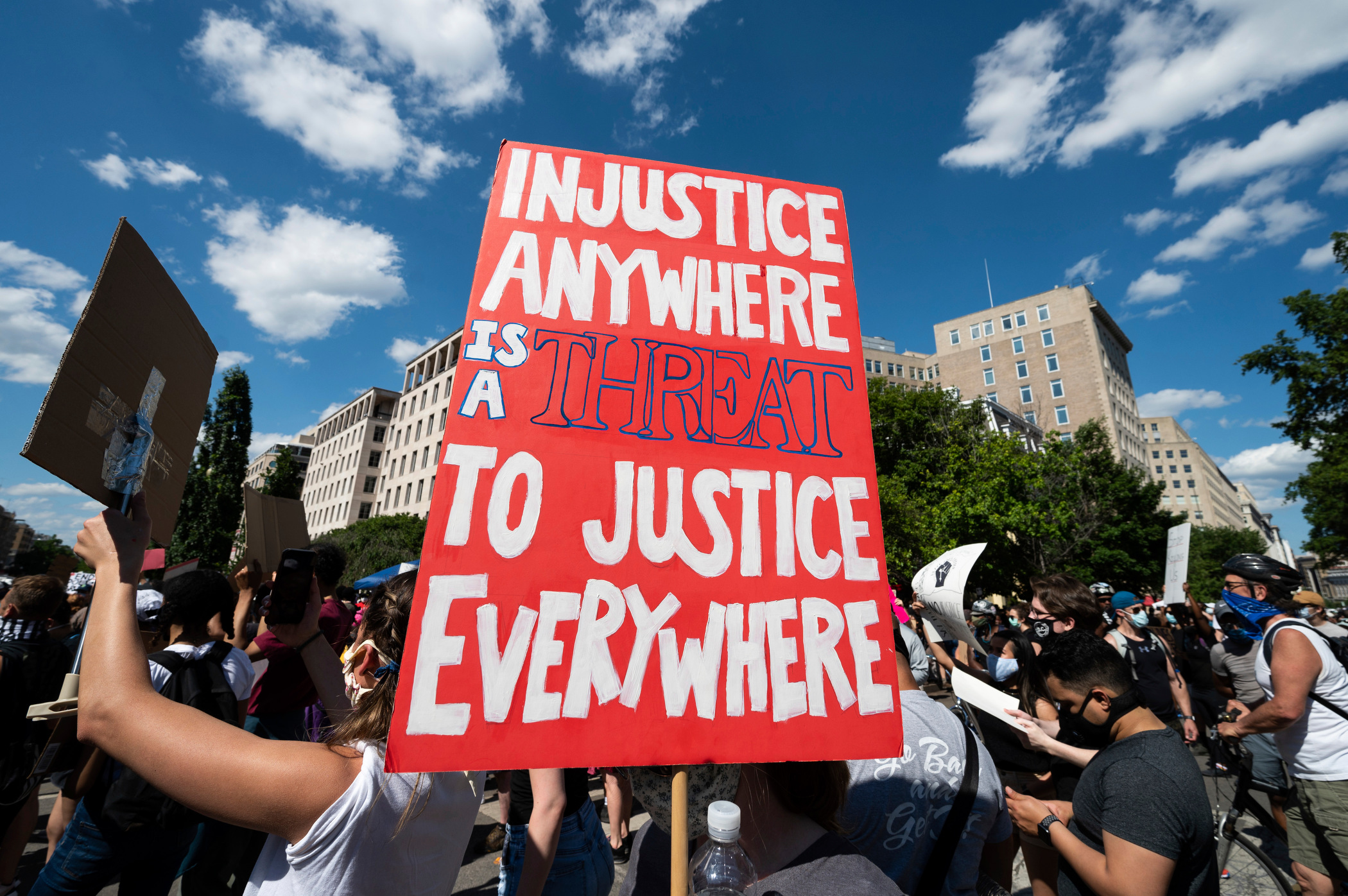
Earlier this year, U.S. House Minority Leader Hakeem Jeffries described redistricting battles as “maximum warfare”— sticking to the phrase despite rebukes from conservatives that it could stoke violence.
Together, these remarks reflect a broader pattern in American politics and advocacy. Such rhetoric can rally supporters and signal urgency, but it can also deepen polarization and alienate people whose lives have been shaped by real violence, conflict, and trauma.
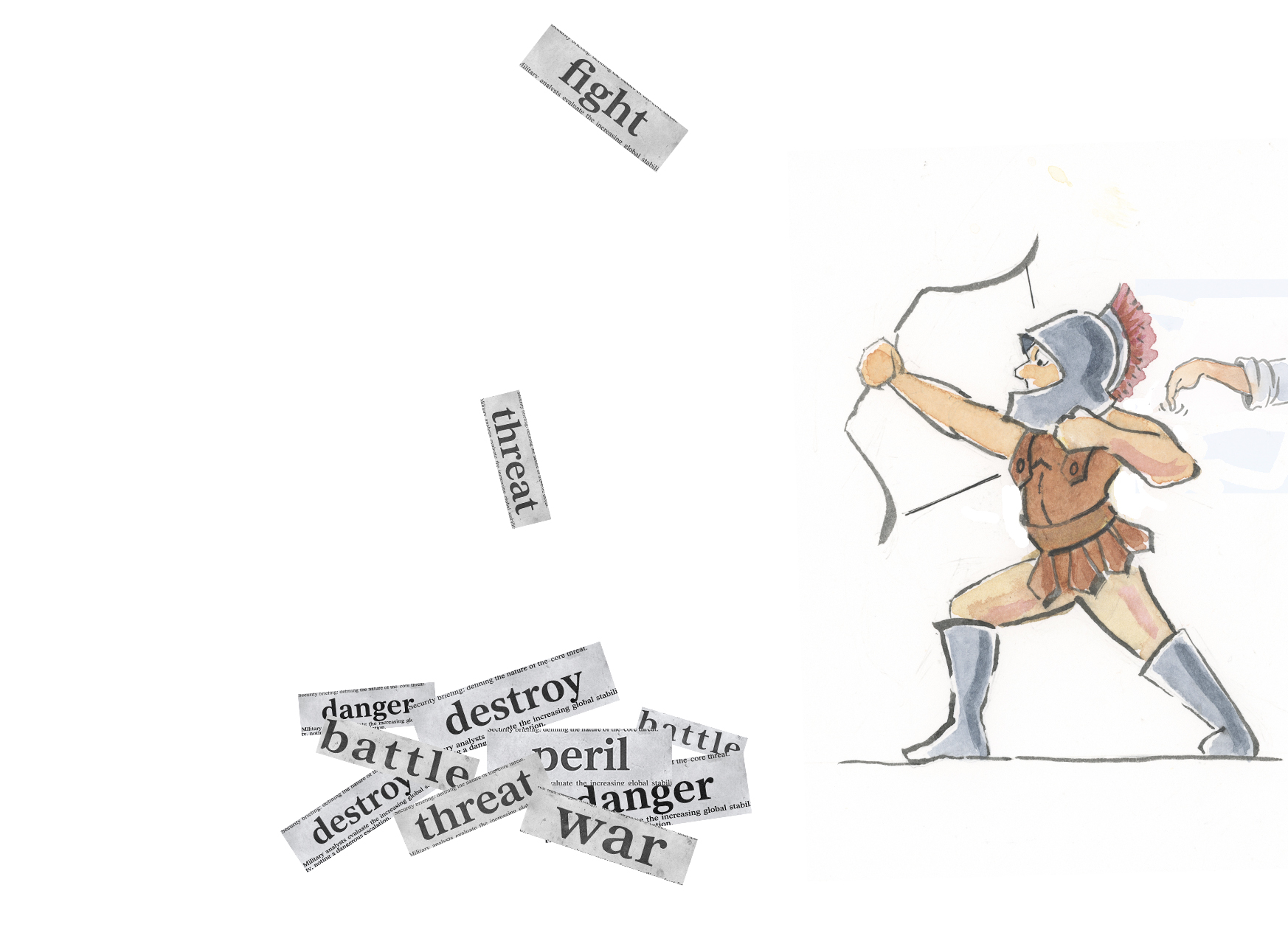
Americans are constantly told to “fight” for their rights, their values, and their future. The language appears everywhere: advocacy emails, fundraising appeals, and speeches across the political spectrum.
Having run for state senate in Pennsylvania and led statewide, national, and international advocacy campaigns, I understand the strategic appeal of that language. But what if it is not just metaphorical? Beyond intensifying partisan conflict, it may also carry unintended consequences — particularly for people whose lives have been affected by violence.
When advocacy is framed as warfare, compromise can start to feel like surrender and opponents can begin to look like enemies rather than neighbors. If political engagement is consistently cast as a battle, it shouldn’t surprise anyone when some people begin to approach it that way.
A startling shift
Political violence certainly isn’t new, but recent surveys show that more Americans believe that extreme political rhetoric contributes to it.
This shift is visible in language usage over time. Although comparisons across eras need to account for differences in overall communication volume, the rhetoric has increased disproportionately over recent decades. Data from the American Presidency Project at the University of California, Santa Barbara shows that between presidents John Adams and Jimmy Carter, the word “fight” appeared roughly2,300 times in presidential communications. From Ronald Reagan through Joe Biden, it appeared more than 8,000 times — nearly four times as often over a significantly shorter time frame.
Google Book’s Ngram Viewer, which tracks how often words appear in its database of digitalized books, suggests that usage of the word “fight” began rising sharply in the mid-1990s after a long period of relative stability.
Another, less discussed consequence of this language is its potential effect on people who have experienced trauma. Clinicians and researchers have documented how trauma can shape the way individuals process threat, memory, and stress. Traumatic experiences are not always stored as coherent narratives but can also be encoded through sensory and emotional pathways that are more easily reactivated by reminders.
For some individuals with trauma histories, exposure to aggressive or threatening language can be associated with heightened physiological responses such as anxiety, muscle tension, or elevated heart rate, even without a clear conscious link to the original source of distress. These responses are not universal. But for those who experience them, they can influence how — and whether — they engage with the world around them.
In a political and advocacy environment saturated with calls to “fight,” that difference matters. For some people, such language is motivating. But for others, particularly those who have experienced violence directly, it may register differently. Instead of energizing participation, it can create distance or withdrawal.
In my work with groups such as Holocaust survivors, Ukrainian children fleeing war, Haitians displaced by earthquakes and gangs, and those affected by domestic violence, I’ve seen how environmental cues, including tone and language, shape people’s sense of safety and willingness to engage. Trauma-informed approaches emphasize predictability and the reduction of unnecessary stressors.
Leaders of political and nonprofit advocacy campaigns need to recognize that they operate in a shared public space that includes people with these types of experiences. That doesn’t mean that passionate advocacy should be muted. Democracy depends on debate. But there is a meaningful difference between language that conveys urgency and language that frames civic life as perpetual combat.
When every policy debate is a “fight,” then every concession risks being seen as defeat. If every opponent is cast as an adversary to be overcome, mutual understanding becomes less valuable. Over time, this framing can narrow the space for cooperation and reinforce the polarization many Americans say they want to reduce.
Action without violence
Advocates can still inspire action without defaulting to martial metaphors. These changes may seem small, but language shapes culture over time. Rather than asking people to fight for or against a cause, organizations can encourage supporters to advocate for, champion, or work toward the change they seek. These alternatives convey purpose and determination without relying on the language of conflict and violence.
This isn’t about policing speech. Rather it’s a plea to be more intentional about the language we use — to recognize that words help structure the environment in which democratic participation takes place. In a diverse community, that environment should be as accessible as possible.
Responsible leaders and organizations should place the civic good above rhetorical escalation and attention-seeking. Instead of routinely embracing fighting words, advocates should rely more on the language of democracy — language that persuades without threatening and mobilizes without harm.
This approach is both more effective and has the added benefit of honoring survivors of violence who deserve a political culture that does not require reliving trauma in order to participate in civic life. Advocacy and democracy do not require us to “fight.” They require us to speak in ways that make participation possible.