January 14, 2020 | Read Time: 6 minutes
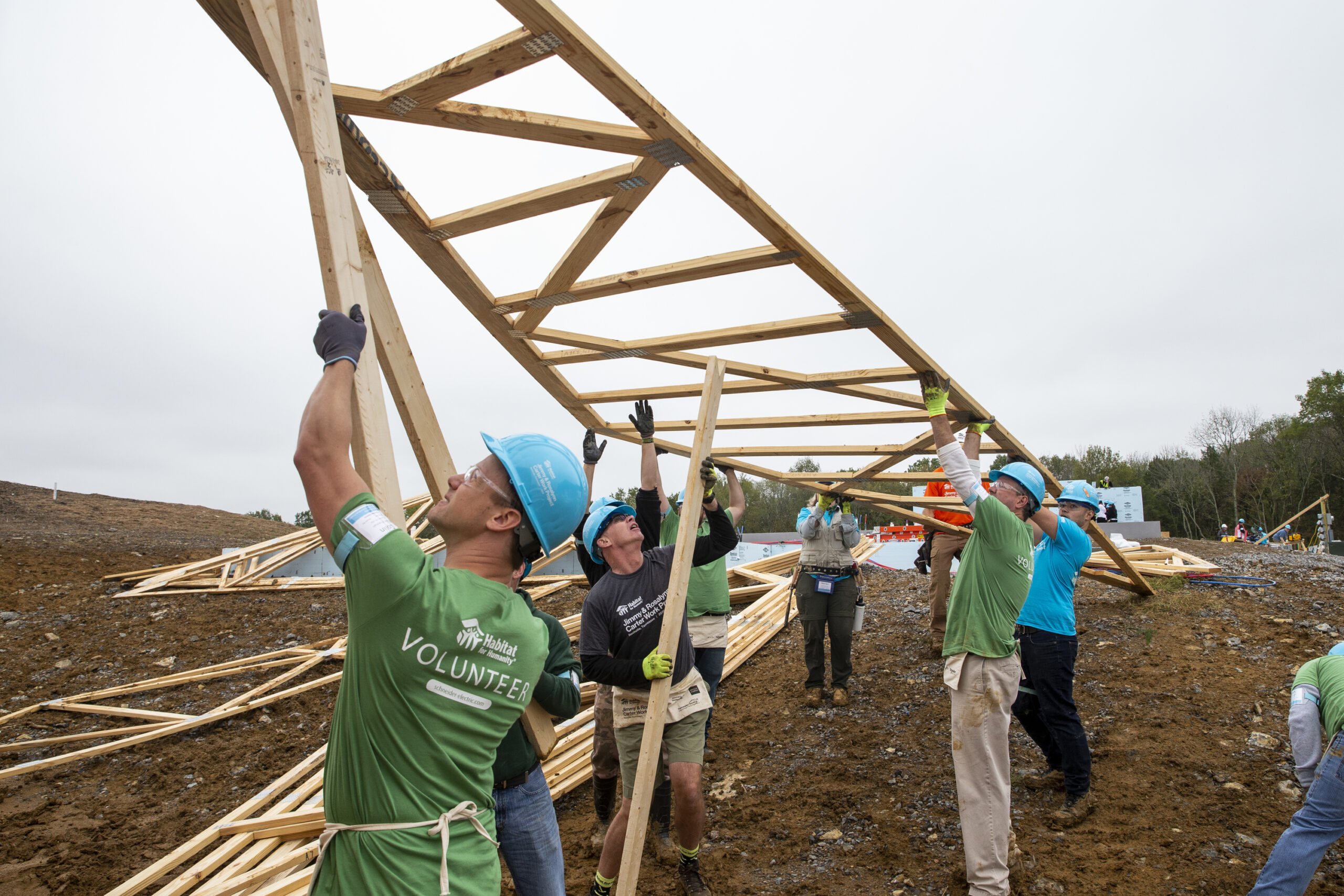
It’s commonly known that people who give their time to support a cause are more likely to make a charitable gift than those who don’t volunteer. In fact, research shows that nearly 80 percent of Americans who volunteer at a nonprofit give money, too, compared with 40 percent of those who don’t.
Yet many organizations still think of volunteers as separate from donors, not as people interested in supporting the mission in whatever way they can, says Kelly Moran, executive director at the American Cancer Society in Colorado. “If someone wants to be involved with an organization, they want to bring their whole selves to the table,” she says. “And that often means giving of time and money.”
You don’t need to create special fundraising campaigns for your volunteers, Moran says. Instead, include them in all the outreach you’re doing throughout the year.
If someone wants to be involved with an organization, they want to bring their whole selves to the table.
But you should show them that you know — and appreciate — that they already contribute their time, says Liesl Slabaugh, development and marketing director at the Port Townsend Marine Science Center, an environmental education nonprofit in Washington State. For example, when sending a fundraising appeal to volunteers, the center adds a note at the top with language such as, “Thank you for your service” or “‘Because you volunteer, you know the mission so well’ or ‘You know how important this is.’ ”
Giving money should be viewed as another opportunity for your volunteers, Slabaugh says. “They were drawn to the organization to volunteer, and they can be equally drawn to making a donation,” she says. “It’s on the same par, and it’s not like an afterthought.”
Here are more tips from a variety of nonprofit executives, fundraisers, and experts to help you make the most of your volunteers and turn them into donors.
Foster a culture of philanthropy at the outset.
Don’t wait to talk with your volunteers about donations, Slabaugh says. Help them understand that your organization depends on gifts to advance its mission — and that that’s a “joyful” thing, she says. “It means that we’re connecting and engaging with that many people every year such that they’re inspired enough to give.”
Slabaugh starts this conversation during the Marine Science Center’s volunteer orientation. She explains that around half of the nonprofit’s revenue comes from individual gifts, including from volunteers. “And that’s presented as an opportunity to do exactly what they’re doing by volunteering, which is living their values and putting what they care about into action,” Slabaugh says.
Build a relationship with your volunteers.
Once you explain to them that they can also support your group as a donor, focus on getting them more involved, says Faiza Venzant, general manager of volunteer development at the YMCA of Greater Toronto. “As their connection with your organization becomes more meaningful and they can start to speak about the impact, use that as a way to then invite them to donate,” she says.
For example, Venzant suggests using language like, “Your time is priceless, but if you want to deepen your relationship, you could consider becoming a donor as well.”
Treat all volunteers like donors because you never know which ones could make a significant gift.
Some wealthy donors use volunteering as a way to learn more about, and decide whether to support, a charity, says Beth Steinhorn, president of VQ Volunteer Strategies, a firm that advises organizations on volunteer engagement.
Other volunteers may not give money during their lifetimes but may plan to include a nonprofit in their will, Slabaugh says. “And those, of course, are some of the most meaningful gifts.”
Slabaugh encourages people in her organization’s network to tell her if they intend to make a planned gift, but many choose to keep this information private. That’s why it’s important to include volunteers in your outreach efforts, she says. “It’s much more likely that one of those volunteers will be a planned giver than other people in your database because they’re the most connected, they’re in the most inner circle, and they feel the most like family.”
Provide the best volunteer experience possible.
Because they are so closely involved in an organization, volunteers can sometimes see “negative sides,” Slabaugh says. If they run into any issues in your volunteer program, such as poor supervision, insufficient training, or a conflict with a staff member, do your best to resolve it, she says.
To ensure its volunteers have a positive experience, the Marine Science Center has a dedicated volunteer coordinator and a strong training program, Slabaugh says. It also holds a celebratory dinner twice a year to recognize and thank those who give their time to the organization.
In addition, the center tries to customize its volunteer experience. For example, the volunteer coordinator lets Slabaugh know if she identifies a new volunteer who has a fundraising background or the leadership skills to be a potential board member. “We work to quickly engage them in that so they’re being recognized for what they bring, not just fitting them in a slot in our volunteer program,” Slabaugh says.
This personalized approach also helps turn people into donors more quickly, she adds, especially those with the capacity to make large gifts.
Keep track of volunteers’ involvement and giving.
Label in your database donors who are volunteers, Slabaugh says. And include details about how they are involved in your organization so you can send targeted appeals that will be more likely to elicit a response.
Ideally, your donor database and your volunteer database should be “relational,” Steinhorn says. This makes it easier to keep track of which volunteers have already made a gift. “If you don’t know who you’re asking, that could really backfire,” she says.
When in doubt, ask for a gift.
Even if you don’t know whether a volunteer is able to contribute to a fundraising campaign, you should give them the option, Venzant says. “It’s a sign of respect for that individual all around when you’re not making assumptions about their ability to give.”But if someone has indicated to you that she or he can’t — or doesn’t want to — make a donation, then respect that, Moran says.
Encourage volunteers to share their stories.
Enlisting them to help inspire others to give can be a “powerful” tactic, Venzant says. For example, you could feature a volunteer who became a donor in your email newsletter or invite her to speak at an event such as a gala. “It says a lot when a person is a volunteer and a donor,” she says.
Nurture volunteers who become donors — and ask them to give again.
Volunteers should be one of the easiest groups to raise money from, Slabaugh says, because you don’t have to find ways to show them the impact of giving. “They’re already there day to day and seeing it,” she says. “But the trick is to remember to ask again.” It’s better to ask too many — rather than too few — times, she says. Your results will tell you if you need to pull back or change your approach.
Lisa Schohl helps produce the Chronicle’s webinars and writes and edits online resources, how-to articles to help nonprofit professionals do their jobs well. She recently wrote about how to strengthen a proposal budget. Email Lisa or follow her on Twitter.