From Boomers to Gen Z: Tuning Your Pitch to Every Age
Colleges are ditching the one-size-fits-all appeal.

By Rasheeda Childress
Senior Editor, Fundraising
June 10, 2026 | Read Time: 6 minutes
The comedian John Mulaney has a funny bit where he complains his alma mater had the audacity to send him a letter asking him to donate after he paid $120,000 to attend as a student. He wonders what happened to all that money. “What kind of a cokehead relative is my college?” he asks to much laughter.
The bit captures the ethos of graduates younger than 45 who don’t give to their alma maters based on assumed trust in the institution, says Howard Heevner, co-author of the National Alumni Survey, which offers insights into alumni experiences with their universities, their giving to them, and their support of other nonprofits.
Heevner and other campus fundraisers have learned that tailoring fundraising messages to donors in each generation can produce better results.
Heather Kopec, executive director of annual giving at Rice University, segments donors by generation and sends each age group different appeals. “I can’t treat a baby boomer and a silent generation the same way I’m treating Gen Z and young millennials,” she says. “They just need different things,”
For those over 45, Heevner says, trust is granted because they earned their degree at the institution. “Whereas [for] the under 45 population, trust has to be earned. We are still living in an assumed-trust structure when the population has changed,” he says.
The Chronicle spoke to college fundraisers about how they are broadening their donor base and reaching more students and alumni. Here’s how they’re targeting different generations in their outreach.
Gen Z and Millennials
Based on the findings of the alumni survey as well as his experience as executive director of annual programs at the University of California at Berkeley, Heevner notes that Gen Z and millennial donors don’t respond well to donation requests if they don’t clearly understand the impact a gift will have. This means that general annual fund appeals or requests for general support often don’t resonate.
When fundraisers move away from appeals centered on the institution and focus on students or their impact on the larger world, Heevner says, colleges and universities see greater giving. It’s a nuanced change, but it produces good results for the UC Berkeley, Heevner says.
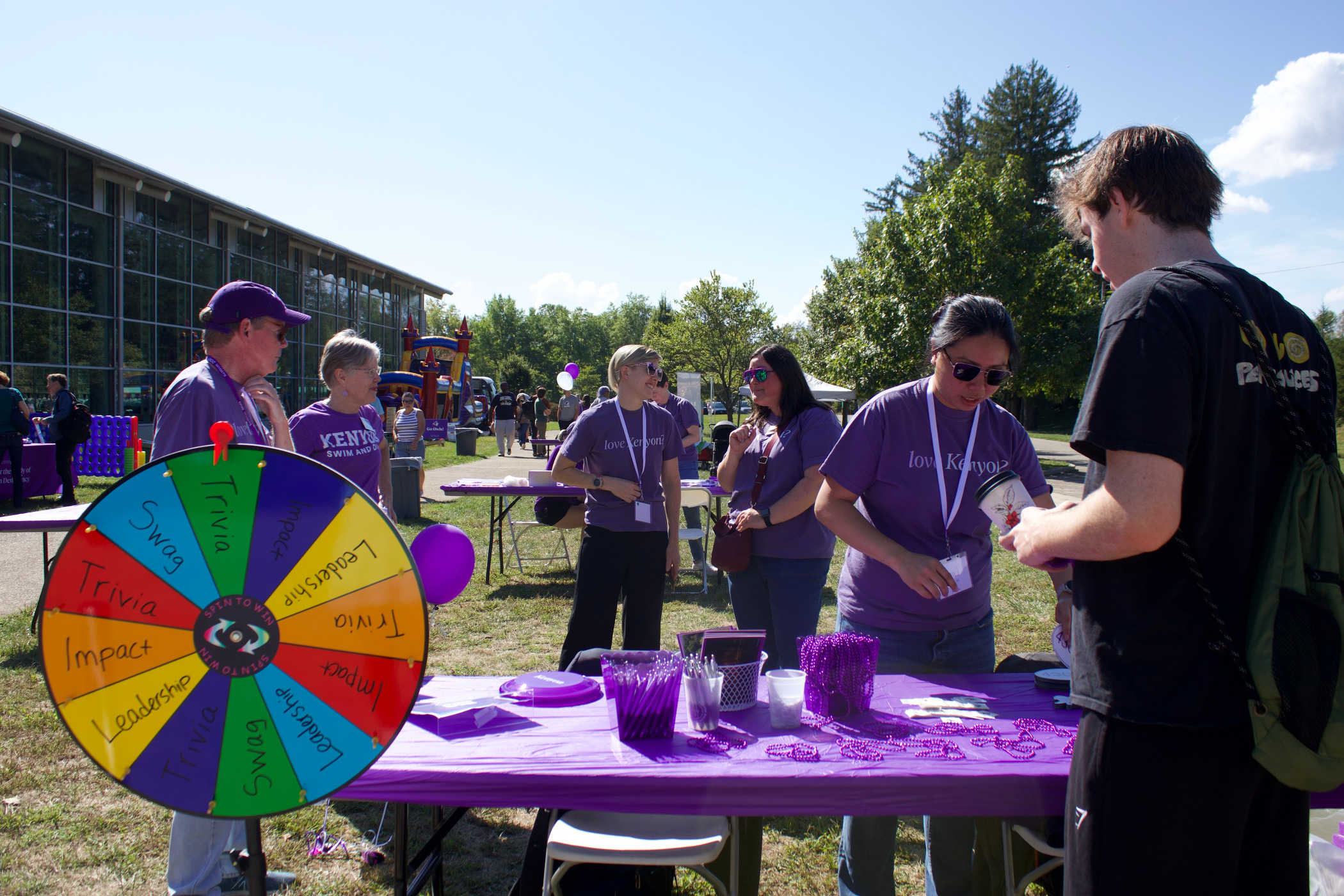
One reason the Mulaney joke hits so well is because it taps into frustration about the high cost of higher education. That’s why colleges must make the case for what a young donor’s gift can accomplish, says Molly Gutridge, director of annual giving at Kenyon College. Fundraisers need to show donors that despite tuition being expensive or endowments being large, “it’s important to give back, and here are the reasons,” Gutridge says. Kenyon has had success with this approach, which it adopted post-pandemic, she says. Giving back to Kenyon doesn’t just mean money, Gutridge adds. The college encourages alumni to volunteer and mentor as well.
United World Colleges, an international coalition of 18 schools and colleges on four continents, has started asking young alumni to sign a pledge at graduation, says Delphine Poschmann, director of development and funded programs. “When students graduate from our schools, they sign the pledge to give time, treasure, or talent,” she says. “Our message is that we value engagement.”
Research shows that Gen Z donors are generous, but nonprofits must meet them where they are, using the same technology, says Shannon Spencer, vice president for university advancement at Ohio Northern University. Ohio Northern includes digital wallets on its donation pages and QR codes at events, and the university accepts all common payment forms to make giving as convenient as possible.
Spencer finds that young donors are more likely to sign up for monthly giving than older donors. “I think of them as the subscription generation,” Spencer says. “They’re used to paying these small amounts of money for almost everything they do, so we make sure we’re also offering a way to do that by subscription.”
The Maverick Gen Xers
Generation X, often known as the forgotten generation, lives in this “weird middle place,” Heevner says.
Kopec, at Rice University, has seen Gen Z tactics work well with Gen X . “We’re starting to see [among Gen Xers] a lot of interest in strategies that we’re doing with younger millennials and Gen Z. The Gen Xers are loving college because their kids are here.”
But some Gen Xers are also giving from donor-advised funds and writing checks like boomers, Kopec says. With Gen X, it’s about trying a variety of things and leaning into the response.
“You can do a lot of innovative things because they aren’t subscribing to what philanthropy was doing 10 and 15 years ago,” Kopec says. “We’re leaning into digital first,” and paying attention to which communication channel they engage with, and which giving vehicles they use. Paying attention to their behavior helps us set strategy, she adds.
Boomers and Older
For boomer and silent generation donors, the tactics that have tended to work well for years are still working, say Heevner and Kopec.
Those donors still place a great deal of trust in the institution and have a lot of nostalgia. They want to be reached in the ways they’ve always been reached, things like direct mail.
“As much as professionals love to hate on direct mail or question the cost, our baby boomers and our silent generation cohorts will give to me every time I send them something in the mail, whether they write a check, queue a donor advised fund, or give online,” Kopec says. She notes that they don’t like change. “If we suddenly try to make them digital first, or we decide we’re not sending them a mail piece, we’re not getting the revenue.”
Pearson College UWC in British Columbia, Canada, finds that donors in later generations respond well to requests to support the endowment, says Jayne Hammond, director of advancement and external relations. “They understand more deeply the financial model of the college. They’re starting to think about their legacy and how they can ensure stability for the institution.”
Crossover Behaviors Will Occur
It’s also important to remember that generational preferences are just guidelines, and there will always be crossover behaviors
For example, Gen Z likes digital, but Kopec sometimes sends them print pieces.
“They’re not going to write us a check,” she says. “But that mail piece … could stand out because their email box is very full.”
Mike Falder, vice president for university advancement at Taylor University, spearheaded a campaign to build a new chapel to replace one that is key to campus life. The campaign has resonated with multiple generations because it is so meaningful to most alumni.
“Our chapel program is a really important part of who we are as an institution and what students love about us,” Falder says.
When people visit campus, they can see the fence surrounding the site of the new chapel festooned with quotes from alumni about what the chapel means to them. The signs include QR codes that link to video testimonials about the chapel and more details about the project.
The opportunity to support a new chapel that fits the whole student body has resonated with alumni in all stages of life, Falder says. “Because it’s compelling and it’s accessible, that may be the secret sauce,” Falder says.